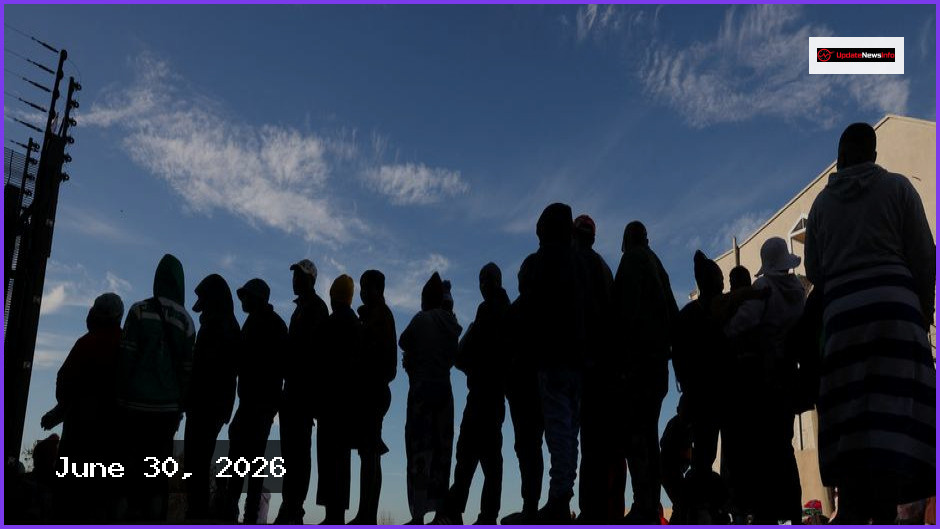
Anti-immigrant groups have designated June 30 as an unofficial deadline for all undocumented migrants to depart from South Africa, leading the country to brace for potential violence. In response to the planned anti-immigrant rallies, authorities have deployed a large number of security forces across the nation. While thousands of African migrants have already opted to leave or have been repatriated, those remaining face mounting pressure as anti-migrant rhetoric intensifies.
Citizen-led organizations have reinforced this unofficial June 30 deadline following several weeks of unrest, which have included targeted attacks on businesses owned by migrants. South Africa, which serves as one of the largest economies in Africa with a population of approximately 65.5 million, has long been a destination for migrants seeking employment. Current estimates indicate that there are between 2.4 and 3.1 million foreign-born residents currently living in the country.
However, South Africa continues to struggle with one of the world’s highest unemployment rates, with nearly a third of the population currently out of work. This economic strain and deep-seated inequality have fueled public anger, with certain activists blaming migrants for rising crime rates and the strain on public services. Rights groups have cautioned that such narratives significantly heighten tensions. A poll conducted last year by the Human Sciences Research Council reflected this growing hostility, finding that only one in six adults would welcome all foreigners, while 42% expressed that they would welcome none, an increase from one-third of the population in 2021.
Demonstrations are scheduled in major cities throughout the country today, with the primary march organized in Durban, located in KwaZulu-Natal province. The main group behind the protests, known as March and March, has explicitly stated that it is not calling for violence. Despite these claims, the atmosphere remains highly volatile. In the period leading up to the June 30 deadline, three people were killed during anti-immigration protests, specifically one Malawian national and two Mozambican nationals.
Reports have also emerged of self-styled vigilantes intimidating migrant parents and children at schools, with some migrants even being obstructed from accessing medical care at hospitals. The South African government has issued a condemnation of these violent incidents and has sought to distance itself from the deadline imposed by these groups. Nevertheless, the administration has faced ongoing criticism from civil society organizations and other African nations for its perceived failure to adequately halt the violence. In light of these conditions, countries such as Nigeria, Ghana, and Malawi have assisted in the repatriation of their citizens who no longer feel that South Africa is a safe environment for them.