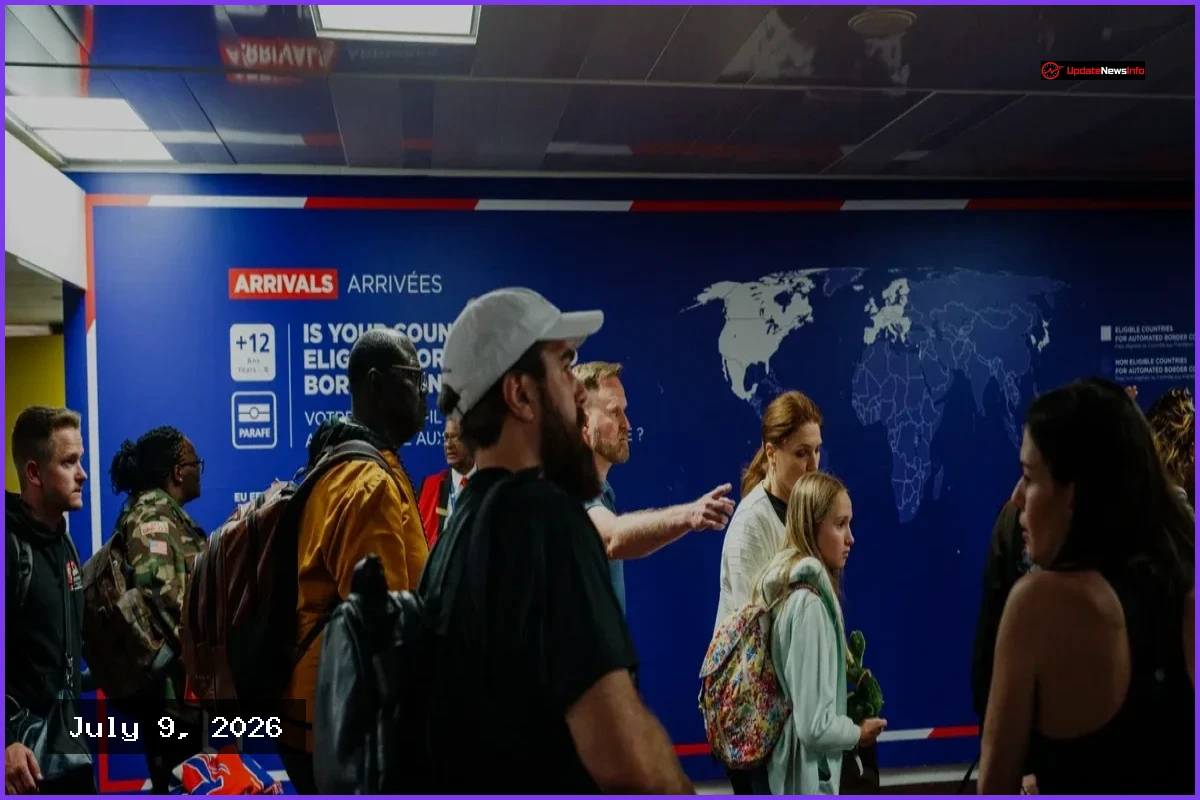
The European Union is reportedly planning to postpone the introduction of its European Travel Information and Authorisation System (ETIAS) until 2027. This decision follows significant technical and operational difficulties encountered during the rollout of the separate Entry/Exit System (EES) biometric border checks, which have caused disruption at border crossings.
ETIAS is designed to require visa-exempt travelers—including those from the UK, US, Canada, Australia, and most of Latin America—to complete an online form providing passport, personal, and security details. The process involves a €20 fee, and once granted, the authorization remains valid for up to three years, covering multiple trips. Similar to the US ESTA and UK ETA systems, the ETIAS will be linked directly to the traveler’s passport.
While the ETIAS website currently lists a launch window in the final quarter of 2026, the Financial Times reported that a 2026 start is no longer feasible. Officials are expected to meet in September to finalize a new timeline, with early 2027 currently under consideration. Neither the European Commission nor the agency responsible for ETIAS implementation has officially commented on these reports.
The push for a delay stems from a desire to resolve persistent technical issues within the EES framework before introducing additional layers of travel authorization. EU home affairs commissioner Magnus Brunner recently noted in a letter to airlines that many border crossing problems were caused by infrastructure and staffing shortages rather than the EES system itself, though the EU Commission has maintained that the system is functional despite its flaws.
Once the ETIAS system is fully operational, it is estimated that approximately 1.4 billion visa-exempt visitors will be required to register. Even after ETIAS operations do finally start, a transition period of at least six months is planned. The EU said “travellers should apply for their travel authorisation in this period, but those without one will not be denied entry if they fulfil the remaining entry conditions”. The scheme will primarily affect tourists and those visiting family, but it does not apply to non-EU residents of EU countries or travelers who already require a visa to enter the Schengen area.
READ ALSO Travel to France: Your questions answered about EES And ETIAS
EES had originally been scheduled to start in 2022, but was repeatedly delayed and is only now coming into effect.