On Saturday, July 4, the Hungarian government formally submitted a proposal for the 17th amendment to the Fundamental Law to the National Assembly. Prime Minister Péter Magyar stated that the new provisions are designed to ensure the state can never again be captured by any single entity. The amendment mandates that the term of President Tamás Sulyok will end, with a successor to be elected by the National Assembly for a term not exceeding five years, likely occurring later this summer.
The proposed legislation includes an upper age limit of 70 for Constitutional Court judges, a change that would effectively terminate the mandates of Constitutional Court President Péter Polt and three other judges. Furthermore, the bill limits parliamentary service to a maximum of 12 years and dictates that administrative units currently known as vármegyék will return to their traditional name, megyék. Additionally, the amendment establishes the previously discussed National Office for Asset Recovery and Protection.
While Magyar argued that these changes signal the end of an era and that the government intends to begin drafting an entirely new constitution this autumn, the opposition has responded sharply. Gergely Gulyás, leader of the Fidesz parliamentary group, characterized the move as the end of constitutional democracy and the onset of authoritarian rule. Gulyás noted that while governments have held two-thirds majorities 6 times since the fall of communism, none have attempted to remove the president of the republic or the head of the Constitutional Court, which he claimed would impact 88 percent of the current judicial leadership.
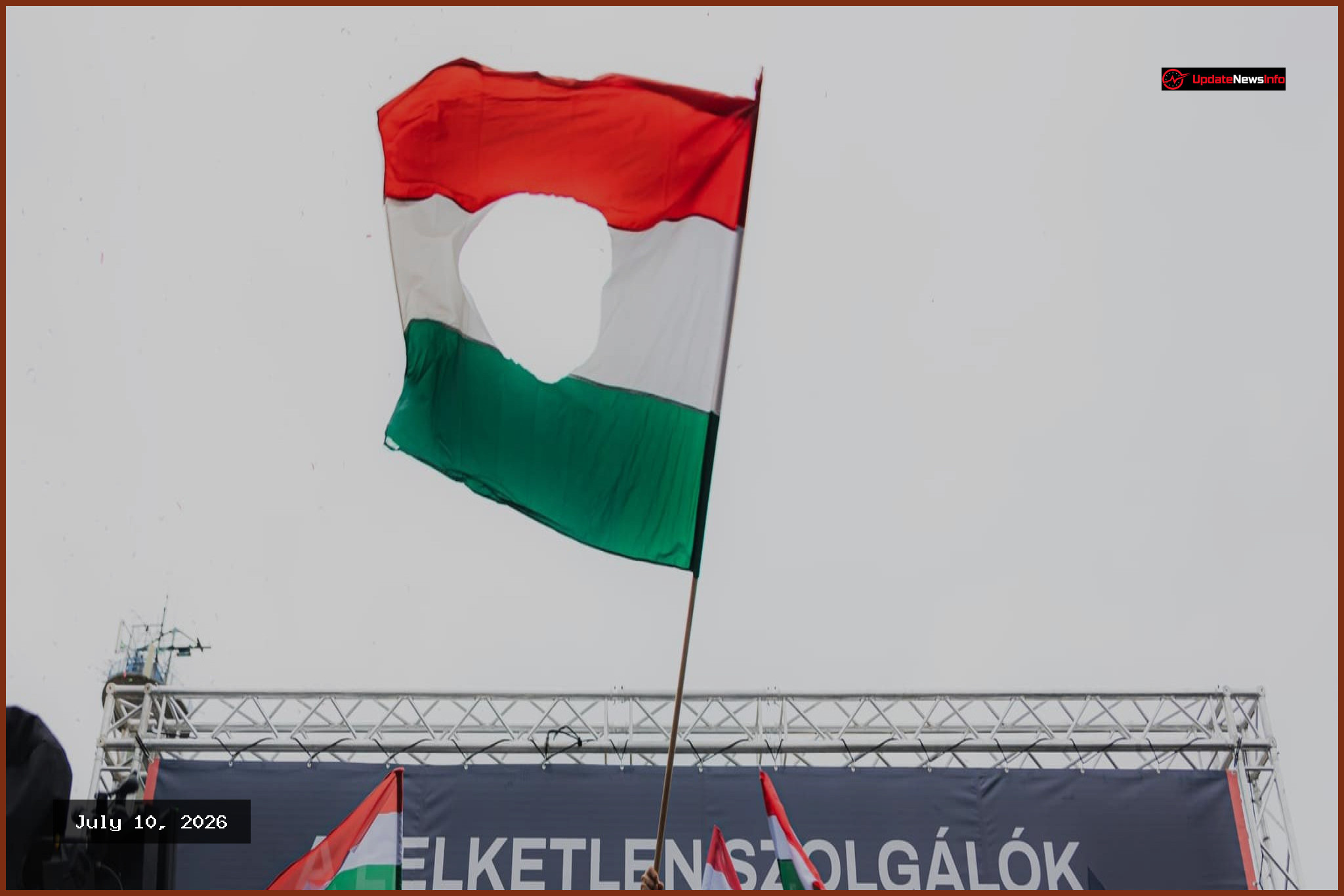
President Sulyok also voiced his opposition, labeling the proposal incompatible with the rule of law and stating that the Prime Minister has provided no valid constitutional grounds for his removal. In response, Fidesz has organized a protest scheduled for Thursday, July 9, outside Sándor Palace at 6 p.m., with former President and Fidesz politician János Áder expected to speak.
During Monday’s extraordinary session of the National Assembly, Prime Minister Magyar was absent, having traveled to Turkey for a Nato summit. Deputy Prime Minister Bálint Ruff assumed his responsibilities, while Minister for Transport and Investment Dávid Vitézy addressed the assembly. Political analyst Gábor Török noted that Vitézy’s speech was significant for its less confrontational tone compared to the Prime Minister’s typical dominance in parliament, despite addressing similar core issues such as corruption.
Political analyst Gábor Török considered Vitézy’s speech significant because Magyar’s absence demonstrated that Tisza’s communication style and the dynamics of parliament could be different. When the prime minister is present, he dominates everything. The analyst described Magyar as a hammer that sees everything as a nail and strikes everywhere. In terms of substance, Vitézy addressed similar issues, including corruption, but his shorter, more focused speech was less confrontational.