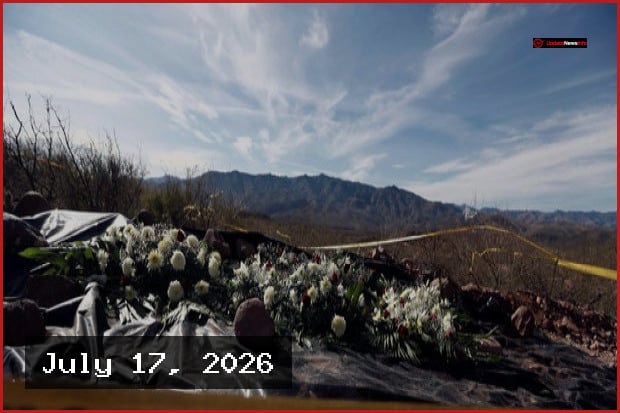
The fatal shooting of 52-year-old Lorenzo Salgado Araujo in Houston on July 7 has once again highlighted the volatility of encounters involving federal immigration authorities. The incident remains a subject of intense debate, as eyewitness accounts directly contradict the official version of events provided by immigration officials. While authorities allege that Salgado Araujo attempted to use his vehicle as a weapon to run over an officer, passengers present in the van have labeled that narrative as entirely false. Houston Mayor John Whitmire further complicated the official account by stating that Salgado Araujo was being pursued by an unmarked vehicle before he had the opportunity to identify himself.
This incident follows a series of similar lethal encounters, including the deaths of Renee Good in Minneapolis and Silverio Villegas-Gonzalez in Chicago, which have drawn national attention to the role of Immigration and Customs Enforcement (ICE). Organizations like the American Immigration Council emphasize that federal immigration officers operate under different protocols than local police. ICE agents are restricted from conducting routine traffic stops for typical violations; however, they are permitted to stop vehicles if they possess reasonable suspicion of a federal law violation, such as the belief that an occupant is in the country illegally.
In response to these recurring incidents, civil rights advocates and immigration organizations have provided guidance for the public on how to handle interactions with federal agents. The ACLU advises individuals to remain calm, cooperative, and truthful if they are pulled over by immigration officers. Beyond traffic stops, there is significant concern regarding home encounters. The ACLU maintains that immigration officers are prohibited from entering a private residence without either consent or a signed warrant. While ICE asserts that it can utilize administrative warrants signed by its own officials to enter homes, legal experts argue that this practice undermines constitutional protections. The National Immigrant Justice Center offers resources to help the public distinguish between a judicial warrant and an administrative warrant issued by ICE.
Contributing: Michael Loria, Eduardo Cuevas, Kinsey Crowley.
Another fatal shooting shows how quickly an encounter with federal immigration authorities can turn deadly.
Here's what you should do if immigration officers come to your home, according to the ACLU: