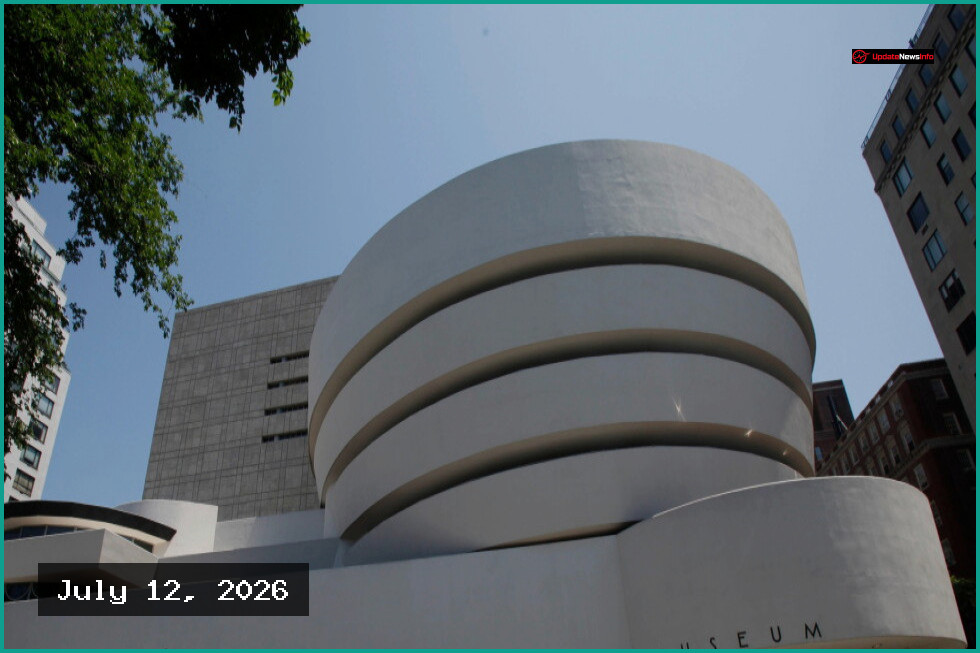
The Solomon R. Guggenheim Museum in New York City is among a group of buildings that recently tested positive for Legionella bacteria, according to city health officials monitoring an ongoing outbreak. The iconic, cylindrical museum, designed by architect Frank Lloyd Wright and recognized as a UNESCO World Heritage site, was identified as one of 19 buildings that have already completed remediation efforts.
City officials have clarified that the positive test results do not definitively link the museum or other identified properties to the source of the disease cluster. The testing methods employed cannot distinguish between live and dead bacteria, and the city has confirmed that no additional action is required at this time. The museum remained open throughout the process and emphasized that the situation poses no risk to visitors or staff. In a statement, the museum noted it employs an outside firm for regular monthly testing and treatment of its cooling towers.
Recent data from the city health department indicates that more than 50 individuals have been diagnosed with Legionnaires’ disease in connection with the Upper East Side cluster. Currently, fewer than 20 people remain hospitalized, and no fatalities have been reported as a result of this specific outbreak. By contrast, a major outbreak in Harlem last year resulted in seven deaths and over 100 illnesses, which investigators traced back to cooling towers at Harlem Hospital and a nearby construction site.
Legionella bacteria typically thrive in warm water and can proliferate within building water systems, such as cooling towers, hot tubs, and showerheads. These cooling structures, usually situated on rooftops to regulate refrigeration systems, do not impact indoor air, air conditioning, or drinking water. The disease is not transmitted from person to person; instead, it is contracted by inhaling microscopic droplets of contaminated water.
According to the U.S. Centers for Disease Control and Prevention, symptoms of the respiratory illness—including fever, cough, headaches, muscle aches, and shortness of breath—typically appear between two days and two weeks after exposure. Individuals aged 50 and older, those who smoke or vape, people with weakened immune systems, or those with chronic lung conditions face a higher risk of infection. The disease derives its name from a 1976 outbreak that affected attendees of an American Legion convention in Philadelphia.
The exterior of Frank Lloyd Wright’s Solomon R. Guggenheim Museum in New York, May 31, 2011. (AP Photo/Kathy Willens, File)
The distinctive, cylindrical-shaped art museum was among 19 that have already completed the remediation, according to the department’s list. The rest were expected to complete the work by Saturday.