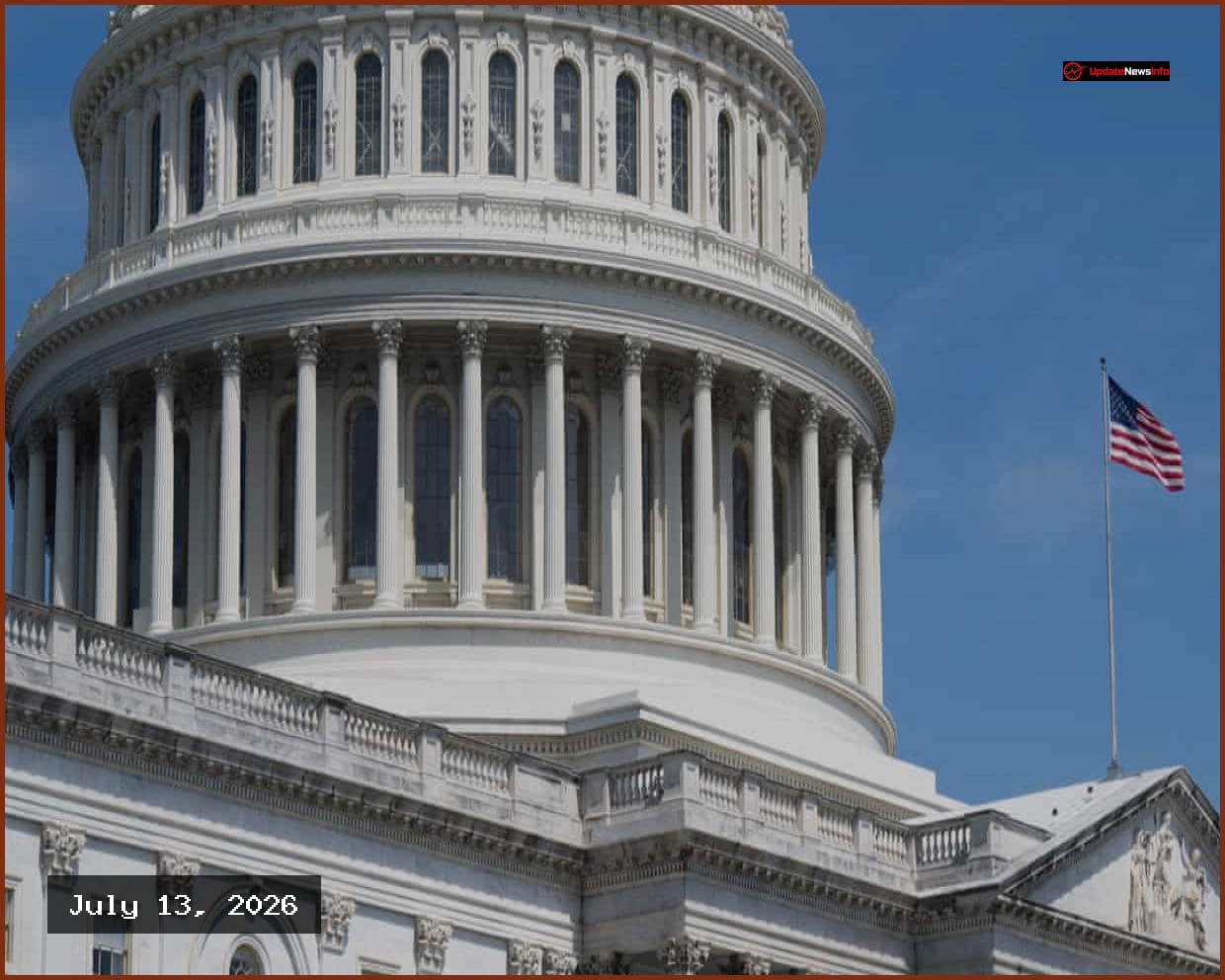
Republican lawmakers are returning to Capitol Hill this week to confront a heavy legislative workload and internal party pressures, all while navigating a political landscape complicated by the recent death of Senator Lindsey Graham. As a key player on the budget committee, Graham’s passing creates a significant void for the GOP as they attempt to negotiate party-line bills, including efforts to secure additional defense spending and other presidential priorities. The Senate Republican caucus is already operating with a reduced majority, as Mitch McConnell remains absent due to undisclosed health issues. While South Carolina’s governor is expected to appoint a replacement for Graham shortly, the current instability is complicating the party's legislative path.
A primary point of contention remains Donald Trump’s persistent demand for the passage of the Save America Act. This legislation, which seeks to ban mail-in ballots and implement new national voting rules, has faced significant hurdles. Although a version of the bill passed the House earlier this year with near-unanimous Republican support, it lacks a viable path through the Senate due to opposition from Democrats and several GOP members. Despite these roadblocks, the president has withheld his signature from a bipartisan housing bill in protest of the stalled voting legislation. This impasse forced House Speaker Mike Johnson to conclude the independence day recess earlier than planned last month, and the housing bill ultimately went into effect on Saturday without the president’s signature.
The legislative logjam has also hindered the renewal of a critical foreign surveillance law, which expired in June after a compromise extension failed amid Democratic opposition to the president's appointment of an inexperienced loyalist as acting director of national intelligence. Although Trump has since nominated US attorney Jay Clayton for the permanent role, the confirmation process was briefly halted and remains tethered to the Save America Act. Furthermore, the Senate judiciary committee has scheduled hearings for Todd Blanche, Trump’s nominee for attorney general, though it remains uncertain how Graham's death will impact that timeline.
Right-wing lawmakers in the House, led by figures such as Anna Paulina Luna, continue to pressure GOP leadership to force the Save America Act through the Senate by attaching it to must-pass defense policy legislation. Luna has openly criticized Senate majority leader John Thune for his refusal to alter filibuster rules to bypass Democratic opposition. Despite these internal efforts, a previous attempt to pass the bill in the Senate failed last month with four Republicans joining all Democrats in opposition.
Democrats are positioning themselves to capitalize on these Republican divisions ahead of the November midterms. House minority leader Hakeem Jeffries criticized the GOP's priorities, stating that Republicans would rather restrict voting access than address housing affordability. Tensions regarding election integrity have also intensified following Trump's recent removal of three independent federal commissioners. Senator Mark Warner, a top Democrat on the intelligence committee, condemned the move as an attempt to rig the upcoming elections, challenging Republicans to stand up for the democratic process.