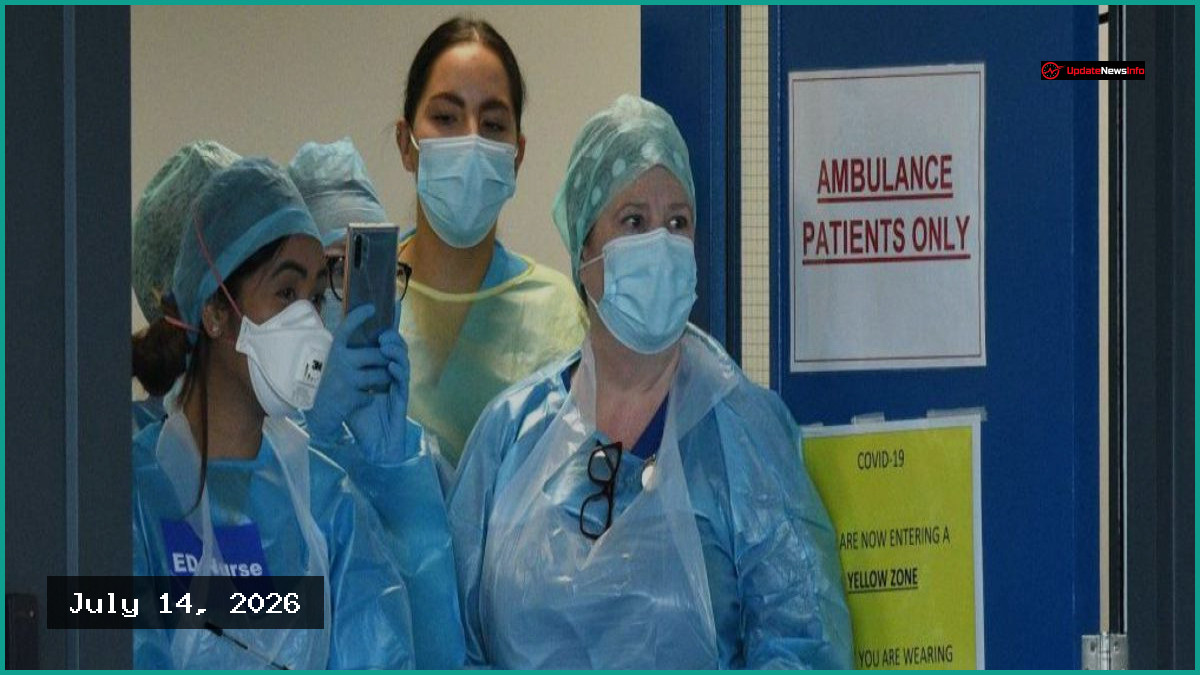
The UK Covid inquiry has determined that the lives of both NHS staff and patients were endangered throughout the pandemic due to a severe lack of adequate personal protective equipment (PPE). In a critical assessment of government procurement, the inquiry found that of the £14.9bn spent by UK and devolved governments on protective gear, nearly two-thirds—amounting to almost £10bn—was squandered. The UK entered the pandemic with its stockpile of masks, gowns, and gloves in a "perilous state," leaving the country "simply not ready to compete" in the global race to secure new supplies.
Baroness Hallett, the chair of the inquiry, characterized this loss of taxpayer money as "vast." She further noted that an overreliance on China for manufacturing left the UK "dangerously overexposed" when global demand surged. When broader expenses, such as home testing kits and other equipment like ventilators, are factored into the figures, the total government expenditure between January 2020 and June 2022 climbed to more than £42bn, the inquiry found.
By the end of March 2020, as hospital demand spiked, the UK's emergency stockpile—which was intended to last at least 15 weeks before requiring replenishment—was effectively depleted. The inquiry discovered that only one-third of masks in England’s pandemic stockpile were usable, while Scotland had no supplies of high-grade respiratory masks for use in hospitals. Furthermore, the report highlighted a "major failure in planning" by expecting care homes, pharmacies, and GP surgeries to source their own equipment.
Government contingency plans had never been stress-tested, forcing officials and ministers to improvise and establish new emergency procurement and distribution systems within days. Baroness Hallett stated that better planning would have resulted in faster, fairer, and more cost-effective procurement decisions. The inquiry also noted that public trust was "significantly damaged" by these failures, which undermined the hard work of many officials.
The inquiry specifically criticized the "high priority lane"—officially known as the VIP lane—used to award government PPE contracts in England. While the government argued at the time that there was a "desperate need" to protect health and social care staff and that swift action was required, the inquiry labeled the policy a "misguided attempt at prioritisation" that "embedded unfairness in emergency procurement." Some suppliers received favorable treatment due to connections to the then Conservative government, which the report stated "undermined trust at a moment when it needed it most." The report concluded that the high priority lane should not have been established and must not be repeated.
Despite these findings, Baroness Hallett clarified that she had not identified evidence of cronyism or corruption by ministers or officials when contracts were awarded. The inquiry examined the case of PPE Medpro, a firm linked to businessman Doug Barrowman and his wife, Baroness Michelle Mone, regarding contracts worth over £200m; both have denied any wrongdoing. Testimony from senior government officials regarding this was heard behind closed doors to avoid prejudicing an ongoing criminal investigation by the National Crime Agency (NCA).
To date, no criminal charges have been brought, with the NCA stating its investigation remains a priority. In total, 48 witnesses gave oral evidence during February and March 2025, including former health secretary Matt Hancock and cabinet minister Michael Gove.
Looking ahead, the inquiry recommended a "radical overhaul" of the emergency system for buying and distributing PPE before the next pandemic, alongside the creation of a "domestic industry strategy" that treats key healthcare equipment as a strategic national asset.