A nationwide surge in cyclosporiasis cases has prompted significant concern regarding the safety of fresh produce. As of July 13, the Centers for Disease Control and Prevention (CDC) has confirmed more than 1,600 cases across the United States and is currently working to verify more than 5,000 additional potential infections.
State-level data indicates even higher figures; for instance, Michigan health officials reported tracking more than 3,700 infections as of July 15, according to the state's Health and Human Services department.
The CDC noted on July 14 that infections identified in Michigan, Ohio, West Virginia, and Kentucky are likely linked, with Michigan authorities currently investigating whether lettuce may be the source of the regional outbreak.
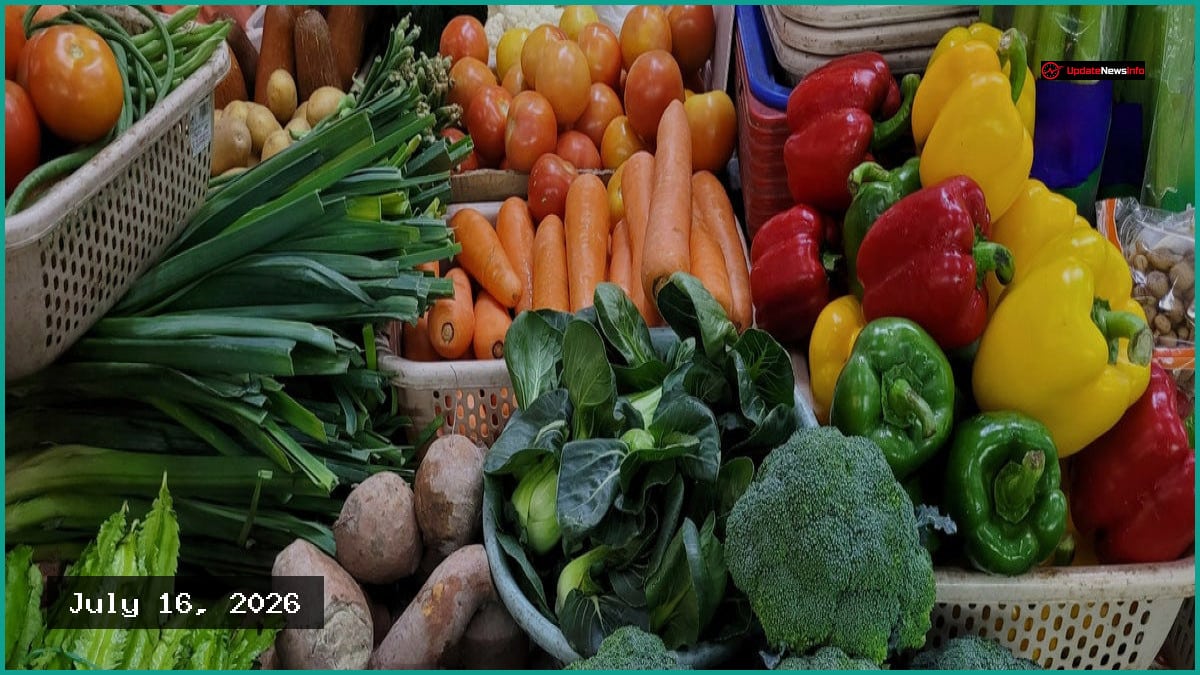
Cyclosporiasis is caused by the microscopic parasite Cyclospora cayetanensis and is typically transmitted through contaminated food items or water. While the exact source of the current surge remains undetermined, experts suggest that locally grown fruits and vegetables, such as those found at farmers markets, might represent a safer option than other sources, though they are not entirely risk-free.
Dana Mordue, an associate professor of pathology, microbiology, and immunology at New York Medical College, noted that while past U.S. outbreaks have often been traced to produce imported from overseas—where irrigation practices may be less stringent than in the United States—the scale of the current situation raises questions about potential domestic contamination.
Climate factors may also play a role in domestic risk. Joellen Russell, a professor of climate and integrative science at the University of Arizona, explained that shifting weather patterns, including increased heavy rainfall, can lead to agricultural runoff and sewage overflows that potentially taint irrigation water used for fresh produce.
For those relying on backyard gardens, experts suggest they are likely safe, provided the irrigation source is secure.
Amesh Adalja, an infectious disease expert, emphasized that the safety of home-grown produce is directly tied to the water supply, noting that U.S. municipal water is generally not contaminated with human feces, making it unlikely that the issue stems from domestic water sources. Mordue added that home gardeners benefit from knowing exactly what type of fertilizer is used on their crops.
When it comes to mitigation, the CDC recommends washing fruits and vegetables thoroughly under running water to reduce the risk of foodborne illness. However, some medical professionals warn this is insufficient. Dr. Rabia de Latour, a gastroenterologist at NYU Langone, stated that washing fails to remove the resilient, microscopic parasite.
According to de Latour, the only foolproof method to kill the parasite is cooking the produce.
Mordue agreed that while rinsing is a positive practice, it is not a complete preventative measure, noting that it may remove some of the parasite but does not eliminate the risk entirely. Mordue further noted that freezing produce is another effective way to kill the parasite, making frozen fruits and vegetables a safe option.