A judge in Utah presiding over the murder trial connected to the death of Charlie Kirk ruled on Friday that the prosecution is in contempt of court. The decision stems from specific comments made by legal representatives to various media outlets regarding the defendant, 23-year-old Tyler Robinson.
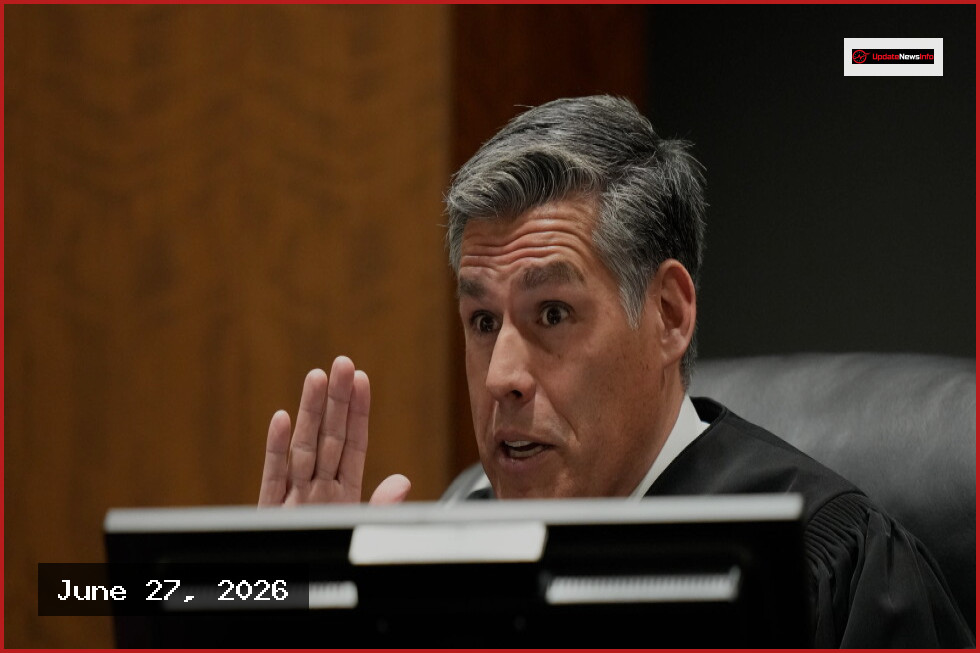
Judge Tony Graf determined that these public statements breached existing judicial restrictions concerning what both legal teams are permitted to discuss outside of the courtroom. Despite the finding of contempt, Graf rejected a request from the defense counsel to strike the death penalty as a possible punishment for the violation. He reasoned that any potential prejudice could be addressed during the jury selection process, where officials will screen for individuals who might harbor bias regarding the case.
Robinson, a resident of southwestern Utah, has yet to enter a formal plea. He faces charges of aggravated murder related to the September 10 assassination of Kirk, a prominent supporter of President Donald Trump. Kirk was fatally struck in the neck by gunfire while speaking to a large audience at Utah Valley University.
Defense attorneys had previously alleged that Deputy Utah County Attorney Christopher Ballard engaged in a “media tour” intended to sway prospective jurors by discussing ballistics evidence. They noted that Ballard had publicly asserted the prosecution possessed sufficient evidence to prove Robinson committed the crime. Legal analysts had warned that disqualifying the death penalty would be an extreme measure, and Judge Graf agreed, noting that such an action would be “grossly disproportionate” to the misconduct.
Ballard defended his actions, arguing he had the right to address public misconceptions regarding preliminary ballistic findings. Initial testing did not link a specific bullet fragment to the rifle believed by investigators to be the murder weapon, a detail that led some media outlets to publish reports questioning the prosecution’s narrative. Ballard stated he aimed to clarify that the results were merely inconclusive, rather than a definitive mismatch.
The ambiguity surrounding the evidence previously sparked conspiracy theories suggesting there might have been a second shooter or that the event was staged. Both sides have acknowledged that such rumors and intense media scrutiny could potentially taint the jury pool. While Judge Graf found the comments regarding ballistics acceptable, he ruled that Ballard crossed the line when he claimed prosecutors had “ample evidence to demonstrate beyond a reasonable doubt that Tyler Robinson committed this murder.”
The judge concluded that those additional remarks created a “substantial likelihood” of prejudicing the proceedings. However, he emphasized that the prosecutors were not motivated by malice or a desire to bias the jury, and clarified that his ruling was unrelated to the merits of the charges. According to authorities, DNA linked to Robinson was discovered on the rifle’s trigger, a shell casing, two unused cartridges, and a towel found wrapped around the weapon.