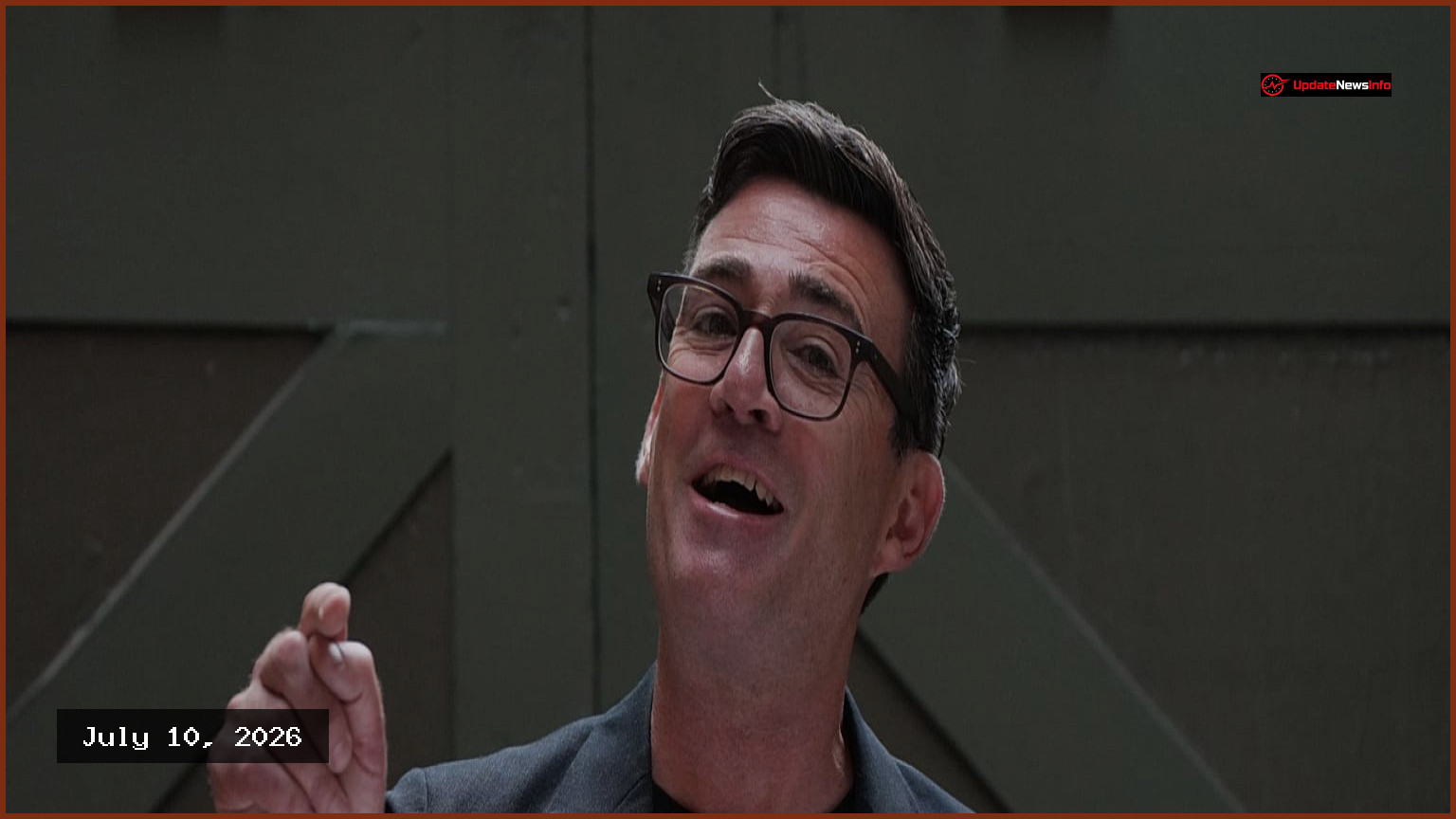
Veteran politician Andy Burnham has moved significantly closer to the premiership of the United Kingdom, having secured the backing of 322 Labour MPs on Thursday. Following the resignation of Keir Starmer last month, Burnham has emerged as the only candidate to publicly declare his bid for the party leadership. As the nomination process opened, he appeared on track to be appointed leader without a contest.
If Burnham secures at least 323 nominations, it will become mathematically impossible for any other challenger to reach the 81 signatures required to enter the race from the total pool of 402 Labour MPs. Expressing the gravity of the situation in a social media video shortly after the process began, Burnham noted that the transition felt very real. With nominations set to close on 16 July, he is expected to be crowned Labour leader and prime minister-in-waiting at a special conference the following day. He is scheduled to meet King Charles on 20 July to officially replace Starmer at 10 Downing Street, marking the seventh British prime minister in a decade.
The path cleared for Burnham after Armed Forces Minister Al Carns, his final potential challenger, withdrew from the race late Wednesday. While Carns had hoped for a contest to facilitate a proper debate, he ultimately concluded that the country did not require months of internal Labour party politics. Other prominent figures, such as former health minister Wes Streeting, have also publicly declared their support for Burnham.
Known as the “King of the North” for his three consecutive electoral victories as Greater Manchester mayor, Burnham has pledged to implement a major rebalancing of national power. His signature policy involves creating a “No. 10 North” to facilitate greater regional devolution. While he has committed to fiscal discipline and reducing the nation’s welfare bill to reassure markets, he faces significant obstacles, including stagnant growth, a persistent cost-of-living crisis, and the unpredictability of US President Donald Trump. Additionally, Burnham has signaled a shift in approach regarding Israel, telling the Guardian that the previous government’s response to the war in Gaza was not good enough and that improvements are necessary.
Starmer’s resignation on 22 June followed months of pressure regarding his judgment and policy shifts, ultimately leading to a loss of support among his MPs. Burnham’s return to parliament via a recent by-election proved pivotal, and he was met with significant support from roughly 200 Labour MPs during a photo session at Westminster. Many within the party view him as their best opportunity to regain ground against Nigel Farage’s Reform UK party ahead of the general election expected in 2029.
"There's no one else," one Labour MP told the AFP news agency on condition of anonymity after nominating Burnham.
"I hope he's a breath of fresh air," the lawmaker told AFP.