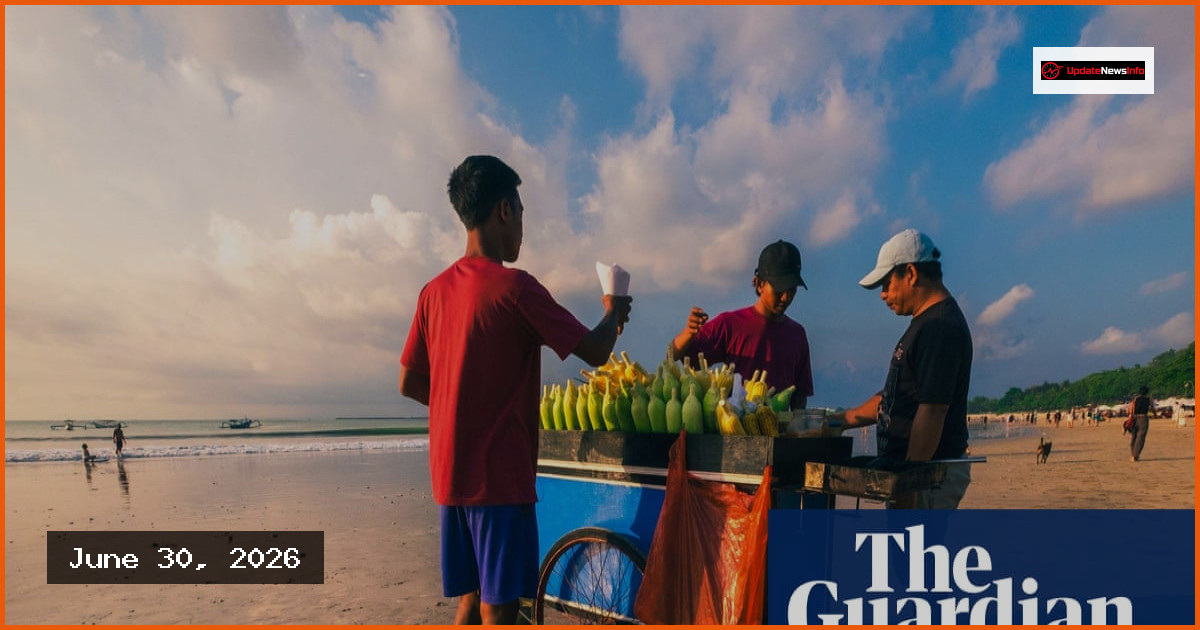
A summer day at the beach often brings to mind the soothing sound of waves and the scent of suncream, but the snacks we crave by the water vary significantly across the globe. We asked five globetrotting chefs to highlight the unique, freshly prepared coastal delicacies that they find themselves craving throughout the year.
Karan Gokani, founder of Hoppers, finds clarity by the ocean in India and Sri Lanka. For him, the quintessential beach food is freshly roasted corn on the cob. Near Mumbai’s iconic Marine Drive, street vendors prepare corn over charcoal stoves, finishing it by rubbing the hot kernels with lime dipped in a mixture of salt and chilli. While some modern versions now include cheese and butter, Gokani maintains that the classic, simple preparation is the most evocative.
Chef Ixta Belfrage looks toward north-east Brazil for her ideal seaside snacks. While she bypasses the warm cheese skewers often found in Rio, she champions pamonha—a tamale-like cornmeal dish wrapped in banana leaves—or savoury fried pasties called pastels, particularly those filled with crab and banana. These are best enjoyed with a chilled Guarana, the country’s national cherry-flavoured soft drink.
Marcelo Rodrigues, head chef at Primeur, finds the tradition of eating custard doughnuts, or bolas de berlim, on Portuguese beaches essential. Despite the heat, he notes that the fluffy, sugar-dusted, egg-cream-filled pastries—originally introduced by German Jewish families—pair perfectly with the salt on one’s lips after a swim. He remains fascinated by the vendors who traverse the hot sands throughout the summer to deliver these fresh treats.
For Adriana Cavita, the flavours of Mexico define the beach experience. On the Pacific coast, she highlights the simple joy of fresh coconut pulp. Vendors serve the coconut water first, then scrape the pulp and season it to order with lime, salt, and chilli powder or hot sauce. It is a refreshing, acidic, and spicy combination that she often misses while abroad.
Kareem Roberts emphasizes the authentic, local side of Antiguan beach eating: seasoned rice. This one-pot seafood dish must include salted pork to be considered authentic, often bolstered by octopus, cockles, or beans. Roberts insists that for the true experience, the meal should be eaten from a styrofoam container by the beach, rather than a formal plate.
Finally, Hasan Semay reflects on the mackerel sandwiches sold by vendors on boats along Istanbul’s Bosphorus. The combination of oily, freshly grilled fish, crusty bread, and salad is enhanced by the atmosphere of the sea breeze. In Cyprus, he recalls the simple pleasure of fresh red mullet, lightly coated in semolina and fried, enjoyed with nothing more than lemon, onion, and rocket, capturing the essence of a Mediterranean summer.