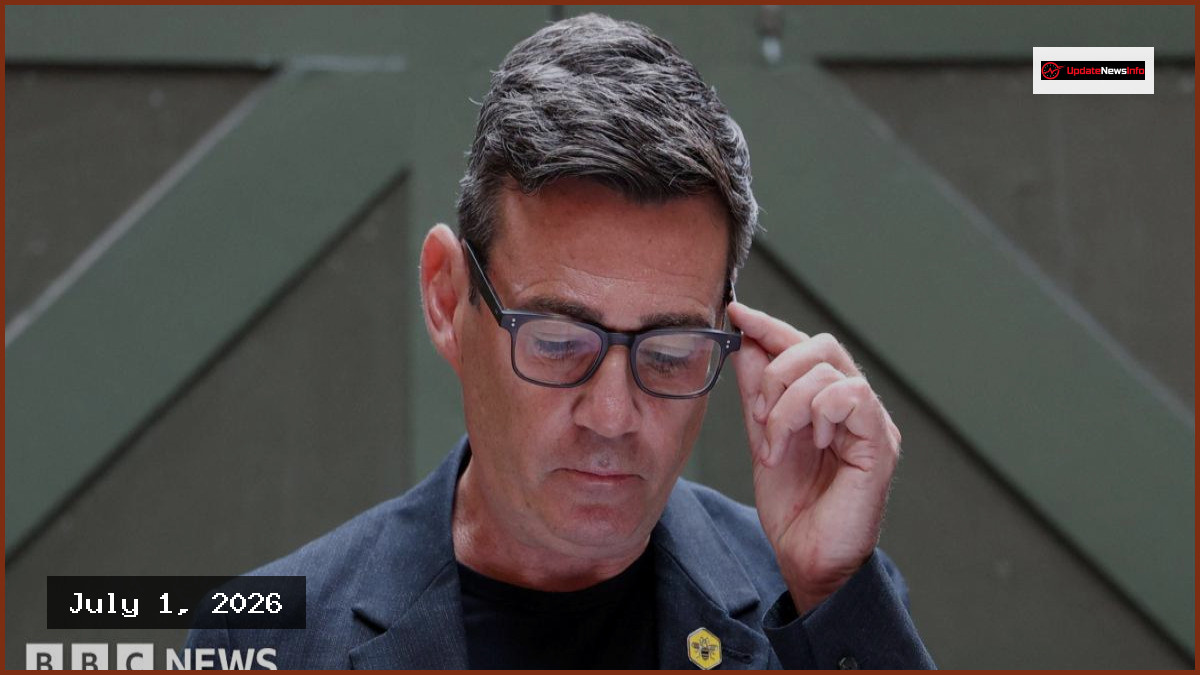
If Andy Burnham assumes the role of prime minister next month as anticipated, he will be tasked with addressing a £4.7bn financial commitment required to execute the Defence Investment Plan (DIP). This obligation arrives well before he must consider strategies to further increase defense spending ahead of the next general election.
The details surrounding this delayed initiative indicate a substantial fiscal gap that the current administration expects its successor to cover later this autumn. Efforts to finalize the DIP have already sparked significant controversy, notably drawing criticism from serving minister Hamish Falconer. Falconer publicly voiced his frustration regarding the ambiguity surrounding the A46 Newark bypass road widening project located in his Lincoln constituency. Finding an additional £5bn within existing budgetary constraints is likely to result in further political friction among backbenchers.
Sir Keir Starmer took personal responsibility for unveiling the DIP, fulfilling a pledge to release it prior to the Nato summit in Ankara, Turkey, which serves as his final scheduled foreign engagement as prime minister. Failing to present the plan before the summit would have caused additional embarrassment for a leader currently preparing to depart his position. By securing an agreement that Defence Secretary Dan Jarvis could support, Starmer effectively relieved Burnham of the immediate pressure to manage the plan’s publication himself.
While Burnham has remained silent regarding the DIP, Defence Minister Luke Pollard informed the BBC that ongoing discussions have been occurring between Downing Street and Burnham’s team concerning the investment strategy. Throughout his two-year tenure, Starmer has frequently highlighted the difficult trade-offs inherent in governance. His administration is currently managing a combination of a stagnant economy, a high tax burden, rising national debt, increasing benefit costs, and mounting demands for greater defense expenditure. The challenge is further complicated by the rejection of his initial attempt at welfare reform by his own party members.
Former defence secretary Sir Ben Wallace described the DIP as an attempt to provide a departing gift to Sir Keir, noting that when analyzing the raw data, the substance remains largely unchanged. In his presentation of the plan, Starmer acknowledged the difficult nature of the job, noting that there will always be critics who argue that any allocated sum is insufficient. As he prepares to leave office, Starmer expressed confidence in leaving the country in a better condition than he found it, while emphasizing that the prime minister and chancellor must always make difficult judgements regarding affordability and government priorities.