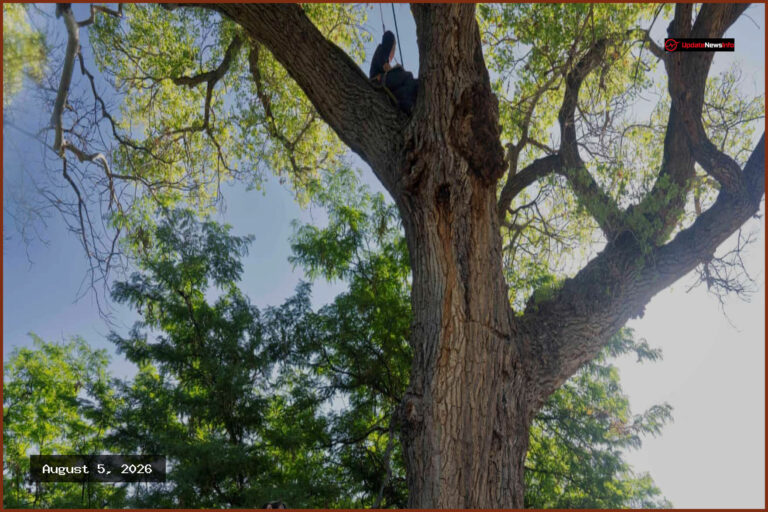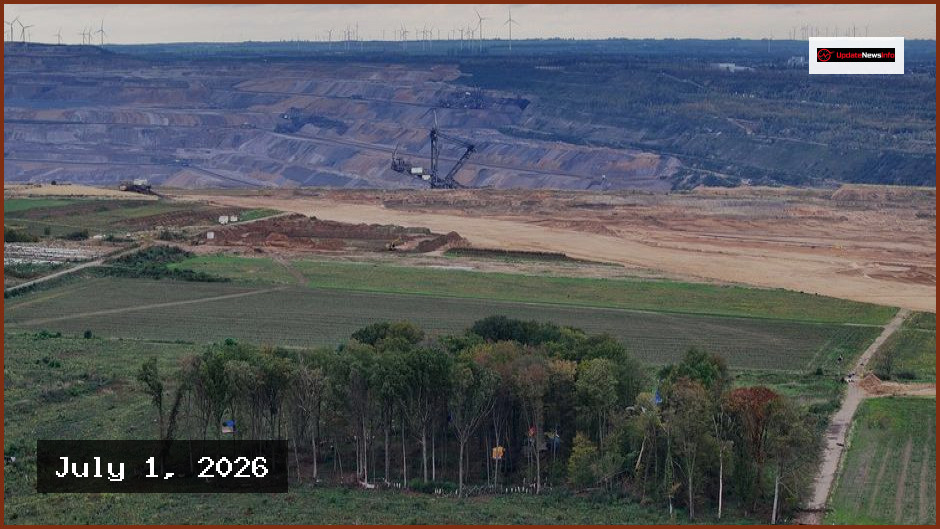
A decades-long environmental battle in Germany has concluded with a landmark victory: the 12,000-year-old Hambach forest will be permanently preserved. Situated between Aachen and Cologne, the woodland faced existential threats from open-pit coal mining for half a century, with activists and locals staging long-term protests, including occupying treehouses, to prevent the total destruction of the ecosystem. Today, only about 14% of the original forest remains, but a recent agreement between the local government and energy firm RWE ensures this portion will be transformed into a nature conservation area.
Dirk Jansen of the environmental group BUND, the German branch of Friends of the Earth, hailed the decision as a decisive victory for the climate movement. The conflict, which began in the mid-1970s, intensified significantly in 2018 when over 50,000 protesters rallied to save the trees, leading to a court-ordered halt on clearing. Following recommendations from Germany’s Coal Commission, the Hambach mine is set to cease coal extraction by 2029, as the country works toward a national phase-out of coal by 2038.
While Germany shifts toward preservation, the United States is moving in the opposite direction. The US government is increasingly repurposing vast swaths of public land—covering 640 million acres—for oil, gas, and timber development. Experts like Lincoln Larsen from North Carolina State University note that the current administration’s strategy to expedite the sale of leases for extractive industries is unprecedented. Recent actions include opening 500,000 square miles of Pacific waters to fishing and mandates to increase timber production by 25% over the next several years.
The push for development on American public lands carries significant risks, including the degradation of biodiversity and threats to water supplies. A 2022 US Forest Service study revealed that national forests in the American West provide 46% of the region’s surface water, highlighting the critical role these ecosystems play in protecting drinking water for downstream communities. Indigenous groups, who often lead opposition against extraction on traditional lands, remain at the forefront of these challenges.
Despite these policy shifts, public opposition to selling off protected lands remains strong, with surveys indicating that roughly three-quarters of Americans oppose such measures. These lands support a massive $1.2 trillion outdoor recreation economy and provide habitats essential for global stability. Looking forward, the Hambach forest in Germany is slated to become a publicly managed wilderness area by 2035, featuring new ecological corridors, pedestrian paths, and cycling routes to ensure the landscape remains protected as a functioning forest for generations to come.