The National Weather Service (NWS) has entered the current hurricane season while actively working to fill hundreds of predominantly entry-level vacancies. This hiring push comes more than a year after the agency lost approximately 15% of its workforce due to significant job cuts and buyouts mandated by the Trump administration. While current meteorologists remain cautiously optimistic that the influx of new personnel will eventually bolster the agency, experts warn that the ongoing vacancies may be hindering the collection of vital data necessary for accurate extreme weather predictions.
Concerns persist among former employees regarding the agency’s heavy reliance on early-career scientists. Critics argue that a relative lack of experience could impact the quality of national forecasts, particularly in the absence of seasoned professionals to provide mentorship. Alan Gerard, a meteorologist who retired last year after 35 years with the NWS and the National Oceanic and Atmospheric Administration (NOAA), emphasized that leadership transitions should be an organized process where new staff can learn from experienced veterans. He noted that senior scientists who previously departed held critical knowledge of local, intricate weather patterns, such as storm surges.
According to Tom Fahy, legislative director of the National Weather Service Employees Organization, last year’s federal downsizing resulted in the loss of about 600 employees, including many experienced workers who took early retirement packages and approximately 100 probationary staff. Federal data reviewed by CBS News indicates that as of the end of May, NOAA had nearly 300 fewer meteorologists and hydrologists compared to January 2025. Rick Thoman, a climate specialist who retired from the NWS in 2018, highlighted the specific difficulties in Alaska, where the lack of experienced forecasters makes high-latitude weather prediction significantly more challenging.
Despite these challenges, some former employees see potential in the shift toward a new generation of staff. Brian LaMarre, a former NWS meteorologist, suggested that while the agency is experiencing “growing pains” from the loss of veteran experience, the new generation brings valuable technological skills that are essential in the modern era. NWS spokesperson Erica Cei stated that the agency continues to meet its mission through 24/7 operations, utilizing mutual aid from neighboring offices to ensure forecasts and warnings remain uninterrupted. Official documentation, including imagery from July 2026 (assets2.cbsnewsstatic.com/hub/i/r/2026/07/06/f946d060-d5dd-4284-b64a-2fb61da76b11/thumbnail/1200×630/3ab5f69218ad2c87408a8bf3a740a986/gettyimages-2271686852-1.jpg), highlights the ongoing operational adjustments being made across the agency.
Last August, the NWS received emergency authorization from Mr. Trump to hire 450 meteorologists, hydrologists, and radar technicians within a year. By late June, more than 300 new employees had been onboarded, with about 50 joining in the preceding two months. The agency has announced plans to continue recruiting to fill vacancies as needed.
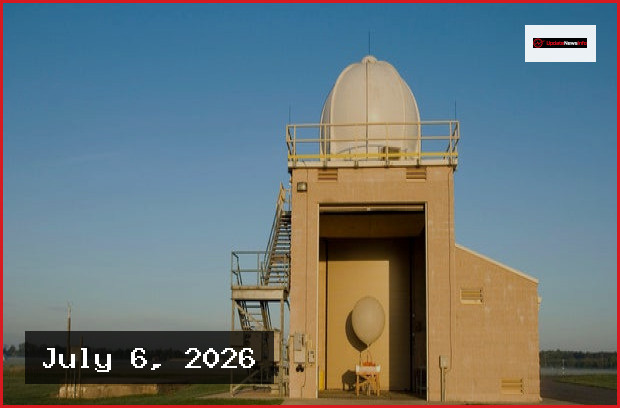
A primary concern remains the degradation of “upper air” data, which is fundamental to forecasting models. Historically, this data has been collected via twice-daily weather balloon launches. However, records show that several U.S. stations have reduced the frequency of these launches due to resource and equipment constraints. Thoman pointed out that two remote Alaska outposts have not launched balloons since early last year, and noted that a failure in data collection likely contributed to inaccurate storm track predictions in the Bering Sea last October. Experts fear that the lack of confidence in data quality could ultimately undermine critical operational decision-making during the peak of the hurricane season.