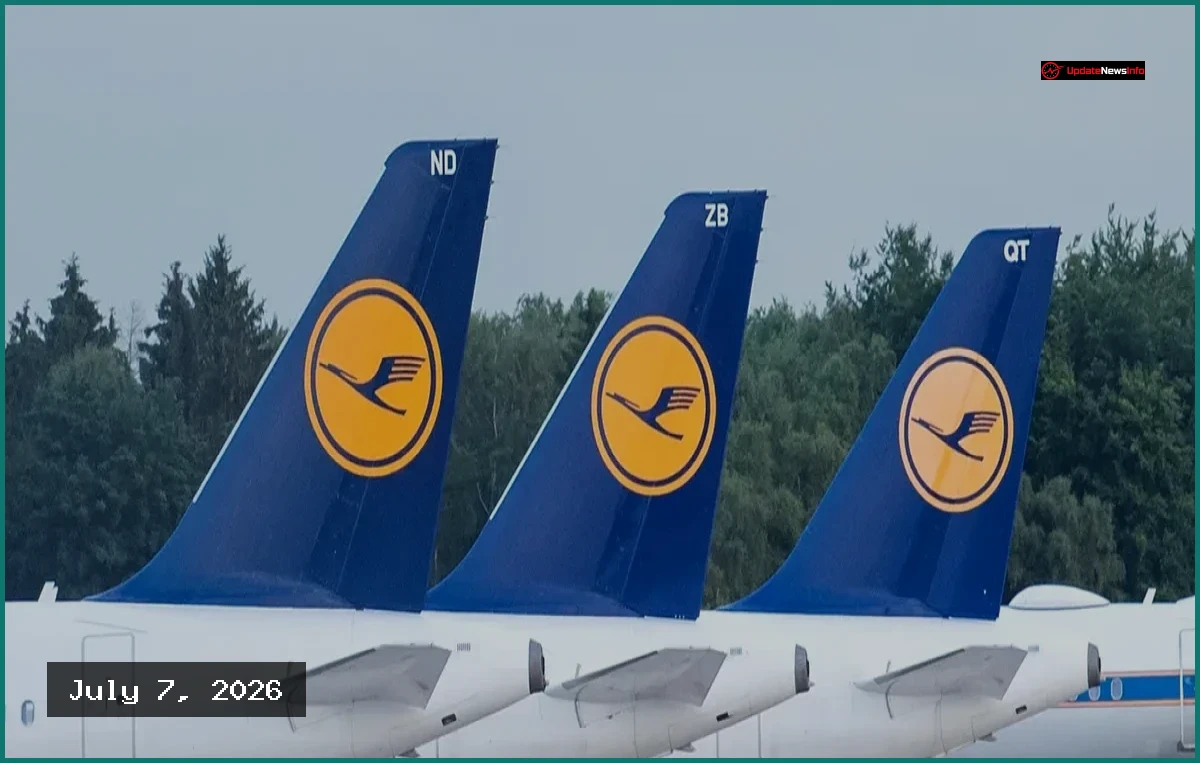
Lufthansa is currently executing a strategic shift to reshape its European network, a move that will see the carrier scale back its short-haul capacity over the coming years. As the airline refocuses its operations, travellers should anticipate fewer direct flight options, an increase in the necessity for transfers, and consequently, longer overall journey times.
The transformation is already underway, with the airline operating approximately 25 fewer aircraft this summer than originally projected. A significant contributor to this reduction was the closure of the regional subsidiary Lufthansa CityLine, which resulted in the removal of roughly 20,000 flights from the company’s schedules. This shift is part of a broader strategy to concentrate operations around six primary hubs: Frankfurt, Munich, Vienna, Zurich, Brussels, and Rome. As a result, passengers traveling from regional airports may find that direct routes are being eliminated or replaced by a single daily connection to a main hub.
Efficiency remains the core driver of these changes, as Lufthansa management reports that short-haul and European routes continue to lose money, ultimately impacting the profitability of their long-haul services. To combat this, the airline is working to reduce duplicate connections—flights that operate at similar times between the same city pairs—and is prioritizing Munich as a key growth area due to its lower per-passenger costs compared to Frankfurt. Furthermore, the company is shifting more routes to other airlines within the Lufthansa Group. While these flights will still be marketed under the Lufthansa brand, passengers may experience variations in schedules and onboard services depending on the operating carrier.
These operational adjustments are also tied to a broader push for increased staff productivity and lower costs. The airline has indicated that its “Lufthansa Classic” brand may see further reductions in Europe, with more routes being transferred to lower-cost subsidiaries. These changes, which include higher productivity demands for pilots and cabin crew, have already sparked concerns regarding working conditions. Given the scale of the restructuring and the airline’s stated goals, there is a risk of further industrial action, potentially leading to more service disruptions for passengers in the future.
READ ALSO: REVEALED – The best value summer holiday destinations from Germany
READ ALSO: 'Messy breakup' – Travellers in Germany frustrated with ongoing Lufthansa strikes