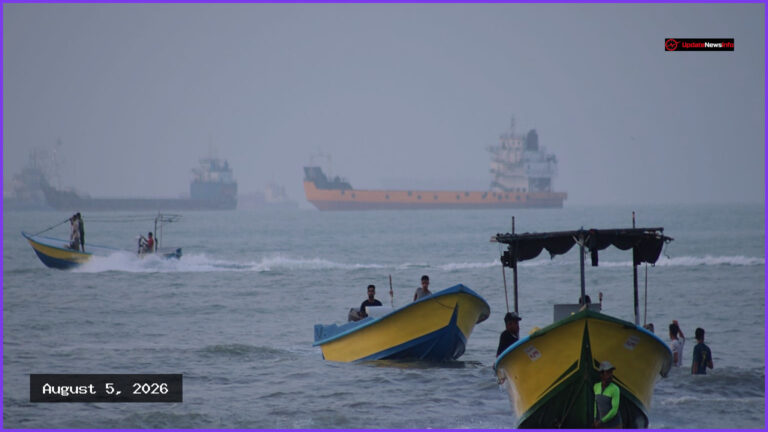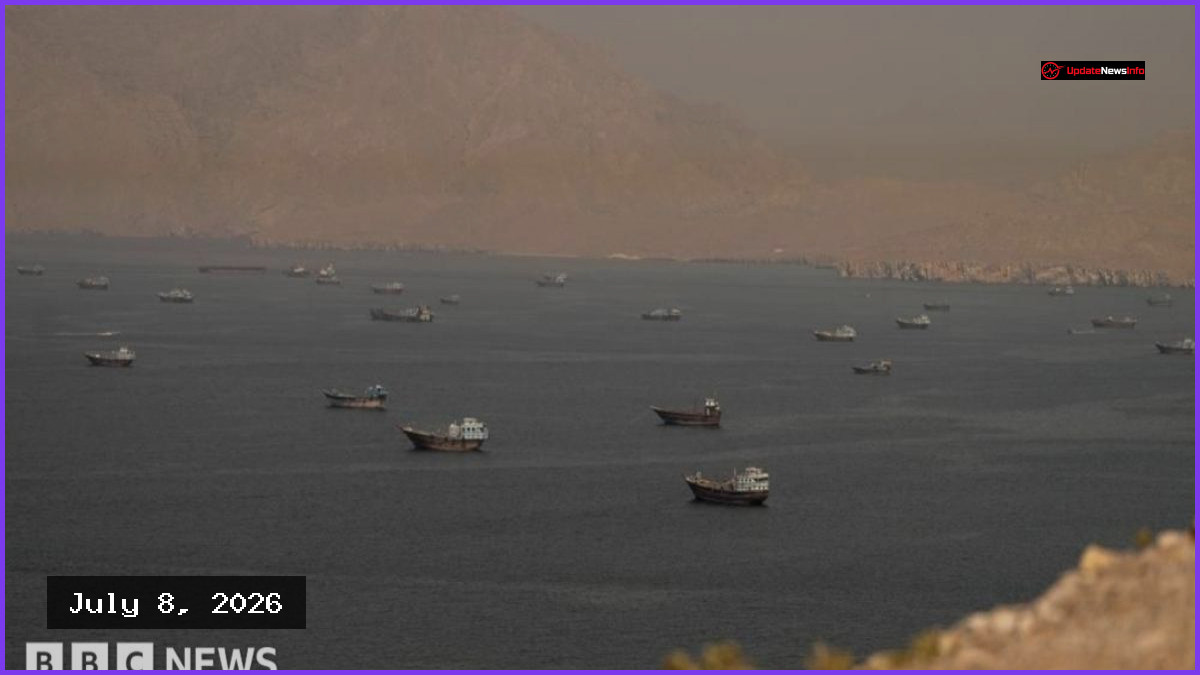
The United States has initiated a series of powerful military strikes against Iran in direct response to recent attacks on three oil tankers transiting the Strait of Hormuz. US Central Command (Centcom) confirmed on Tuesday that more than 80 targets were hit during the operation. Among the assets struck were over 60 small boats belonging to the Islamic Revolutionary Guard Corps (IRGC), as well as various missile launch sites and command centres, though specific locations were not disclosed. Officials stated that the mission was intended to impose significant costs on those responsible for targeting commercial shipping vessels crewed by innocent individuals in international waters.
Iranian state media reported that the strikes impacted Qeshm island, Bandar Abbas, and Sirik, resulting in injuries caused by shrapnel. In the early hours of Wednesday, the IRGC claimed to have retaliated by launching missiles and drones at approximately 85 key US military facilities in Bahrain and Kuwait, including a US Navy headquarters and a Kuwaiti air base. Prior to the escalation, the US Treasury revoked a waiver that had temporarily lifted oil sanctions on Iran, a move Tehran’s foreign ministry denounced as a breach of a memorandum of understanding signed just last month. Iran characterized the decision as evidence of the US government’s unreliability and warned that it would take necessary measures to protect its national security.
The diplomatic situation remains volatile, with both Qatar and Saudi Arabia publicly blaming Iran for the damage to their respective vessels. Qatar stated that the tanker Al-Rekayyat was targeted while near the strait, while Saudi Arabia reported that its tanker, the Wadyan, was also struck. Iran’s foreign ministry spokesperson, Esmail Baghaei, rejected these accusations, arguing that commercial vessels operating without proper coordination with Iran or those tampering with tracking equipment face inherent risks of collision. The UK Maritime Trade Operations (UKMTO) had previously reported multiple incidents, including a tanker catching fire after being hit by an unknown projectile and another vessel sustaining structural damage.
These developments follow a period of attempted de-escalation, during which Washington and Tehran had agreed to a 14-point memorandum aimed at extending a ceasefire and ending conflict across all fronts. The agreement had included provisions for talks between Iran and Oman regarding the future administration of the waterway. Despite these efforts, Iran had recently sought to assert sovereignty over the strait by establishing the “Persian Gulf Strait Authority” to manage passage permits, a move that preceded the current exchange of hostilities.
How Iran's new regime is very different to what came before
Progress towards that came last month when the US and Iran agreed a 14-point memorandum of understanding, which was aimed at extending a ceasefire and ending conflict "on all fronts".