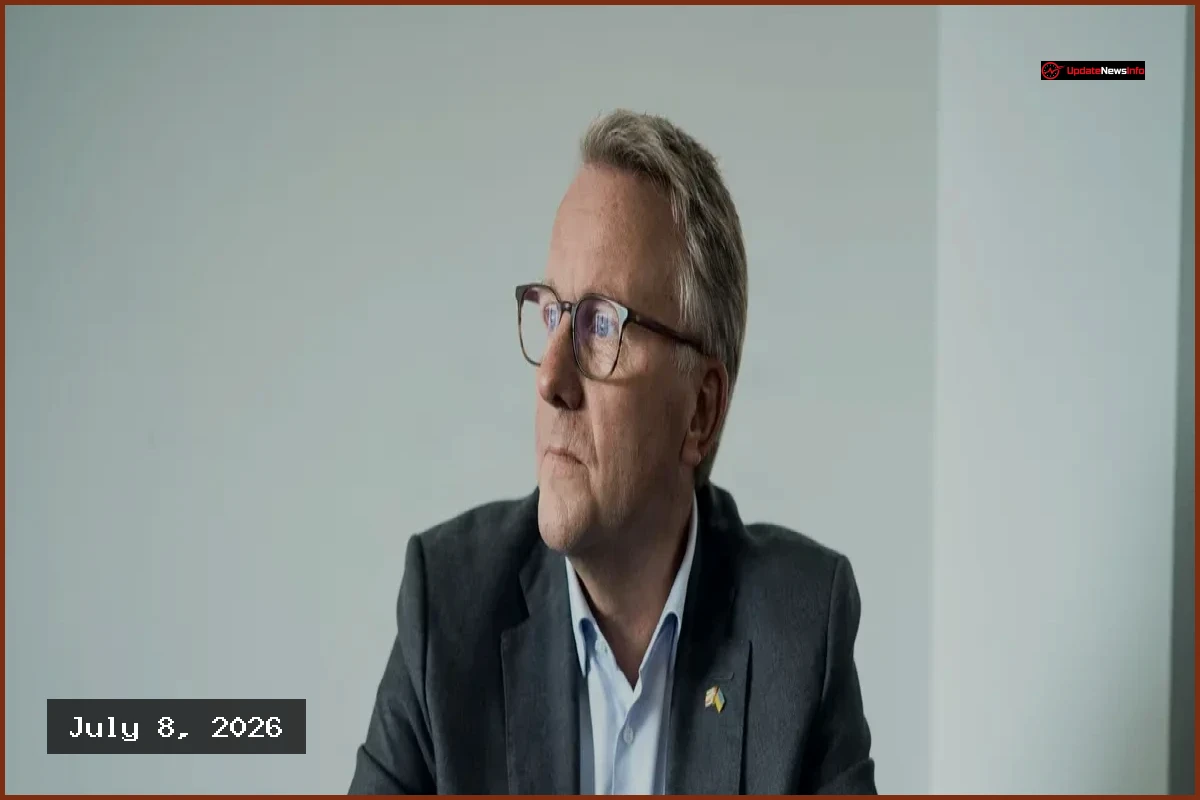
Danish migration minister Morten Bødskov is embarking on a diplomatic tour of Italy and Germany this week to advance a proposal for establishing deportation centres for rejected asylum seekers outside the European Union. In his discussions, Bødskov aims to broaden the scope of this initiative, telling the Danish news wire Ritzau that he hopes to strengthen cooperation and bring additional nations on board to transform the concept into a comprehensive joint EU project.
The momentum for this policy follows a vote last month where a majority in the EU parliament supported a new return scheme. This framework would allow the EU to utilize departure centres located in third countries for individuals who do not meet asylum requirements and lack the legal right to remain in the EU. These individuals would reside in such facilities until they can be repatriated to their home countries.
Reflecting on the progress of the initiative, Bødskov noted that Denmark was initially alone when it first proposed the idea in 2019. However, he observed that interest has grown significantly, with the work to establish the first centres now entering a crucial phase. He expressed pride in Denmark’s leadership role, stating that the project could structurally change the EU’s migration policy and, by extension, the foundation of Danish migration policy.
While Bødskov declined to name specific nations, he confirmed that several countries have expressed interest in partnering with the EU to host these centres, describing the potential for dialogue with these partners as very positive. His schedule includes a meeting with Italian interior minister Matteo Piantedosi on Wednesday, followed by a meeting with German interior minister Alexander Dobrindt on Thursday. He is also set to consult with relevant groups, including the UN refugee organization UNHCR, while in Italy.
Looking ahead, Bødskov emphasized that the government intends to maintain a high tempo to finalize the groundwork. “We’re going to keep working at a high tempo to create the groundwork to allow us to agree on a pilot project with a partner country so we can get going in the new year,” he said.