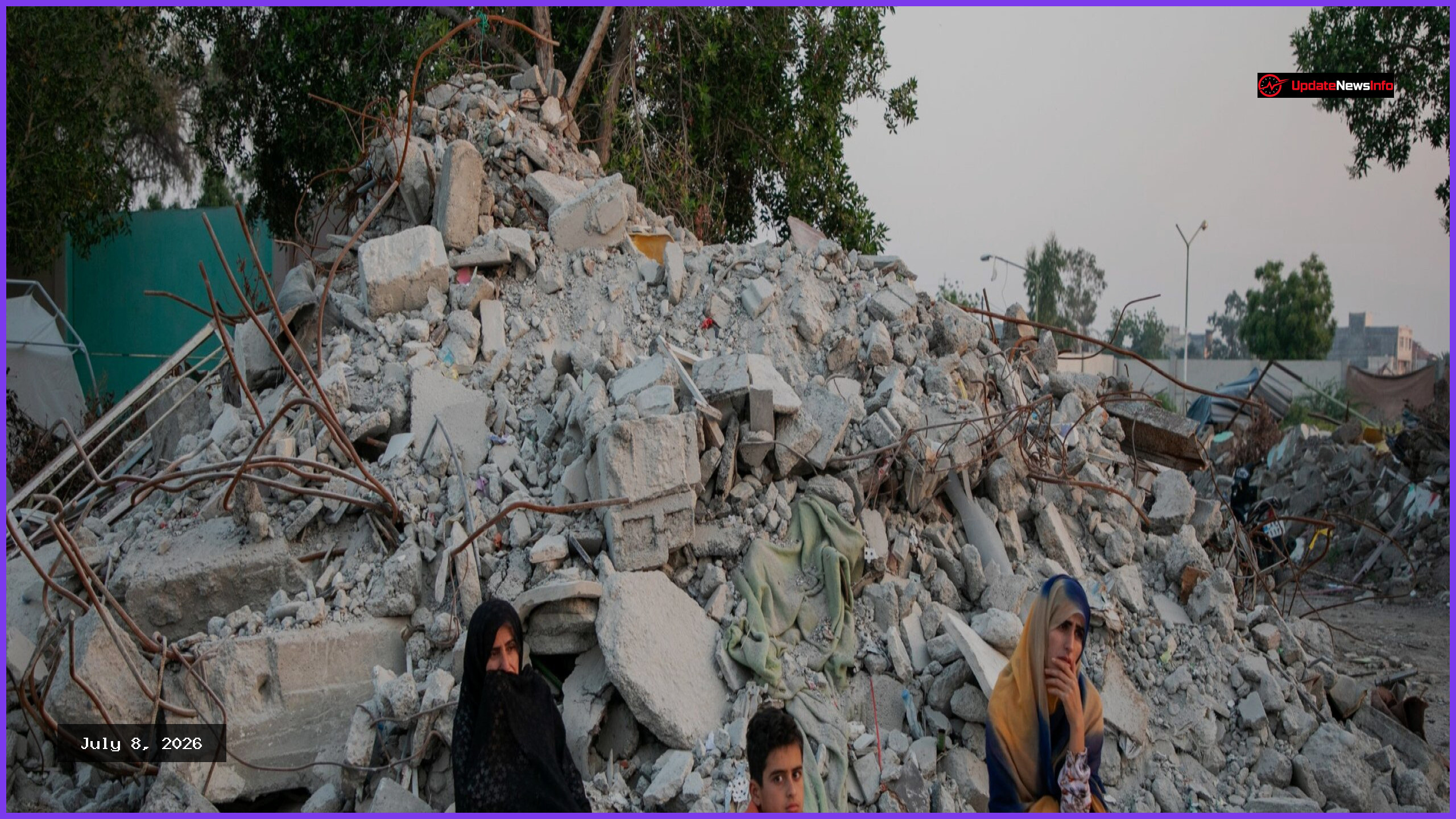
Senior U.S. military commanders allegedly bypassed critical warnings embedded in databases indicating that intelligence on potential targets in Iran was significantly out of date, according to three sources familiar with the decision-making process. This oversight allegedly led to the approval of some strikes, including one that struck a school and resulted in the deaths of nearly 200 children and adults.
Messages within the targeting system flagged that the intelligence was based on data years old and required re-vetting. A senior officer’s approval was necessary to add a site to the strike list, and these warnings were reportedly overridden for the sake of “expediency” in the rush to provide targets at the outset of the war. This decision is said to have directly contributed to the accidental strike on the school.
Iranian state media reported that the strike killed at least 168 children and 14 teachers, a casualty count that would position it as one of the most severe civilian incidents in recent U.S. military history. The U.S. military initiated an investigation into the incident within days of the strike, with officials reportedly understanding how the mistake occurred due to “obviously old info” shortly thereafter. However, months later, the Pentagon has not publicly released its findings.
A White House official confirmed to CNN that the investigation is ongoing, reiterating the U.S. stance that “the United States does not target civilians.” The previously unreported details regarding the use of old information shed new light on how the pre-war push for targets contributed to the accidental strike.
The Pentagon directed questions regarding the targeting process to U.S. Central Command (CENTCOM), which declined to comment, citing the ongoing investigation. The strike on February 28 occurred at the Shajareh Tayyiba school in Minab, while U.S. forces were attacking a neighboring Islamic Revolutionary Guard Corps facility, according to an initial military investigation. Satellite imagery from 2013 showed the school and the IRGC base as part of the same compound, but by 2016, a fence had been erected to separate them, with a distinct entrance for the school. Imagery from December 2025 showed people apparently playing in the school’s courtyard.
The strike took place on the first day of U.S. operations against Iran, as military officials and intelligence analysts scrambled to update targeting information for thousands of sites following President Trump’s decision to launch combat operations. Sources indicated that analysts did not refresh all relevant records in the Pentagon’s databases before strikes commenced, leading to intelligence for many targets, including the facility next to the school, being over 10 years old.
Given the expedited timeline, military officials and intelligence analysts prioritized updating records for “upper-tier” targets, which primarily consisted of mobile targets and sites believed to pose the highest threat to U.S. forces. These records were largely updated before the first bombs were dropped. Fixed sites, like the school, were considered lower-tier targets because they do not move, and many of these records remained un-updated before the war’s start.
The Pentagon utilizes two targeting systems: MIDB, an older system built in the 1980s that largely relies on manual input, and MARS, a newer, AI-powered platform intended to replace MIDB. While both systems are in use, the shift to MARS is years behind schedule, and authoritative targeting data still depends on MIDB, according to a source familiar with recent Pentagon guidance.
An analyst had previously noted changes at the school site in a separate digital intelligence tool, but this tool was not linked to the official intelligence database used for strike targets, and this information was never relayed to military commanders. The analyst’s warning and the database gaps are among the issues being examined in the ongoing investigation.
In the immediate aftermath, President Trump suggested Iran might be to blame, later stating responsibility might never be determined. Defense Secretary Pete Hegseth stated the strike would be “thoroughly” investigated, emphasizing the U.S. efforts to avoid civilian casualties. Multiple sources reported that senior Pentagon leaders were pressuring military officials for rapid target generation, straining CENTCOM and intelligence analysts.
An additional risk factor cited was that Civilian Harm Mitigation and Response (CHMR) teams at CENTCOM and other commands were short-staffed due to Secretary Hegseth’s earlier decision to significantly cut the program. Hegseth has advocated for allowing commanders more speed by removing constraints, summarized as “maximum lethality, not tepid legality.” Before the Iran war, he made deep cuts to CHMR programs, slashing staff by over 90%, removing specialists from target development teams, and reducing CENTCOM’s team from ten to one full-time staffer, according to sources.
Scan the QR code to download the CNN app from the Apple Store.