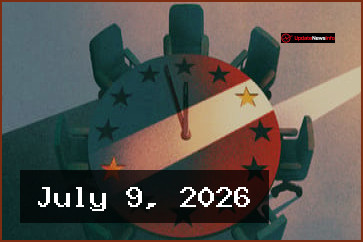
Ireland is set to assume the six-month presidency of the Council of the EU starting July 1, stepping into the role just before the French election cycle threatens to disrupt European decision-making processes. This transition places Dublin in a critical position to steer policy negotiations during a period marked by significant political uncertainty.
A primary challenge for the Irish government will be navigating intense budget disputes that divide member states, specifically pitting fiscally conservative nations against those advocating for higher spending. Additionally, Dublin will oversee complex regulatory discussions surrounding technology, which are expected to occupy a substantial portion of the presidency’s agenda.
The nation must also manage sensitive environmental policy debates, as member states remain deeply split over the future of the Emissions Trading System, with some seeking to weaken the framework while others push for its protection. These tasks come as the EU contends with increasing hybrid threats, including infrastructure sabotage and cyberattacks, which have placed Ireland’s long-standing policy of military neutrality under heightened international scrutiny.
To support these operations, the presidency is expected to incur a significant financial cost, with an estimated €293 million budget. A large portion of these funds will be allocated toward addressing security requirements throughout the tenure.
Much of the estimated €293 million price tag will be spent on security.