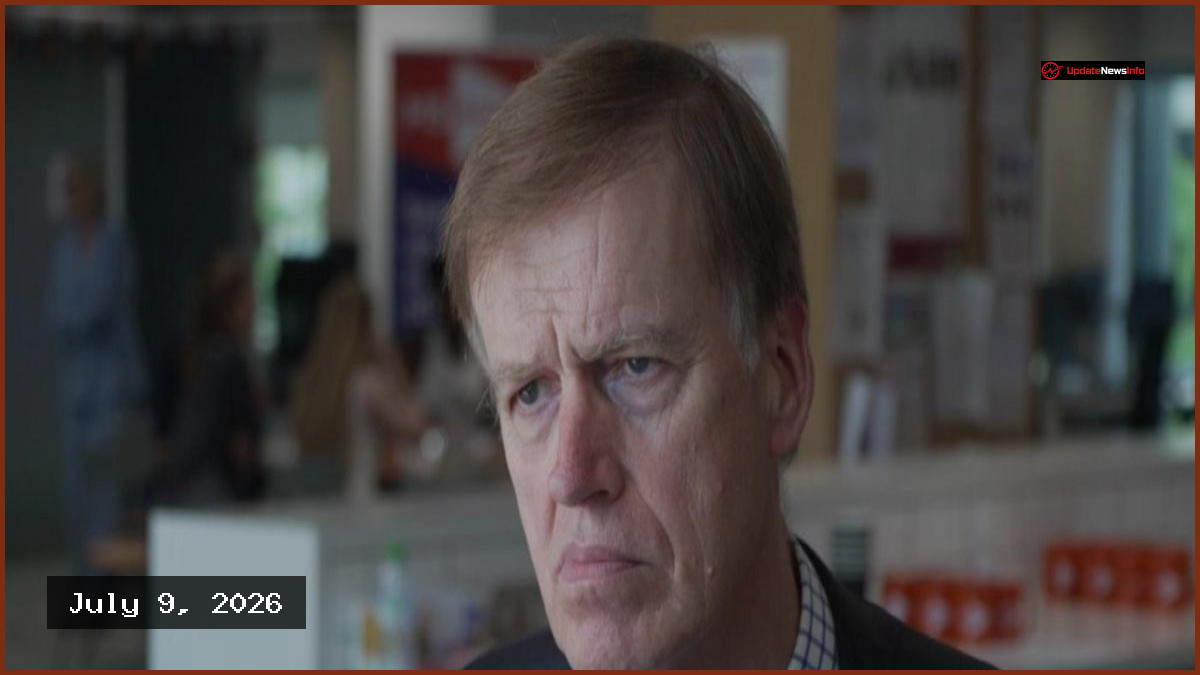
Sir Stephen Timms, the minister overseeing a review of Personal Independence Payments (PIP), has stated that the upcoming recommendations will not involve crude proposals to reduce claimant payments. While the interim review concludes that the current system is not fit for purpose and requires fundamental change, Sir Stephen assured that any future adjustments would be carefully considered.
The review, commissioned by Prime Minister Sir Keir Starmer following a failed attempt at welfare reform last year, is scheduled to deliver its final recommendations in the autumn. As of April this year, there were approximately four million people entitled to PIP in England and Wales. The benefit, which supports individuals with long-term illnesses or disabilities, has seen a significant rise in recipients since its 2013 introduction, a trend increasingly driven by mental health claims.
Speaking to the BBC, Sir Stephen acknowledged that the fiscal sustainability of the benefit is a concern, with spending projected to exceed £41bn by 2030. However, he emphasized that the process would be thorough. He also noted that he expects the next government to see the process through, even as political leadership transitions. Potential successor Andy Burnham has previously stated in an interview with LBC last week that he would avoid crude cuts to benefit levels that just put people who are struggling in even worse poverty.
Claimants have described the current assessment process, which scores individuals from zero to 12 on daily tasks like dressing and preparing food, as demeaning and a barrier to employment. Steve Thomas, who has lived with multiple sclerosis for 12 years, shared his experience during a meeting with the minister at the MS Society. Thomas described the assessments as lacking knowledge of specific conditions and feeling as though claimants are being accused of attempting to cheat the system. Eligibility for PIP is determined through an assessment.
Sir Stephen admitted that the assessment system has failed to keep pace with modern understandings of health and disability over the last 13 years. He suggested that potential improvements, such as better training for assessors or reconsidering the appeals system, could ultimately serve as a more effective approach than simple cuts. The final report will be delivered in the autumn, and I’m not expecting it to contain crude proposals, Sir Stephen said. They’re going to be very well thought through proposals, thanks to this lengthy and very carefully considered exercise that we’ve gone through. The initial findings of the review are set to be published this Thursday.
Fearing MPs would vote down the welfare reforms, the government U-turned, saying it would not change Pip rules until it had time to consider the review's conclusions.
"We're certainly going to be looking fairly at how these decisions are being made, and the question of fiscal sustainability for the benefit is going to be a concern as we reach these decisions," Sir Stephen said.