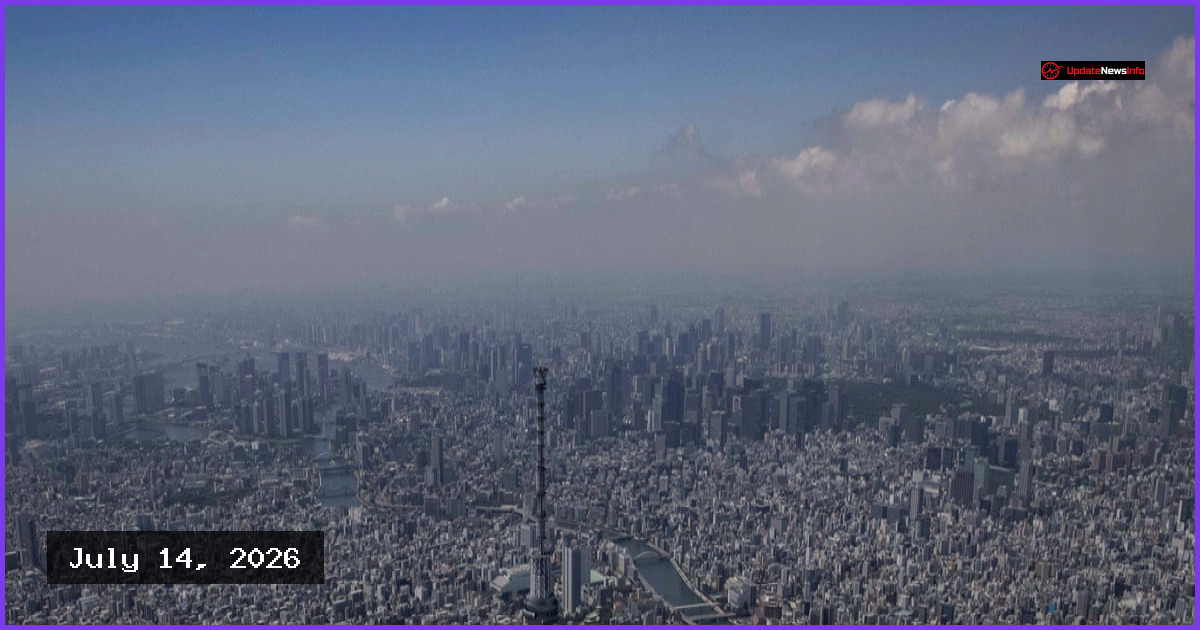
Japan has acknowledged a pressing need to improve its efforts to counter foreign intelligence operations following a recent investigation by the New York Times. The report characterized Japan as a burgeoning "den of spies" for Russia, alleging that Moscow has utilized the country as a primary center for both intelligence gathering and the acquisition of dual-use technology essential for its ongoing war in Ukraine.
Chief government spokesperson Minoru Kihara addressed the situation on Monday, stating that the government recognizes a growing requirement to counter foreign intelligence activities that threaten national security, particularly those involving the acquisition of critical information. While Kihara declined to provide a direct comment on the specific allegations made by the New York Times, he emphasized that Tokyo must address these security issues with "even greater rigour" due to a rapidly changing security environment.
The investigation highlighted that many Russian operatives relocated to Japan following the mass expulsion of intelligence agents from Western nations at the start of the full-scale invasion of Ukraine in 2022. These individuals allegedly exploited Japan’s flourishing tech sector and existing legal weaknesses, which were partly attributed to post-World War II constraints. The report further claimed that Russian operations in Japan are managed by an operative working undercover at the Tokyo office of the majority state-owned airline, Aeroflot. Furthermore, it cited Ukrainian government estimates suggesting that 90% of Russian drones and missiles currently contain Japanese-manufactured components.
Because direct exports to Russia are prohibited, these procurement networks reportedly rely on intermediary companies and third-party nations, including Vietnam, Uzbekistan, and Sri Lanka, to facilitate the transfer of components. Akihisa Shiozaki, a lawmaker from the governing Liberal Democratic Party and a former prosecutor of industrial espionage cases, expressed a "sense of crisis" regarding these activities. In response to these vulnerabilities, Kihara noted that the Japanese parliament has already approved legislation this year to establish a new national body tasked with coordinating the country's currently fragmented intelligence activities.