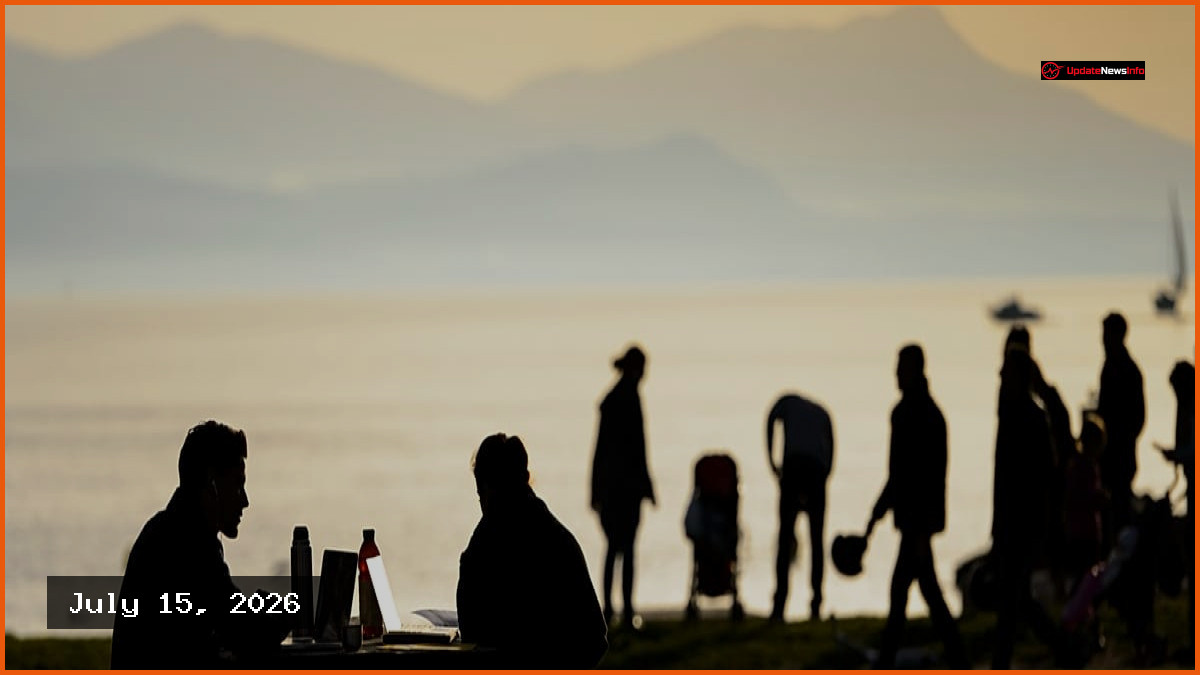
A recent survey has found that 80 percent of people in Switzerland view the coming year with confidence, suggesting that the nation remains resilient despite ongoing global crises. The study, commissioned by the insurance company Helvetia Baloise, gathered insights from 1,866 participants across both German- and French-speaking regions of the country.
Markus Bucheli, Head of Marketing & Market Communication at Helvetia Switzerland, noted that this widespread confidence does not exist in a vacuum. According to Bucheli, it flourishes in environments where individuals experience closeness, encouragement, support, and financial security. The data highlights a notable divide in sentiment, with residents of German-speaking Switzerland expressing higher levels of optimism compared to those in French-speaking areas.
Age also plays a significant role in individual outlooks. While 76 percent of respondents under the age of 50 feel confident about the near future, that figure rises to 86 percent among those aged 65 and older. Furthermore, the survey confirms a correlation between income and optimism, with financial resources becoming increasingly important to younger generations. Among Swiss residents earning less than 4,000 CHF per month, only 69 percent report looking to the future with confidence.
When asked about their primary life goals, 77 percent of participants identified aging in good health as their top priority. Approximately half of those surveyed expressed dreams of traveling or embarking on a trip around the world. In terms of what provides the most confidence, friendships, love, family, and health were cited by around 50 percent of respondents as the most important factors. For those aiming to start a family, 81 percent believe they will successfully achieve this goal or have already done so.
Despite this general sense of optimism, many residents still face concerns. Aging in good health remains the biggest worry for 45 percent of people, while 43 percent identified potential issues regarding financial prosperity. Lack of financial resources, along with uncontrollable factors like fate and health, were viewed as the primary obstacles to reaching personal life goals.
The findings follow a June referendum in which Swiss voters rejected an anti-immigration initiative led by the SVP, with strong opposition coming from cities and French-speaking regions. This suggests that while concerns exist, they do not necessarily manifest as a lack of confidence in the country's collective future.