In Germany, the months of July and August are often referred to as the Sommerloch, or "summer hole." This period, when parliaments enter recess and the public goes on holiday, frequently leads to a scarcity of traditional hard news. Known as the Saure-Gurken-Zeit—or "sour pickle time"—this phenomenon mirrors what is called the Silly Season in Britain or the slow news cycle in the United States. During these doldrums, peculiar stories that might otherwise be ignored are elevated to front-page material.
Germany has refined this concept by identifying a specific sub-category known as the Sommerlochtier, or "summer-hole animal." These creatures are often portrayed as escape artists, romantic heroes, phantoms, or even menaces. While stories like that of Timmy the Whale, which involved a €1.5 million rescue effort and intense national debate, fit the narrative of a Sommerlochtier perfectly, they sometimes occur outside the traditional summer window, as Timmy’s saga unfolded during the spring.
The tradition of the Sommerlochtier is perhaps best exemplified by the story of Sammy, an 80-centimetre pet caiman. After his owner made the decision to take him for a walk on a leash, the reptile escaped into a quarry lake in Dormagen, near Neuss. The press quickly transformed the narrative from a missing exotic pet into a hunt for an "aquatic apex predator." Media outlets descended on the area, hunters prepared for a potential confrontation, and swimmers remained on high alert for the reptilian threat. After five days of national hysteria, a diver captured the animal with his bare hands, revealing that the "monster of the deep" was merely the length of a skateboard.
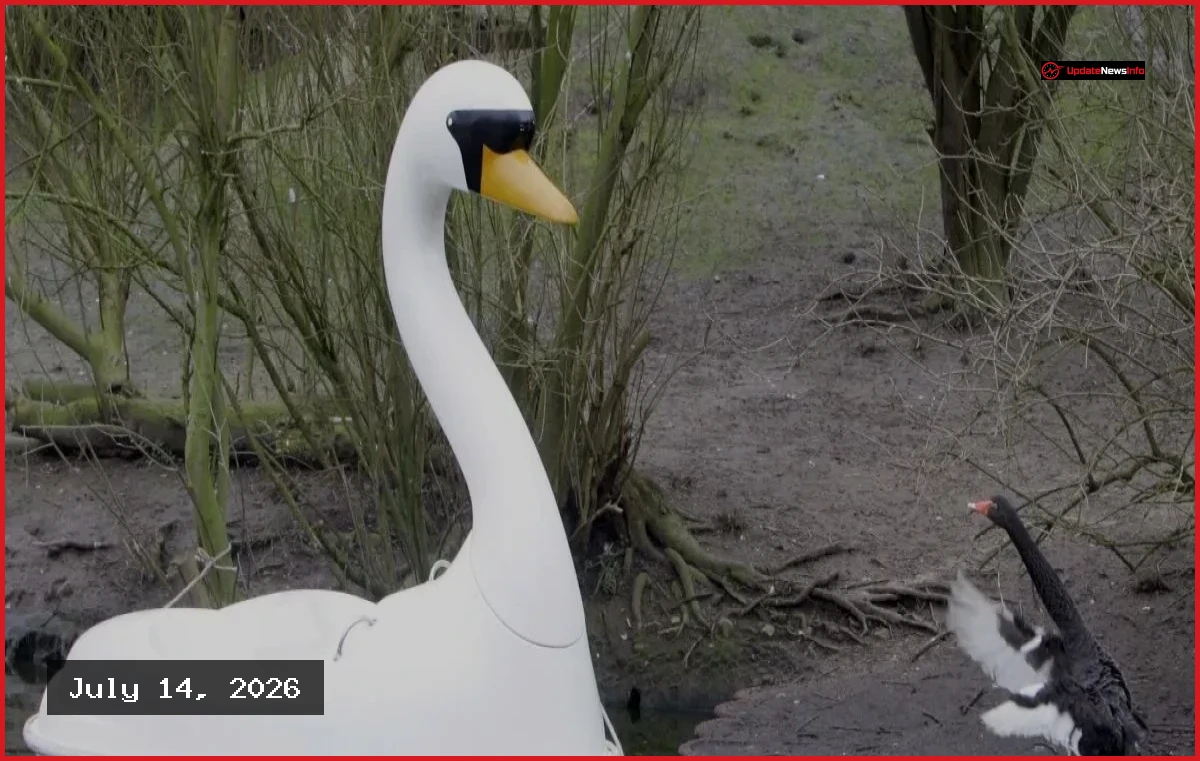
Whether these stories result in tragedy or a happy ending, they serve as a reflection of both human curiosity and the pressures of editorial cycles. From runaway caimans to lovestruck swans and lions that turn out to be wild boars, these tales have become a unique art form in German media.