The ongoing Ebola virus outbreak in Africa is substantially more widespread than official records indicate, according to a warning issued by the World Health Organization (WHO) on Tuesday. While current statistics account for nearly 2,000 infections and over 700 deaths, the UN health agency suggests the true scale of the crisis could be at least two to four times greater than these figures reflect.
The outbreak is primarily concentrated within the Democratic Republic of Congo (DRC), specifically impacting Ituri Province in the northeast, as well as the neighboring North Kivu and South Kivu provinces. Additionally, 20 confirmed cases of the virus have been detected in neighboring Uganda. During a media briefing in Geneva, WHO emergencies director Chikwe Ihekweazu noted that many cases are currently unrecorded, complicating efforts to contain the spread.
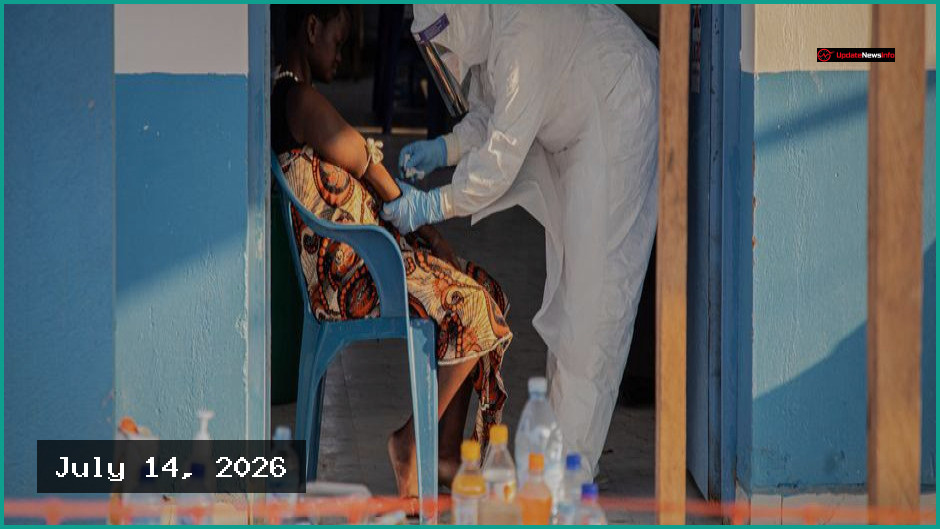
Ihekweazu, who recently returned from a week-long visit to the DRC, expressed concern that the virus's transmission in affected regions continues to outpace the response efforts of national authorities, international partners, and the WHO itself. Perhaps the most alarming finding is that many newly reported cases are individuals who died in their communities, without ever reaching a health facility and receiving care, Ihekweazu said. To improve survival rates, the WHO is working to combat myths surrounding hospital treatment, emphasizing that patients who receive care—including intravenous fluids to prevent dehydration and oxygen for respiratory support—have better outcomes.
Financial constraints remain a significant hurdle in the fight against the disease. The WHO has received less than half of the $115 million (approximately €100 million) required to address the outbreak during its first six months. Ihekweazu stressed that the DRC cannot be expected to manage this burden alone and called for resources that match the severity of the challenges faced on the ground.
In response to the escalating situation, various nations have implemented travel restrictions. The United States announced on Monday that American citizens currently in the DRC will be unable to return home via commercial flights and must spend at least 21 days in a third country before travel. Furthermore, non-citizens who have recently visited the DRC, Uganda, or South Sudan are currently prohibited from traveling to the US. While the Bundibugyo strain of the virus was originally discovered in Uganda, there is currently no vaccine or cure for the often-deadly disease. Don't let the algorithm hide the news. If you rely on our team for trusted reporting, please take a moment to select us as your Preferred Source on Google, so you'll always see our verified news first.
To view this video please enable JavaScript, and consider upgrading to a web browser that supports HTML5 video
Countries around the world are implementing travel rules to prevent the virus from entering their borders.