A recent proposal originating from Spain has reignited the contentious debate surrounding common European Union debt. The plan suggests that Brussels should borrow as much as €850 billion every year to stimulate economic growth, a move that has highlighted deep-seated divisions among member states. While a coalition of southern nations, including France, supports increased joint borrowing to bolster competitiveness, a bloc of northern, more frugal countries remains firmly opposed, advocating instead for fiscal discipline and stricter regulatory rules.
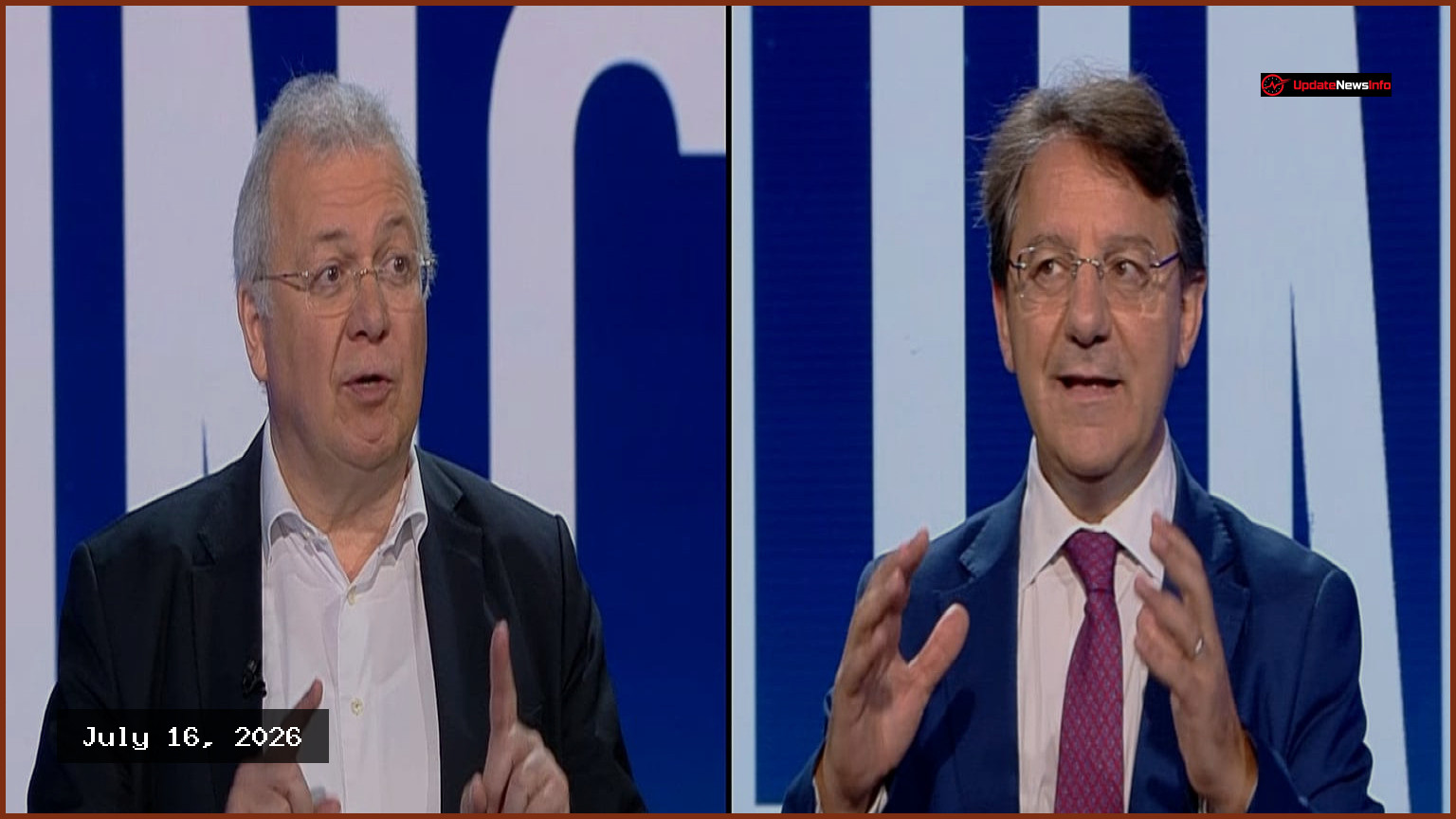
This policy disagreement was the focal point of a recent episode of the debate show The Ring, which featured two MEPs representing the opposing viewpoints. Markus Ferber, a German Conservative, expressed strong opposition to the plan. He argued that increasing the debt burden would place undue pressure on public finances without addressing the underlying causes of Europe's sluggish growth. Ferber emphasized the need for structural spending reforms rather than more borrowing. Furthermore, he warned that because the EU is currently looking to delay repayments on its previous Covid-era joint debt—the Next Generation funds—global markets would lack the confidence to trust the bloc with additional borrowing, likely resulting in high interest rates.
In contrast, Pasquale Tridico, an Italian MEP from the Five Star Movement, defended public debt as a vital instrument for economic expansion. He argued that the expansion of such tools is necessary for a well-functioning economy, stating that the issue is one of economic logic rather than just solidarity. Both MEPs acknowledged the existential threat posed to European industry by global competition, particularly from Chinese industrial overcapacity. They noted that heavy-handed state subsidies from Beijing are flooding the EU market with cheap exports. While the EU executive is currently weighing its response and has set an October deadline for tangible results in talks with China, Ferber criticized the current approach. He contended that the EU is underperforming because it fails to leverage the Single Market, claiming that internal barriers within the bloc effectively function as a 45% tariff on trade.