Newly surfaced internal documents have provided a rare look into the operations of Copa Cogeca, Europe’s most powerful farming lobby, revealing how the organization systematically delayed, weakened, and overturned significant EU agricultural reforms. Representing 22 million farmers, the group often enjoys close relationships with EU lawmakers, sometimes being described as a “partner in policymaking.”
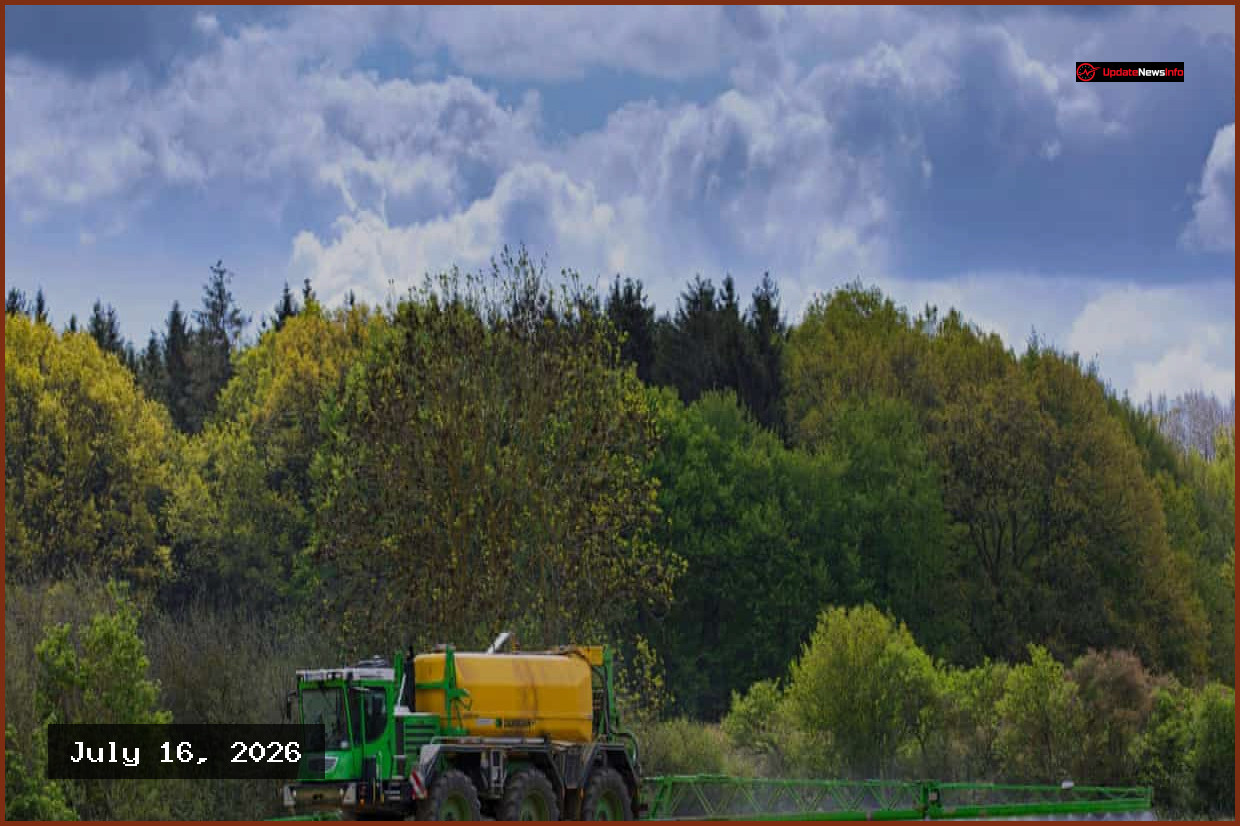
When the European Union initiated radical farming reforms in 2020 to address climate change and biodiversity loss, Copa Cogeca established a strategic lobbying plan in February 2021. Internal meeting notes indicate that the organization viewed certain animal products, such as foie gras and fur, as needing defense similar to the tobacco industry. Regarding the EU's goal to halve pesticide use, the group employed a strategy of delay and pressure. A September 2022 internal note suggested stalling until the 2024 European parliament elections, aiming to force the European Commission to abandon its objectives. Their pressure led the Commission to conduct a new impact assessment, which delayed the policymaking process by six months. Furthermore, they successfully pushed for the continued use of glyphosate and bee-harming pesticides, urging members to pressure national governments to renew licenses.
Thomas Waitz, a Green MEP from Austria, criticized the organization for acting in the interest of large agrichemical multinationals rather than small and medium-sized farmers. By February 2024, the pesticide regulation was withdrawn, meeting the lobby's goal of stalling until the elections. The organization also targeted financial support for red meat, successfully lobbying to weaken health-related restrictions on EU promotional funding for processed meat products. In another instance, internal memos from 2022 show that lobbying efforts resulted in the threshold for industrial farm definitions being raised by 50% before proposals were even released, an analysis suggested this change cost the public €1.8bn annually in health benefits.
While Copa Cogeca publicly debated animal welfare, internal meetings revealed a different perspective; in 2021, an official noted that the industry could phase out caged farming immediately with financial support, yet the group’s official lobbying position demanded a 15-year transition. Similarly, the group spent years campaigning to strip wolves of their protected status under the Habitats Directive, a move finally achieved in June 2025. Following this victory, internal documents show the organization began identifying other animals and birds to target next.
Despite multiple requests for comment, Copa Cogeca did not respond to inquiries. A spokesperson for the European Commission maintained that its decisions are made on Europe’s terms and in the European interest.
Exclusive: High-level documents show how Copa Cogeca worked to weaken legislation to protect climate and wildlife
Controversial animal products – such as foie gras and fur – would be defended, Copa Cogeca’s then secretary general, Pekka Pesonen, told members, “in the same way as tobacco”.