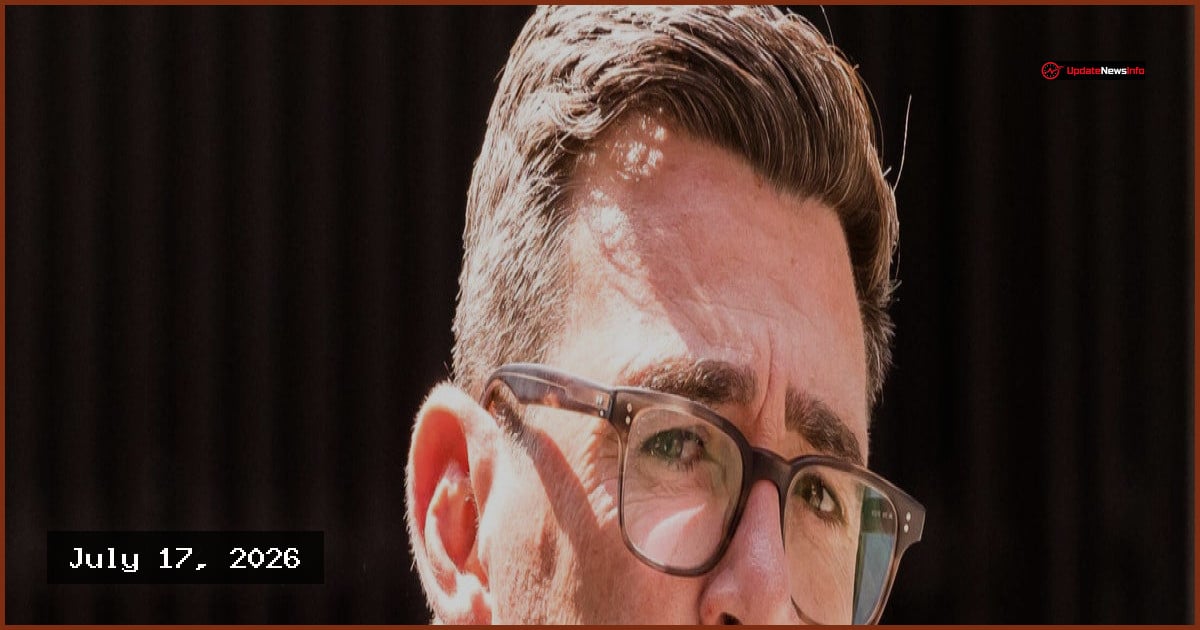
Andy Burnham was officially declared the leader of Britain's governing Labour Party on Friday, marking the final step before he assumes the role of prime minister next week. The center-left party confirmed the leadership result, which saw Burnham running as the sole candidate to replace outgoing Prime Minister Keir Starmer. The outcome was widely anticipated after Burnham secured nominations from 379 of the 403 Labour lawmakers in the House of Commons by Thursday night.
In his first speech as the new leader, Burnham expressed his readiness for the role, stating, "We're going to give them hope back. This is a proud moment you have given me and my family today, and an emotional one, but it is one for which I am ready." Keir Starmer, who faced significant pressure to step down following poor local election results in early May, will remain prime minister until Monday. On that day, he is scheduled to formally tender his resignation to King Charles III, who will then invite Burnham to form a government.
Burnham, the former mayor of Greater Manchester, has spent the last few weeks as a prime minister-in-waiting. Since winning a special parliamentary seat one month ago, he has advocated for a political approach focused on unity and hope, alongside an economic strategy aimed at spreading growth across the nation. Despite his impending transition to Number 10 Downing Street, Burnham remains relatively unknown to voters outside of Manchester, having conducted few interviews and no formal press conferences.
As the U.K.'s seventh leader since 2016, he is noted for a more relaxed communication style compared to the rather stern Starmer, and is widely regarded as one of the Labour Party's best communicators. However, he inherits a challenging landscape, including a sluggish economy, overstretched public services, and a cost-of-living crisis exacerbated by global conflicts in Ukraine and the Middle East. Outlining his vision, Burnham’s office indicated he plans to demonstrate the "courage to fix the big things that politics has neglected."
His priorities include economic renewal, the creation of modern industrial jobs, and increased public control over key sectors. He has argued that Britain took a series of wrong turns in the 1980s, a decade when Conservative Prime Minister Margaret Thatcher oversaw policies of privatization, deindustrialization, and political centralization that transformed the U.K. economy. Furthermore, in a social media video posted late Thursday, he stated he would make a priority of tackling the patchy access to social care for those who need it due to age, illness, or disability—a pressing issue that has challenged previous governments.
Burnham has also previously expressed concerns regarding international stability, specifically criticizing President Trump. During a June campaign event, he warned against the "poisonous politics" seen in the United States, where people in communities no longer work together. Last year, in an interview with The London Economic, he suggested that the instability once brought to Britain by former prime minister Liz Truss is currently being mirrored by Mr. Trump on a global scale.