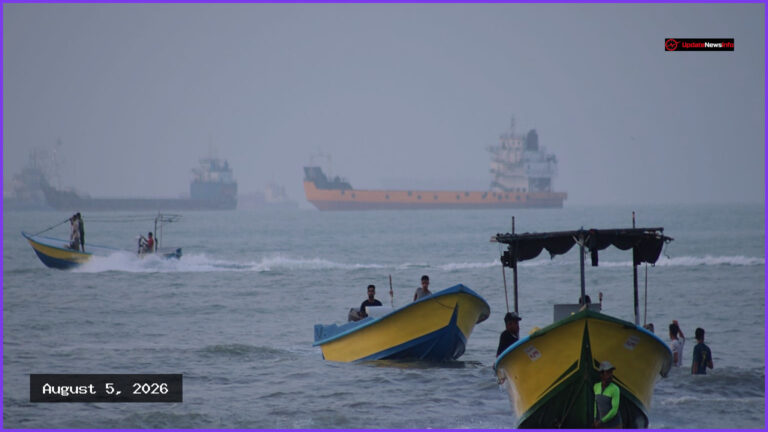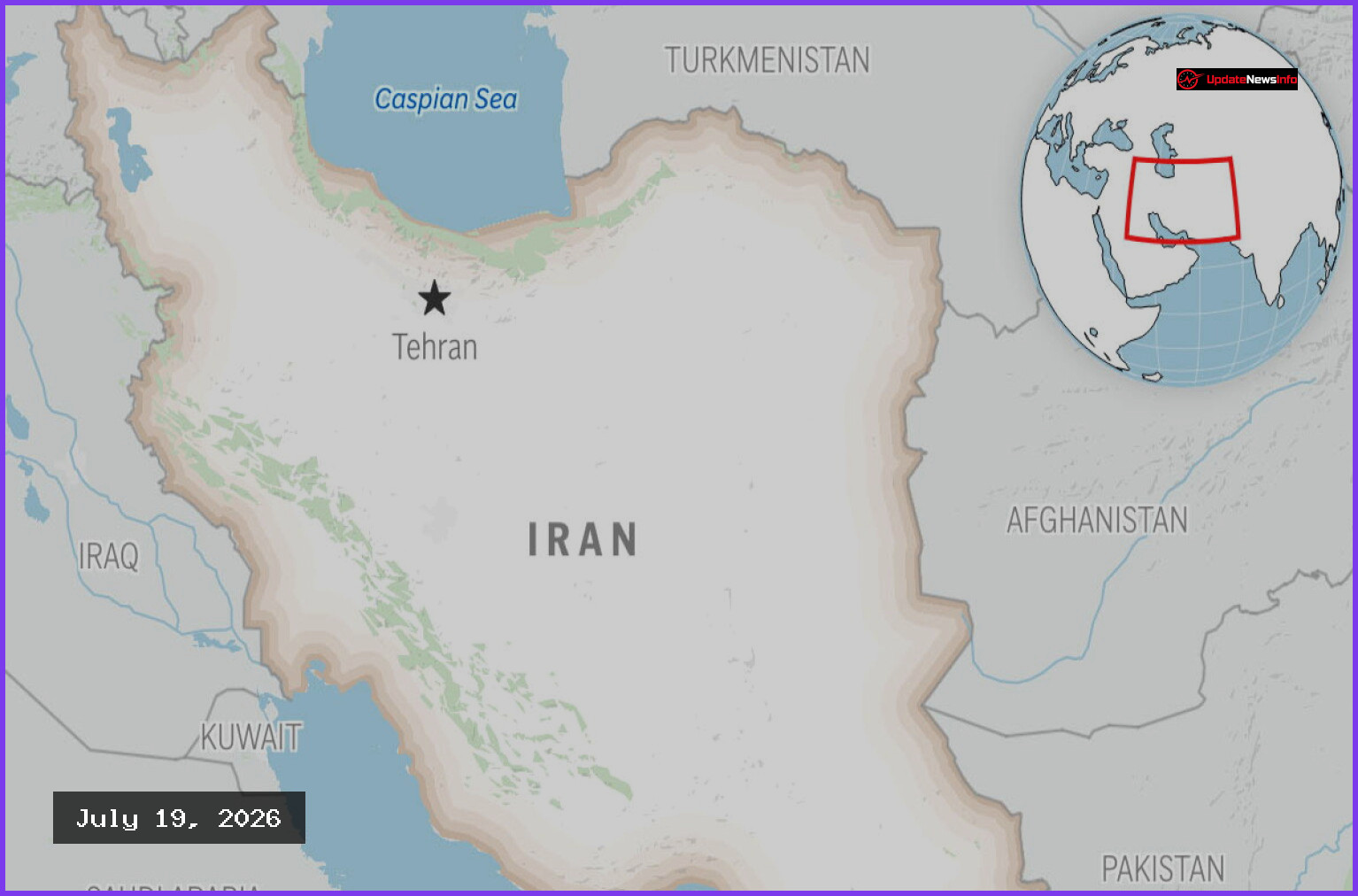
The U.S. military conducted new airstrikes against Iran on Sunday, stating the action was to "swiftly punish" the country’s Revolutionary Guard for an attack in Jordan that killed two American service members, left one missing, and resulted in four requiring hospitalization. The strikes were designed to further degrade Iran’s ability to restrict the traffic of oil tankers through the Strait of Hormuz, according to U.S. Central Command. This waterway was responsible for approximately 20% of global oil supplies prior to the ongoing war.
Since the conflict began, 16 U.S. service members have been killed and over 430 wounded. An area near Sirik, on the Strait of Hormuz, was targeted around 1:30 a.m. local time, Iran’s state-run IRNA news agency reported, citing local authorities in southern Hormozgan province. A location near Hajiabad, also in Hormozgan province, was targeted, and explosions were heard in Bandar Abbas. Iran’s state-run broadcaster, IRIB, reported that an area near Qeshm Island, within the strait, was also targeted.
In neighboring Iraq, a base belonging to the Kurdistan Freedom Party, an Iranian Kurdish dissident group, near Irbil was struck by a drone early Sunday, wounding eight of its members, according to Rebaz Sharifi, a military official with the group. Residents of Irbil also reported hearing explosions from air defenses early Sunday. Irbil has experienced multiple drone attacks in the past four days, coinciding with a visit by new Iraqi Prime Minister Ali al-Zaidi to Washington and the escalating U.S.-Iran conflict.
No group has claimed responsibility for the attacks in Iraq, but Iran and Iran-backed Iraqi militias have previously launched attacks in the Kurdish region, where U.S. troops and armed Iranian dissident groups are present. Minutes before the U.S. announced the troop deaths earlier Saturday, Iran’s supreme leader warned of "unforgettable lessons" if the U.S. continued to attack the Islamic Republic. Supreme Leader Ali Khamenei warned of "lessons" not only from Iran but also from its armed proxies, referred to as the "Axis of Resistance." The U.S. subsequently issued a global travel alert due to the rising tensions.
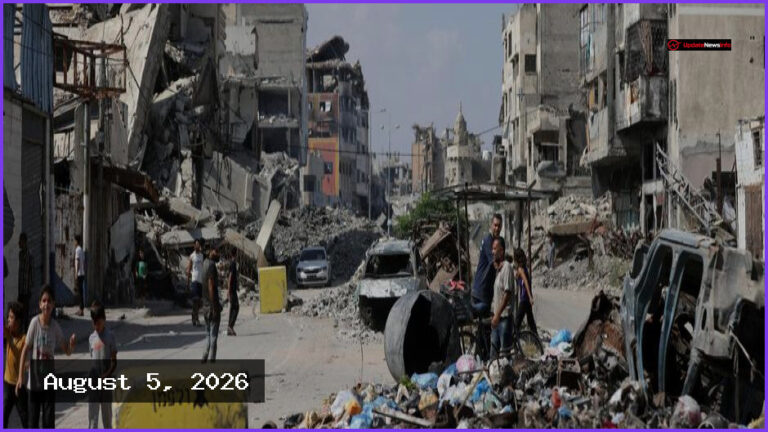
The battle has largely centered on control of the Strait of Hormuz. The expanding strikes now pose risks to civilians and infrastructure, including desalination plants crucial for drinking water, and have placed the global economy on alert. There have been no new updates on mediation efforts.
The previous recorded death of a U.S. service member was a helicopter pilot who crashed in the Arabian Sea earlier this month. Earlier in the war, an Iranian drone strike on a command center in Kuwait killed six soldiers. One soldier died following an attack on a base in Saudi Arabia, and six were killed when a refueling aircraft crashed in Iraq.
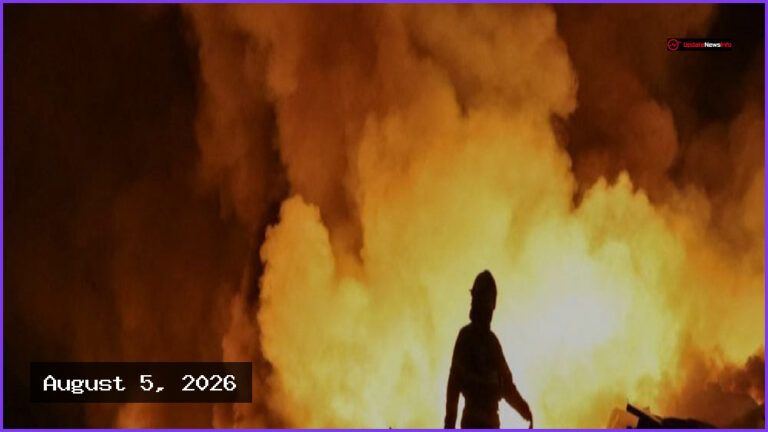
On Saturday, the most significant damage from Iranian strikes occurred in Kuwait, where a water desalination plant and an oil facility were hit, according to Kuwaiti authorities and the Kuwait Petroleum Corporation. This was the second attack against a desalination plant in Kuwait in two days; the nation relies on desalination for 90% of its drinking water. The strikes injured several people at the oil facility and caused a fire at the desalination plant, forcing several power generation units offline. Kuwait briefly closed its airspace due to missile threats, and Kuwait Airways rescheduled most flights.
Meanwhile, Iraq reported shooting down attack drones over Irbil. Jordan’s state-run Petra news agency stated that the kingdom’s air defense systems downed Iranian missiles, while air sirens sounded multiple times in Bahrain and Saudi Arabia. The secretary general of the six-nation Gulf Cooperation Council, Jasem Mohamed al-Budaiwi, accused Iran of war crimes for its strikes on infrastructure and civilian facilities.
U.S. Central Command stated early Saturday that its seventh consecutive night of strikes targeted "surveillance sites, military logistics infrastructure, underground weapons storage, and maritime capabilities." Iranian state TV reported that U.S. airstrikes hit an electricity and desalination plant in Iran’s southern Hormozgan province. IRNA reported that the Bonji desalination plant was destroyed, cutting off water supplies to about 10,000 people, and a desalination plant on Qeshm Island was damaged.
Overnight strikes also damaged two tunnels and a bridge, disrupting a main highway toward Bandar Abbas, Iran’s main port near the narrowest part of the strait, according to IRNA. IRNA also reported that three bridges were hit on Saturday, including one on a route to Bandar Abbas. Iran acknowledged "attacks on power infrastructure" during U.S. airstrikes for the first time on Friday, with its Energy Ministry urging reduced power usage in southern provinces experiencing "extreme heat."
Iranian authorities have stated that at least 50 people have been killed and over 500 wounded in U.S. strikes over the past three weeks, including eight killed in a strike on a bridge Friday. Iran effectively closed the strait to shipping traffic after the war began with U.S. and Israeli strikes on Feb. 28, giving Tehran significant leverage. Iran asserts that the strait must be under its sole control and that vessels should pay fees, despite it being an international waterway for decades. Iran has fired on ships in recent days, causing transits to fall to a three-week low, according to an international shipping tracker.
Former President Trump has resumed threats to target Iran’s power stations and bridges to compel Tehran to ease its control. The U.S. reimposed a naval blockade on Iranian ports in the past week to halt crude oil shipments, and the military reported redirecting five ships and disabling one since then. Before the war, the U.S. had been in talks with Iran over its nuclear program. Trump now faces political pressure to end the war and avoid a prolonged Middle East conflict.