Norma last saw her 31-year-old son in late January at an airport in Lima, Peru. He had secured a position as a cook for the Russian army through a social media advertisement, believing he would be far from the Ukraine war while earning a good income and potentially gaining Russian citizenship. Although Norma felt intense anxiety because her son had never been abroad or handled a weapon, he insisted he was only going to work as a cook. That encounter was the last time she saw him.
Her suspicions were confirmed when he began sending her videos showing him in combat gear, digging trenches, and building bunkers alongside other foreign fighters in a forest in Ukraine. These men are part of a growing number of Peruvians allegedly drawn into the Russian military by recruiters promising lucrative employment, only to face the realities of the front lines. By early April, the videos stopped after her son mentioned being punished by a commander for misbehavior. She has not heard from him since and holds onto the hope that he is merely hiding.
As the conflict continues, Russia has increasingly relied on recruiting foreign fighters from developing nations by offering significant financial incentives. Reports from February indicated that men from various African countries were similarly misled, promised civilian roles like drivers or security guards, only to be forced to sign Russian-language contracts and deployed into combat with minimal training. Kenya has officially described this pipeline as a human trafficking ring, and Nepal has banned work-related travel to both Russia and Ukraine following the recruitment of thousands of its citizens.
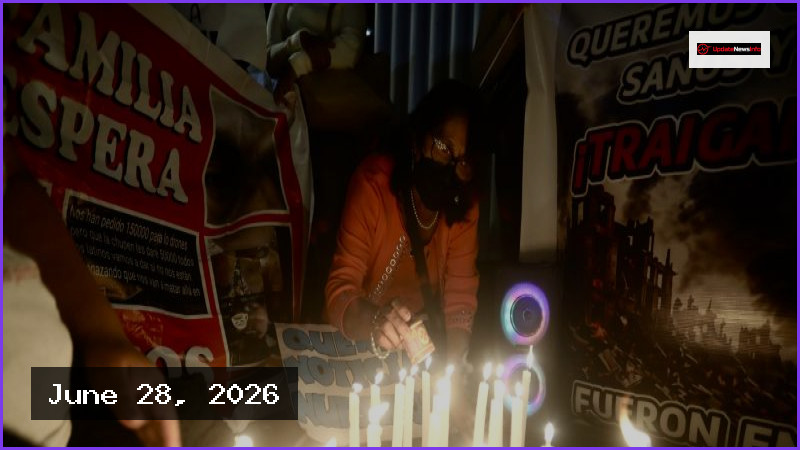
Twelve families in Peru have been protesting outside the Russian embassy in Lima and the Peruvian Foreign Affairs Ministry to demand information on their relatives. According to Pedro Bravo of the Peruvian Foreign Ministry, many recruits are from impoverished backgrounds, making them easier targets for deception. One woman, Rosa, described how her 48-year-old husband traveled to Russia hoping to work as a security guard. WhatsApp messages with a recruiter nicknamed “Vizio” showed he had agreed to a one-year contract for the Russian Federation, but he soon messaged Rosa saying, “I think they’ve brought us to war. This is hell.” After describing constant drone attacks and starvation, he disappeared following an order to collect his weapons on March 26. While some fellow troops claimed he died in a strike, Rosa remains hopeful he is alive.
The Peruvian government is currently investigating these recruitment tactics as “human trafficking.” Attorney Percy Salinas, who represents several affected families, shared a copy of a prosecutorial order documenting 36 complaints regarding citizens deceived by false job offers abroad. Salinas estimates that at least 800 Peruvians are currently fighting for Russia, often lured by the promise of a $20,000 signing bonus and monthly salaries of $3,000 or $4,000, which many never receive. The Peruvian government has submitted at least 247 requests to Moscow demanding the return of their nationals, though the Russian Embassy has stated it respects the decisions of foreign citizens to participate in its defense.
Guillermo, a 28-year-old Peruvian army veteran currently in occupied Ukraine, shared his own experience after being recruited to work as a security guard in Moscow. He claims his phone was confiscated and he was forced to sign an unreadable contract in Russian. Now injured and abandoned without proper medical care or food, Guillermo stated he feels there is no way out of the conflict, noting that his friend was killed in combat the month prior. Despite government efforts, officials like Bravo admit that once these men sign military contracts and reach the front lines, the ability to facilitate their return is severely limited.