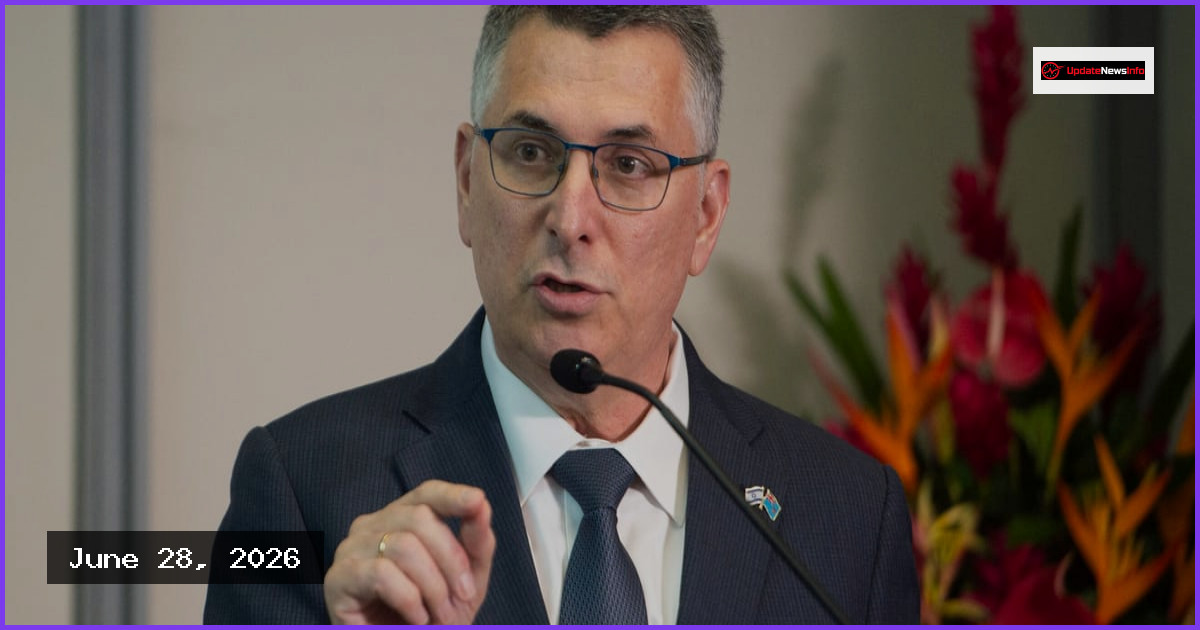
In a unanimous cabinet decision this past Sunday, the Israeli government moved to formally recognize the Armenian genocide. The decision surfaces against a backdrop of deteriorating diplomatic relations between Israel and Turkey. During the meeting, Israeli Foreign Minister Gideon Sa’ar noted that despite clear and documented historical evidence, the Armenian genocide remains the focus of institutionalized denial and historical revisionism, which he attributed primarily to the Turkish government.
Minister Sa’ar further stated that it is widely accepted that the Ottoman Empire systematically carried out crimes amounting to genocide with the explicit goal of annihilating the Armenian people. Historical records indicate that approximately 1.5 million Armenians lost their lives between 1915 and 1923. While Turkey has steadfastly denied these characterizations, more than 30 nations, including the United States, France, Germany, Syria, and Lebanon, have already formally recognized the mass killings as genocide.
This resolution arrives at a time when the formerly strong relationship between these two regional powers has soured significantly. The rift intensified following the war in Gaza, which began after Hamas militants attacked Israeli civilians on October 7, 2023. The conflict, which has resulted in the deaths of over 73,000 Palestinians, has led Turkish President Recep Tayyip Erdoğan to accuse Israel of genocide—a charge Israel has consistently rejected.
Responding to the vote, Turkish Vice President Cevdet Yılmaz described the resolution as an attempt by Israel to obscure its own actions. However, Minister Sa’ar maintained that the vote was not a retaliatory measure for the current hostility and rhetoric directed toward Israel by Erdoğan’s administration. He emphasized that the Turkish government’s promotion of false narratives against Israel does not exempt it from facing historical truths.