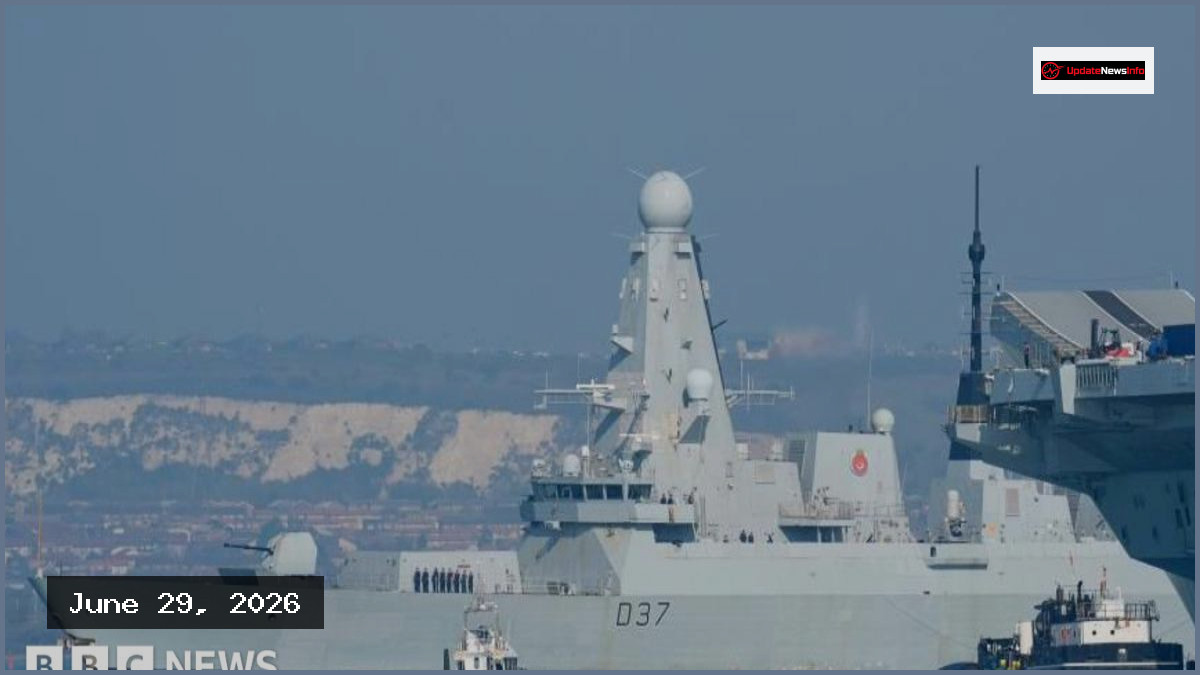
The British government plans to abandon the development of a replacement fleet for its ageing destroyers in favor of building at least six advanced hybrid vessels designed for modern drone-based warfare. The Ministry of Defence (MoD) indicated that these new ships are considered a superior investment compared to maintaining a small inventory of large, costly vessels, arguing they better address the speed and requirements of modern combat environments.
Defence Secretary Dan Jarvis stated that the new equipment will be built to specifically counter rising international threats. Outgoing Prime Minister Sir Keir Starmer has pledged that the long-awaited defence investment plan (DIP) will be released prior to the Nato summit in Turkey scheduled for 7 July, following lengthy deliberations regarding funding strategies.
Previously, the MoD had considered building the Type 83, a concept vessel intended to replace the Navy’s existing Type 45 destroyers. Instead, resources will now be directed toward six new Common Combat Vessels. The department emphasized that these ships will possess the capability to manage uncrewed systems across air, sea, and underwater domains, providing improved air defense capabilities. Officials noted that this strategic shift will increase the Navy’s operational reach and firepower without requiring a proportional increase in personnel or overall costs.
While the government did not disclose the specific funding allocated for these vessels within the DIP, it confirmed they would be utilized for missions such as monitoring Russian activity in the North Atlantic and High North, safeguarding underwater infrastructure, and bolstering Nato deterrence efforts. This maritime program is described as a generational investment that is expected to create significant opportunities for British shipyards.
Recent months have seen internal friction regarding the defence budget, leading to the resignations of former Defence Secretary John Healey and former Armed Forces Minister Al Carns. Both officials expressed concerns that the Treasury had failed to provide adequate funding to address military capability gaps. Healey remarked that the government had been unable to commit the necessary resources, while Carns described the draft DIP as lacking both vision and sufficient financial backing.
Since the change in leadership, the MoD reported that the DIP has been refreshed, with Dan Jarvis focusing on delivering advanced technology, including lethal strike drones, to front-line personnel. While Jarvis has reportedly secured additional funding, reports indicate it may not reach the £28bn previously requested by Healey. Additionally, the MoD announced that £500m will be directed toward the elite Commando Force to acquire new boats and autonomous technology.
The government maintains its target of raising defence spending to 2.5% of GDP by 2027, with long-term ambitions to reach 3.5% by 2035. Current Nato data shows UK spending at 2.3% of GDP for 2025. According to The Sunday Times, Andy Burnham, widely seen as the successor to Sir Keir Starmer, has reviewed and approved the DIP ahead of a potential leadership transition on 20 July.