From her home in Kentucky, Carmen Deulofeu manages to provide essential nourishment to her relatives 1,000 miles away in Havana with just a few clicks. Through platforms like Supermarket23, she secures items often missing from Cuban stores, such as kidney beans, powdered milk, and cooking oil. These delivery services—frequently dubbed “Cuban Amazons” and including brands like Cuballama, Mercatoria, and Katapulk—have become essential for the diaspora to support loved ones as the island’s economy continues to struggle under the weight of U.S. sanctions and domestic scarcity.
The shift toward these digital solutions began in 2018 when the Cuban government first permitted smartphone internet access. Since then, as millions of Cubans have emigrated, the reliance on these apps has spiked. For many, these services are not merely convenient but represent a vital survival strategy. While goods are sometimes more expensive than at U.S. retailers, the ability to bypass the severe local food shortages makes the cost necessary. In one instance, a $35 order can provide a Cuban family with items like smoked pork and eggs, delivered in a refrigerated package.
The scale of this trade is significant; in 2025, exports to Cuban small and medium enterprises reached $173.6 million. Even so, the system remains fragile. Some companies have faced hurdles, such as the recent closure of Envioscuba, following increased U.S. scrutiny regarding business connections to entities linked to the Cuban military. Entrepreneurs like Hugo Cancio of Katapulk have worked to distance their operations from state-controlled logistics to ensure their services remain available to the families who need them.
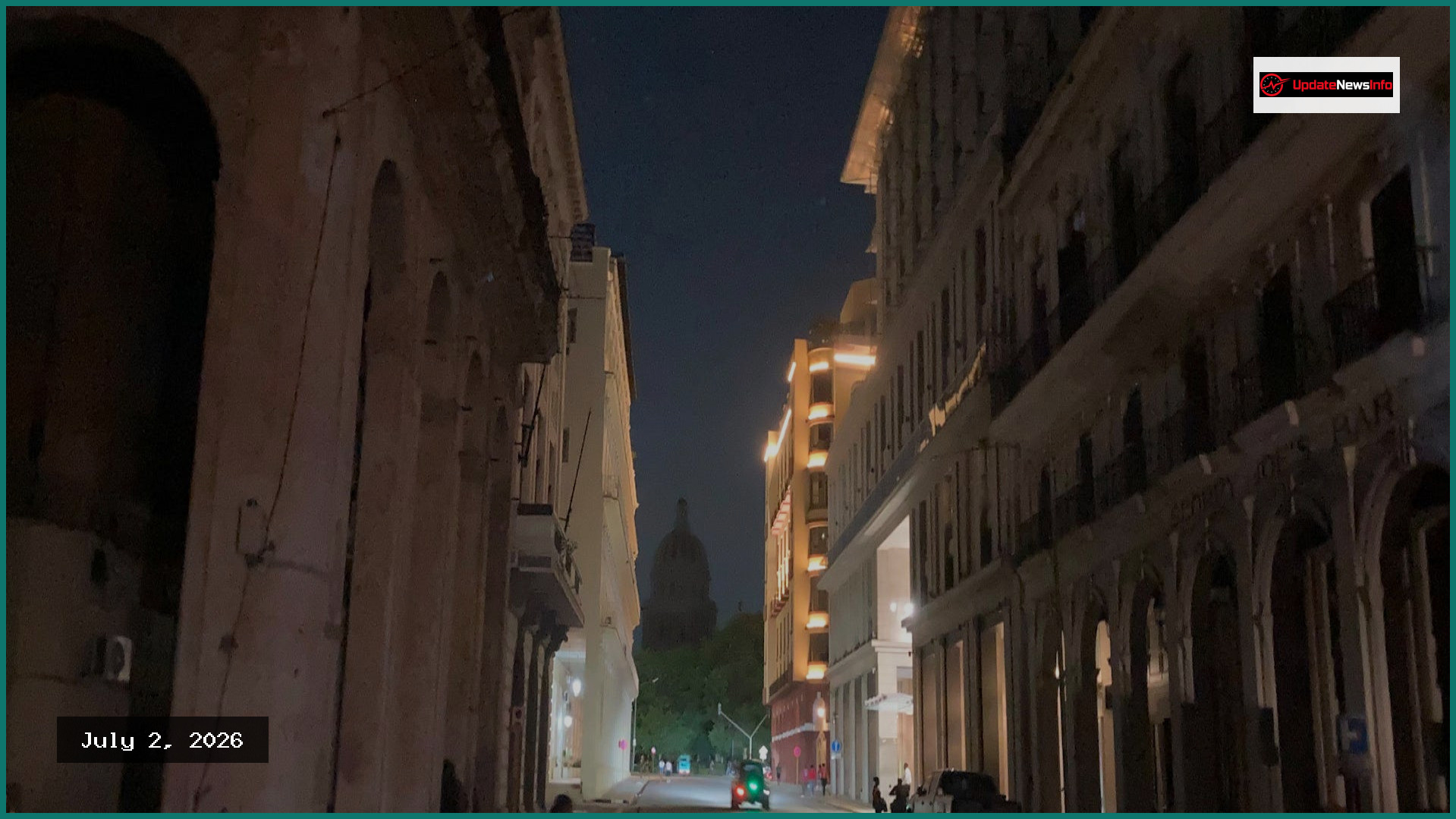
For recipients on the ground, these deliveries offer a rare moment of relief. Residents like Jorge Luis del Valle, who face persistent power outages and empty market shelves, find these services life-saving, though he notes that they remain inaccessible to Cubans without financial support from abroad. Industry experts view these platforms as a reflection of the private sector’s ability to fill voids left by state shortcomings, though they remain vulnerable to the shifting landscape of international politics and embargo regulations.