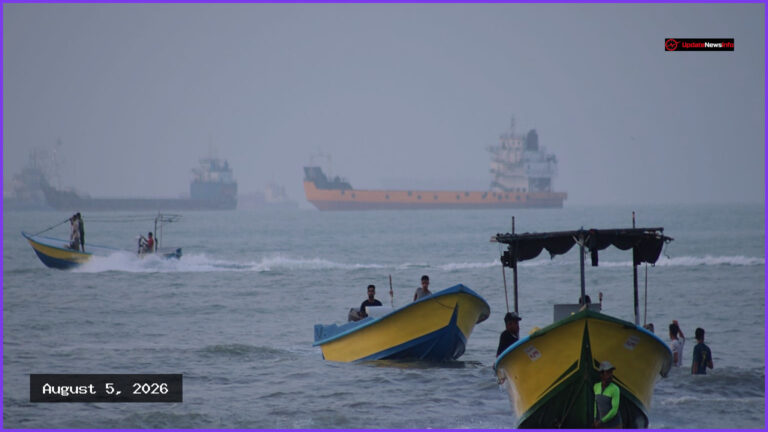
The United States military has significantly intensified its campaign against Iran, launching a series of airstrikes that spanned seven hours and struck dozens of targets, according to an announcement from the U.S. military’s Central Command on Wednesday. This military escalation coincides with the official reimposition of a U.S. naval blockade on Iran, a strategic measure taken in direct retaliation for Tehran’s recent attacks on commercial ships attempting to navigate the vital Strait of Hormuz.
Iranian officials reported that the American strikes resulted in the deaths of at least seven troops and left more than 260 people wounded across the country. Among the specific targets hit was a barracks belonging to Iran's 388th Mechanized Infantry Brigade, which operates tanks and armored vehicles, located in Sistan and Baluchestan province. Iranian state television reported that the Americans fired at least 13 missiles during that specific attack, with the casualties including both career soldiers and conscripts. Hossein Kermanpour, a spokesperson for the Iranian Health Ministry, noted that the overnight strikes caused a higher number of injuries than any previous round of violence in the ongoing conflict, which first began on February 28.
In response to the blockade and the intensifying airstrikes, Iran’s paramilitary Revolutionary Guard issued a stark warning on Wednesday, threatening to halt all energy exports originating from the Middle East. A statement from the group declared that the export of oil and gas from the region would be for everyone or for no one. Government spokesperson Fatemeh Mohajerani stated that more than 30 people have been killed in recent days, while state media reported that the Iranian army has vowed a decisive response to what it termed an aggressive action by the American enemy.
The ongoing conflict has significantly impacted global energy markets, with Brent crude oil, the international standard, trading above $85 a barrel on Wednesday. Although this figure remains below the $120 peak reached during the height of the current war, it represents a 15% increase since the conflict began. Since February 28, when the U.S. and Israel launched the war on Iran, Tehran has effectively closed the waterway to shipping traffic. This move has given Iran major leverage in negotiations and presents a significant political challenge for U.S. President Donald Trump and his Republican Party, who hope to retain control of Congress in the upcoming November elections.
The U.S. military has continued to press its advantage, with strikes occurring during daylight hours, an unusual shift that signals an increased operational tempo. President Trump indicated on the Fox News Channel on Tuesday night that more U.S. strikes against Iran would occur over the next two days, and he suggested that bridges and power plants could be targeted by next week unless negotiations resume. One bridge has already been struck by U.S. forces. While President Trump initially announced on Monday that he would impose a 20% fee on ships passing through the strait, he later abandoned the plan following requests from Persian Gulf allies who preferred to invest billions of dollars in the United States instead.
Regional tensions remain high as Iran continues to launch missiles and drones at neighboring Gulf Arab countries that host U.S. forces. Missile alerts were triggered in Bahrain and Kuwait on Wednesday, and Jordan reported successfully shooting down three incoming Iranian missiles. U.S. Navy Adm. Brad Cooper, who leads Central Command, confirmed that Iran had launched dozens of missiles and drones at neighboring Gulf Arab nations. Meanwhile, Amir Saeid Iravani, Iran’s ambassador to the United Nations, criticized the U.S. military actions, labeling the United States as the aggressor in a letter to the world body, according to the state-run IRNA news agency. Regional mediators are currently still attempting to bring the United States and Iran back to the negotiating table.