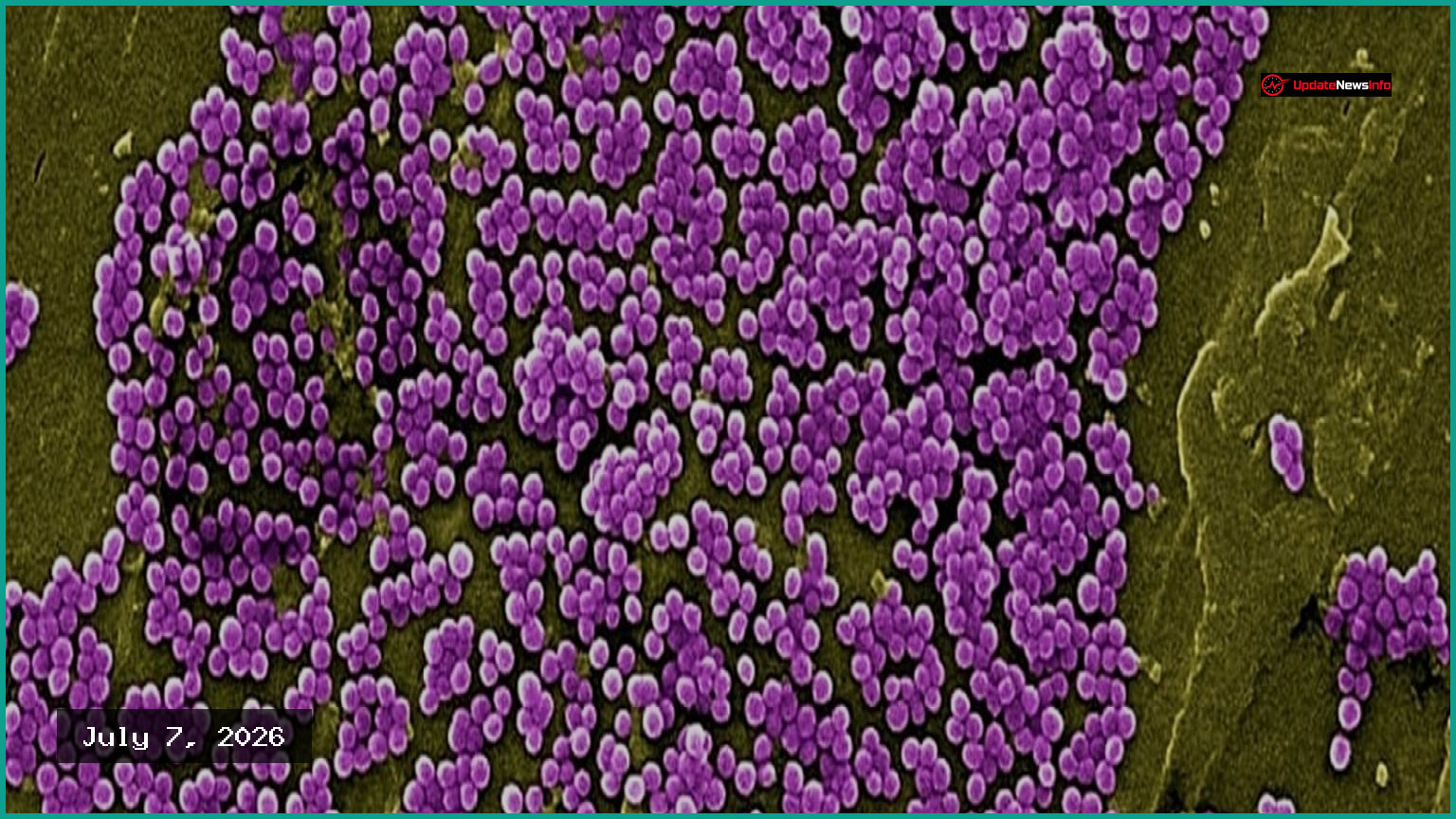
An international team of researchers has successfully identified a previously unknown biological mechanism that enables bacteria to break away from biofilms. These structured communities act as a protective shield, guarding bacteria against the human immune system and the effects of antibiotics. The findings, which were published in the journal Nature Microbiology, were achieved by studying a model bacterium and provide a new perspective on how to disrupt these resilient microbial colonies.
The study was led by scientists at the University of California San Diego, with collaboration from researchers at Pompeu Fabra University (UPF). The research highlights that specific bacteria are capable of producing a hydrogel that absorbs water, thereby creating significant internal pressure. This pressure acts as a mechanical force that expels cells from the interior of the biofilm, allowing the microorganisms to migrate and colonize new locations.
Biofilms are essentially organized groups of bacteria that reside within a self-produced, sticky layer. This protective barrier is a primary reason why many infections—particularly those associated with medical devices like catheters, prostheses, or slow-healing wounds—become chronic and difficult to treat. By understanding the dispersal process, scientists hope to develop novel strategies to combat such persistent infections.
Beyond identifying the mechanism, the research team demonstrated that they could manipulate this process in a laboratory setting. By artificially boosting the gel-driven expulsion, they successfully triggered the disintegration of biofilms without relying on antibiotics. While this represents a significant scientific advancement, the study authors emphasize that this work is currently limited to laboratory experiments and remains in the early stages, far from being a clinical treatment for human patients.