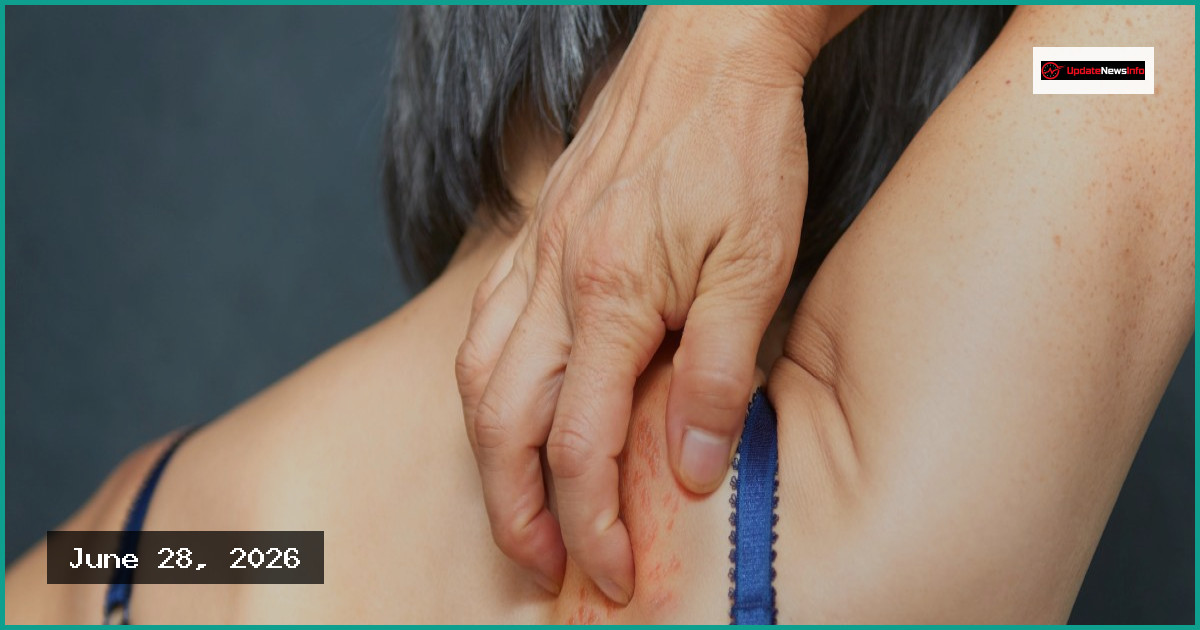
Emerging research indicates that the shingles vaccine may play a significant role in safeguarding older adults against the onset of dementia. While the exact biological mechanisms remain under investigation, experts point to the nervous system as a key factor in this relationship. Dr. Jennifer Pauldurai, medical director of the Inova Brain Health and Memory Disorders Program, explains that shingles—triggered by the reactivation of the varicella-zoster virus—can induce severe inflammation within the brain. As the virus persists in the peripheral nervous system, it leads to painful complications like postherpetic neuralgia, and this systemic stress can exacerbate underlying risks for cognitive decline.
A study published on June 16 in the Annals of Internal Medicine highlights the potential impact, suggesting that 1 in 17 dementia cases might be prevented through shingles immunization. Data from over 509,000 nursing facility residents aged 66 and older, collected between 2017 and 2022, revealed that patients who received at least one dose of the vaccine within a year of admission showed a 5.8% reduction in dementia risk over the following four years. Kaley Hayes, the study’s lead author and an associate director at Brown University, described these results as significant.
International findings support these conclusions. A study in Wales involving 282,000 older adults found a 3.5% reduction in dementia risk over seven years. Similarly, research from Australia and Canada, involving over 333,000 participants combined, linked vaccine eligibility to reduced dementia risks of 1.8% and 2% respectively. Experts like Dr. Timothy Chang of UCLA believe the vaccine may boost overall immunity, helping to curb neuroinflammatory processes that contribute to the accumulation of proteins linked to Alzheimer’s disease.
While shingles is also associated with heart disease and stroke, which can impact cerebral blood flow and cognitive health, the vaccine offers a preventative measure. In the United States, individuals aged 50 and older are eligible for the two-dose Shingrix vaccine, the current FDA-approved standard. Despite these findings, vaccination rates remain lower than desired, with only about one-third of U.S. adults over 50 having received a dose as of 2022. Pharmacies and health systems face the challenge of improving accessibility, as completion of the two-dose series is essential for full protection.
Although some studies suggest the neuroprotective benefits may be more pronounced in women than men, experts emphasize that the findings remain consistent even when accounting for potential lifestyle variables among health-conscious individuals. For many patients, the vaccine serves as a proactive step in a broader strategy to preserve long-term brain health and mitigate avoidable risks.