Spain is bracing for what is expected to be the most intense week of the summer as the State Meteorological Agency (Aemet) prepares for a significant surge in temperatures. The warming trend is set to begin this Saturday, with a noticeable intensification starting Tuesday, July 22. Current meteorological forecasts suggest that this extreme heat will persist at least until Thursday, July 23. Aemet officials have indicated that they may officially designate Monday as part of this heatwave period if incoming data confirms the trend, which would mark the third heatwave to hit Spain so far this summer.
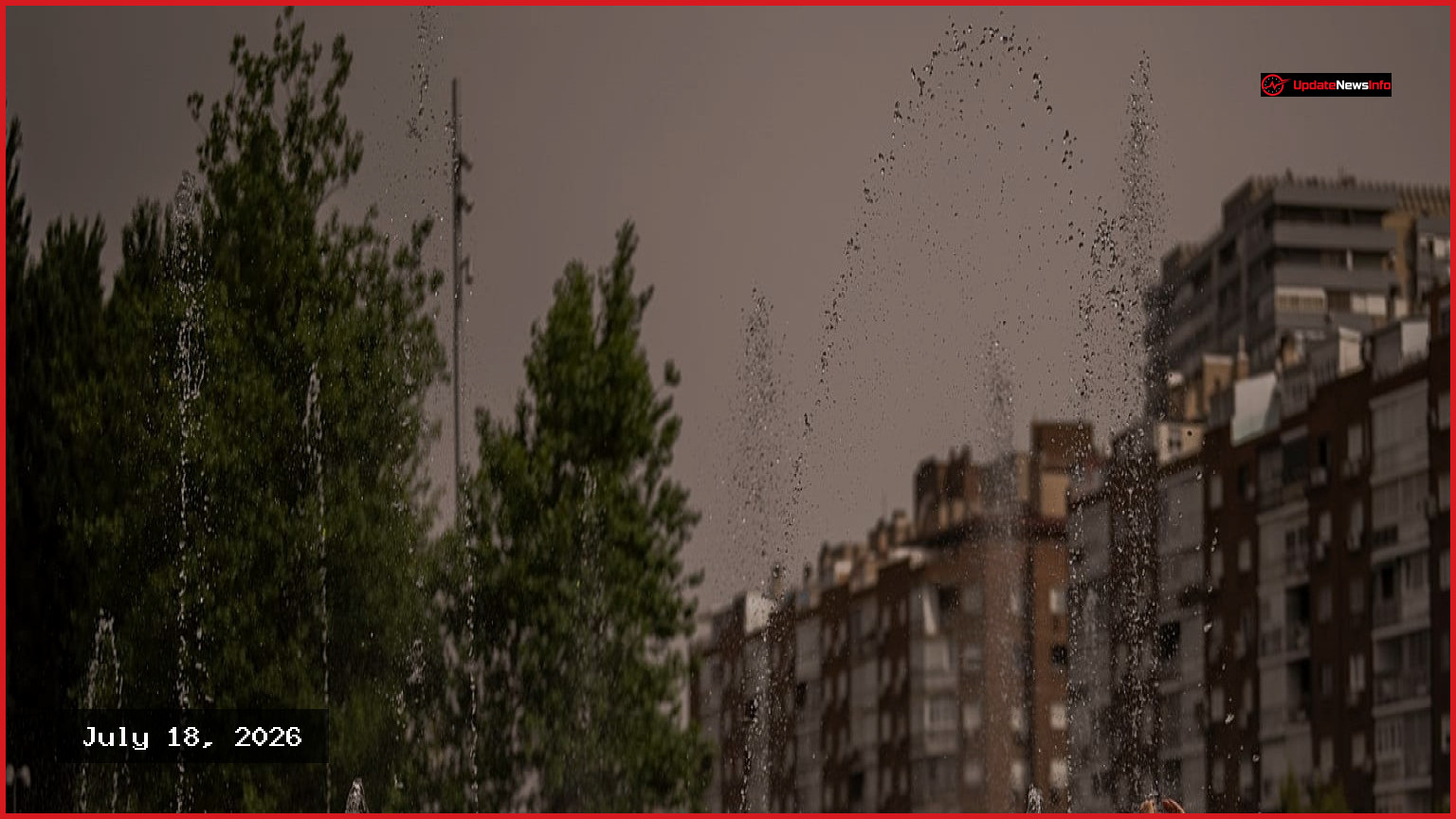
The underlying cause of this weather event is an atmospheric blocking pattern, which has been further reinforced by a cut-off low situated to the west of the Iberian Peninsula. This specific combination is drawing a mass of warm, dry air directly from North Africa, which is also carrying suspended dust, to settle across the Balearic Islands and a large portion of the Spanish mainland. The temperature rise will be gradual but steady, culminating in a peak on Thursday. During this time, readings in the south-eastern third of mainland Spain are expected to locally reach or even exceed 45ºC.
Regions identified as being at the highest risk include Andalusia, the Ebro valley, various north-eastern depressions, the Genil basin, and the interior of Mallorca. In these areas, maximum temperatures are projected to remain above 40ºC for several consecutive days. Aemet has highlighted that the presence of particularly warm nights is a major concern, as these conditions prevent the human body from recovering from the heat accumulated during the day, posing a significant health risk. The agency is urging the public to take maximum precautions, especially during the middle of the day, with a specific warning for vulnerable populations, including the elderly and individuals with cardiovascular diseases.
Beyond the direct health impacts, the risk of forest fires is expected to soar to extreme levels. This danger is compounded by the potential for dry afternoon thunderstorms in mountainous regions, which may produce lightning without providing significant rainfall—a combination that creates an ideal environment for new blazes to ignite. This summer is already proving to be historically significant; between June 1 and July 15, the average temperature across Spain was 3.3ºC above the normal range, surpassing the previous records set in 2015 and 2024 by 0.4ºC.
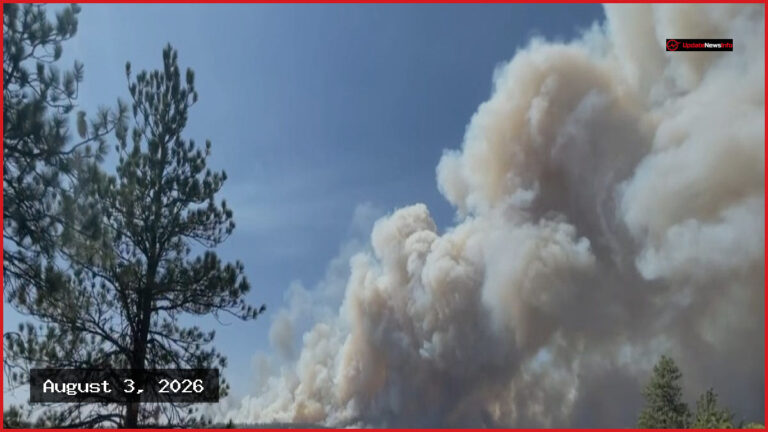
The incoming heatwave arrives as emergency services are already struggling to contain two major forest fires. The most destructive blaze of the year began on Wednesday near Orés in Zaragoza and has already scorched approximately 15,400 hectares with a perimeter of about 60 kilometres. While Mar Vaquero, vice president of the Aragon regional government, noted that conditions on Saturday were slightly more favourable than the previous day, the situation remains complex due to shifting winds. A second major fire is active in the Sierra Norte de Guadalajara, near the municipality of La Mierla. José Pablo Sabrido, the government delegate in Castilla-La Mancha, confirmed that this fire has reached nearly 6,000 hectares and expressed little optimism regarding its immediate evolution. Hugo Morán, president of Aemet and secretary of state for the environment, noted in a recent interview on “Radio 5” that the country has entered a chain of successive heatwaves, a development that is severely complicating ongoing efforts to manage forest fire risks.