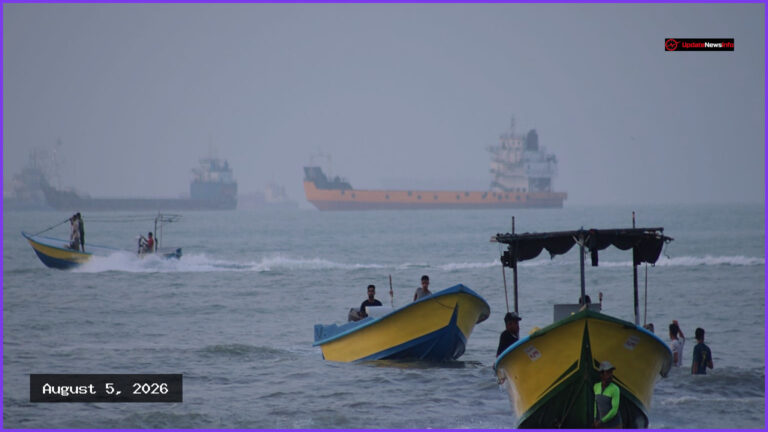
President Donald Trump announced on July 13 that the United States is moving to take operational control of the Strait of Hormuz, a vital passage for global oil shipments. In a phone interview with Fox News, the president stated that the U.S. is reinstating a naval blockade specifically targeting Iran, while asserting that other nations would cover the costs of this security operation.
The announcement follows a significant escalation in tensions between Washington and Tehran. On July 12, the U.S. launched a new series of military strikes against Iran after Iranian forces targeted U.S. facilities across the Persian Gulf and declared the closure of the strait. These events effectively nullified an interim agreement signed in June, which had been intended to keep the waterway open and provide a framework for two months of diplomatic negotiations.
In a subsequent post on Truth Social, Trump clarified the nature of the new policy, stating, "The Hormuz Strait is OPEN, and will remain OPEN, with or without Iran. We are reinstating the THE IRANIAN BLOCKADE, so named because it is only stopping Iran’s ships or customers from entering or leaving." The president further declared that the United States would henceforth be known as the "Guardian of the Hormuz Strait," or potentially the "guardian angel of the strait."
Regarding the financial structure of this initiative, Trump proposed a reimbursement plan where countries utilizing the corridor would be charged a fee of 20% of the value of their cargo. "And we're going to keep the strait, and we'll probably run it. We'll become the guardian of the strait. Maybe we'll call it the 'guardian angel of the strait.' And we should be reimbursed for that. When we do that, we're going to be reimbursed because the other nations are very wealthy, they're on our side," the president said. He argued that this revenue would cover the expenses associated with providing safety and security in what he described as a "very volatile section of the World." Trump justified the plan by noting that the nations involved are "very wealthy" and "on our side," though it remains unclear if any Middle Eastern allies have formally agreed to these terms.
The collapse of the June memorandum of understanding and the renewed military exchanges have raised widespread concerns regarding the potential for a broader regional conflict and significant disruptions to global markets. As the situation develops, the U.S. presence in the region continues to intensify in response to the latest diplomatic breakdown. Reach Joey Garrison on X @joeygarrison.