Bozeman, Montana, a city once characterized by its rugged beauty and a laid-back western atmosphere, is undergoing a dramatic transformation. Decades ago, grandmother Sara Folger recalls Bozeman as a haven for "back-to-the-land hippies, college students, cowboys and ski bums." Today, its streets are marked by construction, and an increasing number of out-of-state license plates.
Since the pandemic, Bozeman's population has surged by approximately 20%, a significant increase for a city that had fewer than 50,000 residents in 2019. This influx was fueled by multiple factors. Montana has long attracted conservatives drawn to its emphasis on rugged individualism, self-reliance, and its favorable tax environment, which includes no sales, luxury, or inheritance taxes. The COVID-19 pandemic accelerated this trend, with many individuals "fleeing the Covid mess … on the East Coast and West Coast," according to Mark Corner, president of Southwest Montana Realtors. This surge in demand has caused housing prices to skyrocket.
The rapid changes have created a stark socioeconomic and cultural divide. Many long-time residents are being priced out of their hometowns, while developers from outside the state are capitalizing on the booming market. A recent rent strike by residents of two mobile home parks has highlighted the growing tensions between the "haves and have-nots" and spurred grassroots efforts to protect the working class.
Bozeman Mayor Joey Morrison, elected at 28 on a platform prioritizing affordable housing, acknowledges the sharp division between locals and newcomers. "We were watching our rent double or triple in the span of a year or two," he stated. "Suddenly, every coffee shop is full of people coding on their computer or working for an organization that has never stepped foot in the state of Montana."
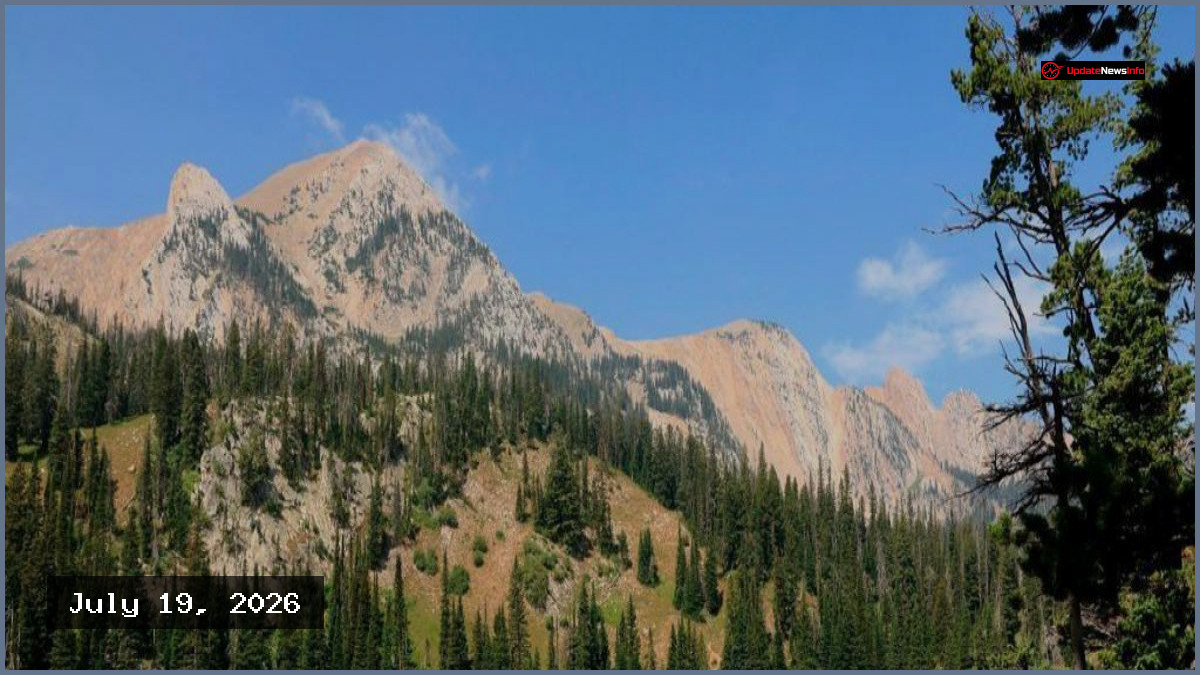
A significant driver of this increased interest in Bozeman is attributed to the "Yellowstone Effect." Many new residents are reportedly drawn to the state by the popular drama series "Yellowstone," which showcases the dramatic landscapes and ranching lifestyle of Montana. Jeff Michael, director of the Bureau of Business and Economic Research at the University of Montana, believes the show's portrayal of Montana's beauty has impacted the housing market. "Everyone in Montana believes the Yellowstone television show, with its dramatic scenery and montages of Montana life and how beautiful it is here… had an impact on the housing market," he said.
Realtors and property owners have witnessed substantial gains, with home values jumping 40% in just two years, and prices continue to climb. The downtown area has transformed, with small businesses replaced by upscale restaurants, high-end retail chains, and shops selling custom cowboy hats. New developments are rapidly appearing around Bozeman, commanding premium prices.
The Bozeman Yellowstone International Airport, currently undergoing renovations, sees a steady stream of private jet traffic, often ferrying wealthy individuals to exclusive enclaves like the Yellowstone Club in Big Sky. Corner noted, "Any given day out at our airport, there will be 80 to 100 private jets on the tarmac, primarily Yellowstone Club guests." He added that "Every developer in America heard about the exorbitant rental rates in Bozeman and how attractive it was to develop here." This has led to a rapid construction of apartment blocks and townhomes, with one-bedroom rents now exceeding $2,000 per month, a cost prohibitive for many local residents, especially those on single incomes.
This wave of frustration contributed to Mayor Morrison's electoral victory in November 2023. Now 30, Morrison, who grew up in eastern Montana, was a founding member of Bozeman Tenants United. He views his election as a mandate on housing policy and a rejection of the perceived abandonment of average Montanans by local government. "It really was this huge groundswell… that was clearly saying: We want one of us to represent us in City Hall," he remarked. He expresses concern about "a lot of hopelessness out there for the ability to stay in this state, stay in this city in particular."
Many homeowners have sold their properties and left the state, while renters who remain often work multiple jobs or share housing. Commutes are lengthening, and some couples are postponing starting families due to financial pressures. Even long-term residents like Sara Folger, who has lived in her trailer park for 17 years, are feeling the pinch. Her lot rent has nearly doubled, even after accounting for inflation. "There are so many people here [for whom] this is their last stop," Folger said. "They have no place to go. They don't have the money to pay the rent. There's no housing for them that they can afford. There's nothing."
In May, Folger and other residents of two mobile home parks organized Montana's first rent strike in 50 years, with assistance from a local tenant union. The strike was a response to a nearly $100 monthly increase in lot rent. The park was subsequently sold and is now managed by a California-based company, leaving the future of its residents uncertain. Ben Moore, a resident of Mountain Meadows, expressed the dilemma: "You can't move a mobile home that's been sitting for 25 years.
It will disintegrate. The only equity I have is in this trailer. It's the same for a lot of people … even if we could move the trailer, where are you supposed to move it to?" While some residents have accepted new terms, others continue their fight.
The city has also seen a rise in progressive political engagement. In addition to Mayor Morrison, 25-year-old Katie Fire Thunder was appointed to the Montana House of Representatives in December. Sam Forstag, a 31-year-old union leader, recently won the Democratic nomination for Montana's 1st congressional district. Fire Thunder criticized current leadership, stating, "Young people have seen, right in front of our very eyes, the way that our leaders currently are not making decisions that are protecting us. They are making reactionary, short-term decisions that are benefiting… the wealthiest in this state, while we are all watching and are like: This is not how Montana works or Montana runs."
The economic disparity is evident in places like JW Heist, an upscale downtown eatery where patrons include medical sales representatives and out-of-state investors. One visitor from Colorado noted that a $170 whiskey pour was a fraction of the price he'd seen elsewhere, highlighting the inflated costs in Bozeman.