Safeer Mohammed Koorimannil, who was trafficked to a scam center in Myanmar, operated under a clear directive: he had only four days to make each victim fall in love. Posing as a 28-year-old Singaporean woman named Ella, he would chat with over 100 people simultaneously across various profiles while supervisors monitored the floor with electric batons. In a single month, Koorimannil targeted approximately 50,000 individuals across 17 countries, including victims as diverse as a pastry chef in Turkey, a sheep farmer in Kyrgyzstan, and an engineer in Russia. He achieved this volume by utilizing software powered by artificial intelligence models from American companies, enabling fraud on a previously unseen scale.
An investigation by the Associated Press and FRONTLINE discovered that technology from US firms is fueling an industrialization of the scam sector. Experts suggest that while these companies possess the technical capacity to mitigate such abuse, they currently lack the necessary legal or business incentives to do so, despite the Federal Trade Commission estimating that fraud cost Americans nearly $200 billion in 2024. While scrutiny has largely focused on social media platforms, the infrastructure exploited includes AI workflow tools, satellite internet services that bypass national restrictions, and US-based internet service providers that relay traffic from remote scam compounds.
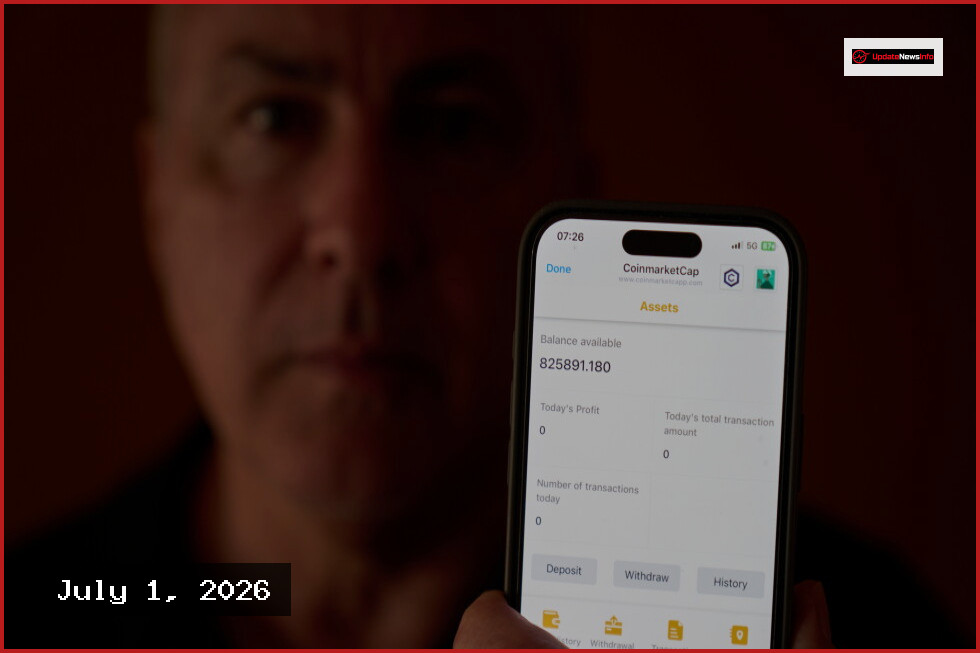
While there is no evidence these companies are acting illegally, their infrastructure is being weaponized against global targets. Investigations into thousands of leaked files and connections from scam compounds in Myanmar highlighted the use of software platforms like “Kongtian” and “007TG.” These tools integrate models from OpenAI and Google to provide real-time translation in over 100 languages, automate replies, and generate convincing personas. Victims who fall for these scams, like Massachusetts resident Chris Colocousis, who lost $400,000 to a romance-based crypto investment scheme, often find their life savings wiped out by these sophisticated, automated digital campaigns.
Data analysis shows that US internet service providers play a critical role in this ecosystem. Research from a sample of over 200,000 connections from scam sites like KK Park and Deko Park found that one in five were routed through American ISPs, including Cogent Communications, Oracle, AT&T, and DigitalOcean. Although companies like Starlink have faced pressure to cut service, data indicates that scammers frequently relocate their satellite terminals to new compounds as crackdowns occur. The human toll is devastating; workers trafficked into these compounds are subjected to torture and forced labor, with many experiencing permanent injury or even death after failing to meet impossible performance targets.
Law enforcement efforts, such as the District of Columbia U.S. Attorney’s Scam Center Strike Force, have worked with tech giants to disrupt millions of malicious accounts and seize infrastructure. However, as long as the cost of facilitating such fraud remains minimal, cybersecurity analysts warn that scammers will continue to find ways to exploit technological gaps. For victims, the experience is a profound violation of their security and financial independence, leaving many struggling to rebuild their lives after being targeted by automated agents that do not sleep, eat, or stop.