Long before the 2016 animated hit and its forthcoming live-action remake starring Dwayne Johnson, there was a pioneering silent film that established a fresh genre. That honour belongs to a Moana released a full century ago. While now largely forgotten, this glimpse of Polynesian life reportedly offered inspiration to the creators of the modern Disney franchise. Film historian Bruce Posner, who oversaw a digital restoration of the 1926 work in 2014, believes that Disney production teams picked the bones of this early silent film to craft their own blockbuster.
The 1926 version was a silent documentary by American filmmaker Robert Flaherty, who had previously built his reputation with Nanook of the North, a pioneering portrait of Inuit civilisation featuring epic scenes of walrus hunting. Given carte blanche to film anywhere for his next project, Flaherty chose Samoa. Although he initially envisioned a story about a great sea monster, he found the reality of island life to be entirely peaceful. Consequently, he shifted his focus to a pastoral picture of a young man named Moana and his family, spending over a year filming in what was a groundbreaking example of on-location production.
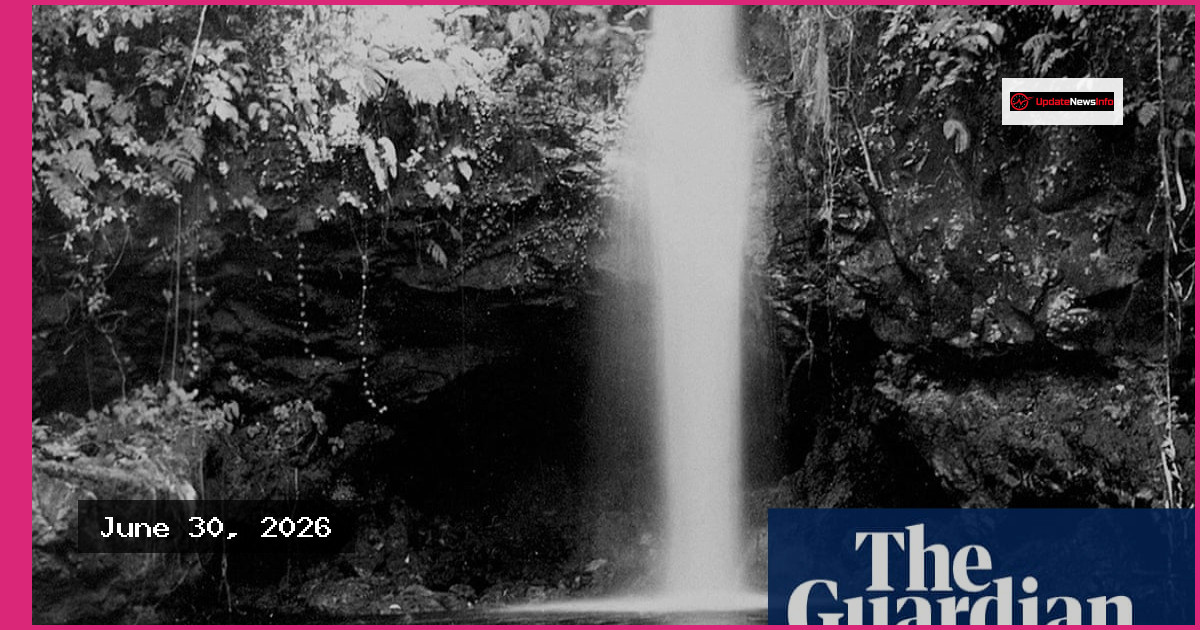
The shoot presented significant challenges due to the equatorial climate. Flaherty had to establish a film processing lab inside a freshwater cave, and he even suffered accidental poisoning from the water, spending several months near death. When he returned home, the studio was surprised to find no sea monsters or plot, just gentle scenes of the family gathering coconuts and taro roots. While the film broke box office records during initial New York trials, it later flopped upon wider release, with critics finding it interesting rather than entertaining. However, it achieved lasting fame when critic John Grierson coined the term “documentary” to describe its value, marking it as the first of its kind.
The film’s legacy remains intertwined with controversy. Dr. Dionne Fonoti, a senior lecturer at the National University of Samoa, explains that many of the depicted elements were no longer practiced by the 1920s. Flaherty staged the film, casting people who were not related to act out his vision, and he faced criticism for reversing cultural norms, such as depicting women as topless. Despite these critiques, the film is not considered controversial in Samoa today. Most locals view it as a valuable snapshot into the past. In a 2011 documentary, the daughter of one of the stars and other villagers expressed that the film belongs to them and holds no wrongdoing.
Flaherty worked in collaboration with the local community, who helped him recreate older ways of life that were fading from memory. Frances Flaherty, the filmmaker’s wife and co-producer, noted how the community worked with them to ensure the truthfulness of these scenes. Dr. Fonoti suggests this history forms a meaningful bridge to the modern Disney franchise. While earlier Disney films drew from cultures without proper consultation, the team behind the 2016 Moana assembled advisors from across the Pacific Islands to ensure authenticity. Dr. Fonoti, who has been part of that advisory group, views the shift as a significant evolution in representation.
Posner maintains that the connection between the two films is not coincidental, pointing to the shared setting and the title, even though the protagonist’s gender was transposed. As Posner prepares a new 35mm film negative for the project’s centenary year, he hopes the upcoming Disney remake will bring renewed attention to the silent original. He characterizes the 1926 film as a gem, emphasizing its grace, beauty, and fundamental humanity.