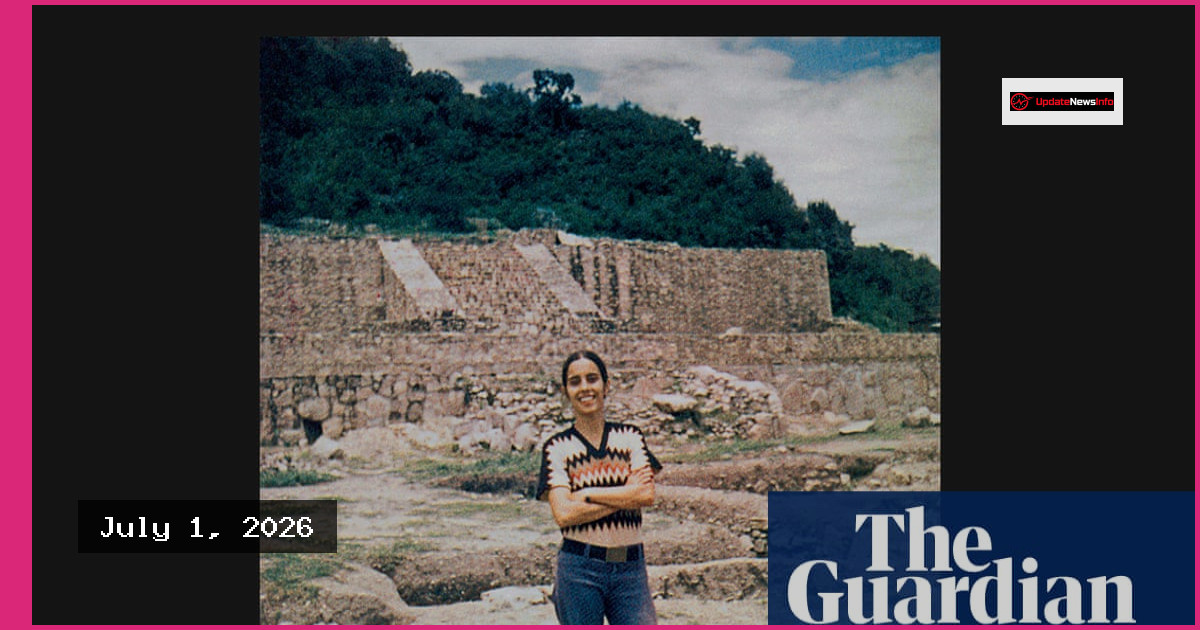
In the summer of 1985, Ana Mendieta was experimenting with gunpowder and chainsaws near her studio in Rome. The Cuban American artist was preparing a monumental commission for MacArthur Park, Los Angeles, drawing inspiration from neolithic sites. This period followed her prestigious residency at the American Academy in Rome, where she had gained a reputation for her intense energy and distinctive artistic vision. Friends described her as a “volcano,” reflecting her vibrant personality and relentless drive.
By 1985, Mendieta had married the world-famous minimalist artist Carl Andre. However, their relationship was marked by conflict, which intensified as Mendieta’s own profile in the art world continued to rise. On September 9, 1985, following an argument at their New York apartment, Mendieta fell 33 stories to her death. Andre, who died in 2024 at age 88, provided conflicting accounts of the event to police. He was subsequently charged with her murder, but a judge acquitted him in 1988, citing a lack of evidence beyond a reasonable doubt.
Mendieta’s career, though brief, was profoundly influential. She explored themes of nature, exile, and the body through performance, earthworks, and sculpture. Having arrived in the US as a child via Operation Peter Pan, she often channeled her experiences of displacement into her art. Her 1970s “Silueta” series remains a defining contribution, often using natural materials to imprint her body’s silhouette into the landscape. Despite the tragedy of her death, her estate and peers maintain that she should be remembered primarily for her genius and artistic contributions rather than just the circumstances of her passing.
The aftermath of Mendieta’s death caused a severe fracture in the art world. Many of her supporters felt the subsequent trial was a travesty, alleging that Andre’s defense team manipulated the narrative to portray Mendieta as mentally unstable or suicidal. Evidence concerning her plan to divorce Andre was ruled inadmissible. While Andre continued his career, many of Mendieta’s friends faced professional repercussions for speaking out against him. Today, decades later, the debate over her legacy and the art world’s response to her death continues to spark protests and discussions, even as her work gains new appreciation through digital restoration and major exhibitions.