It stands as the deadliest reported strike in the ongoing war between the U.S. and Iran, yet more than 120 days after at least one U.S. missile destroyed a primary school in Minab, the incident remains shrouded in silence. While the Pentagon possessed nearly immediate evidence that the school site was hit, the Trump administration has not formally acknowledged blame or released the findings of an internal investigation, according to a U.S. official familiar with the matter.
An AP reconstruction, based on open-source data, satellite imagery, and interviews with human rights researchers and civilians, provides a clearer picture of the February 28 attack. The school, known as Shajareh Tayyebeh or “Good Tree,” was located within a compound that previously served as a base for Iran’s Revolutionary Guard. On the morning of the strike—a school day during Ramadan—hundreds of children were present before administrators, alerted to bombs falling on Tehran, began calling parents to collect their children early.
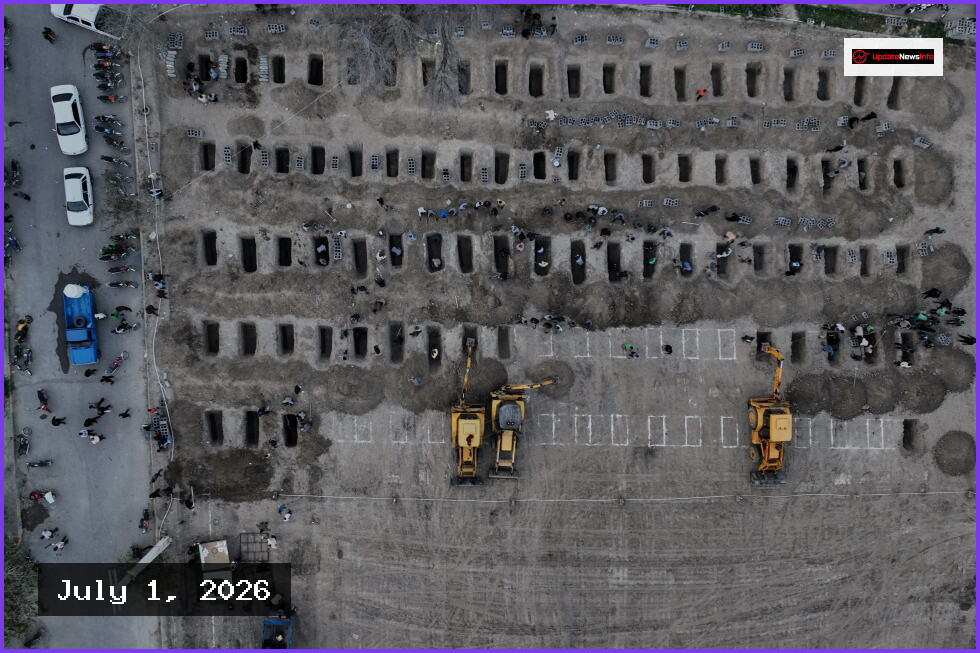
Witnesses described chaotic scenes as multiple munitions pummeled the facility, collapsing the school building. While a resident of Minab reported that hospital staff estimated at least 108 bodies were brought in, state media later cited a toll as high as 168. The attack left many victims unrecognizable, and parents were eventually pressed to bury their children in a communal site consisting of identical, unmarked graves.
Accountability remains elusive. President Donald Trump, when asked about the bombing, denied knowledge of the Pentagon report and stated he did not believe the U.S. was responsible. Meanwhile, researchers from Airwars have identified 157 victims, including 123 children aged 13 or younger, alongside 34 adults, consisting of school staff and parents who perished while attempting to collect their children.
Internally, U.S. officials acknowledge that the target was not identified as a school by military planners, a failure attributed by experts to systematic deficiencies in the targeting process. A former Pentagon official noted that recent administrative changes, including the downsizing of the Civilian Protection Center of Excellence and the suspension of updates to “no-strike” lists of protected sites like schools, contributed to the disaster. As the U.S. Central Command continues to review its investigation, lawmakers like Senator Mike Rounds have signaled that they expect a formal, transparent account of the events in Minab.