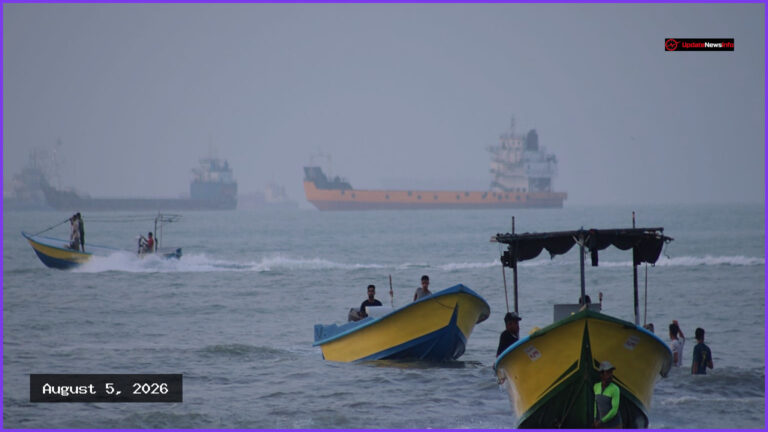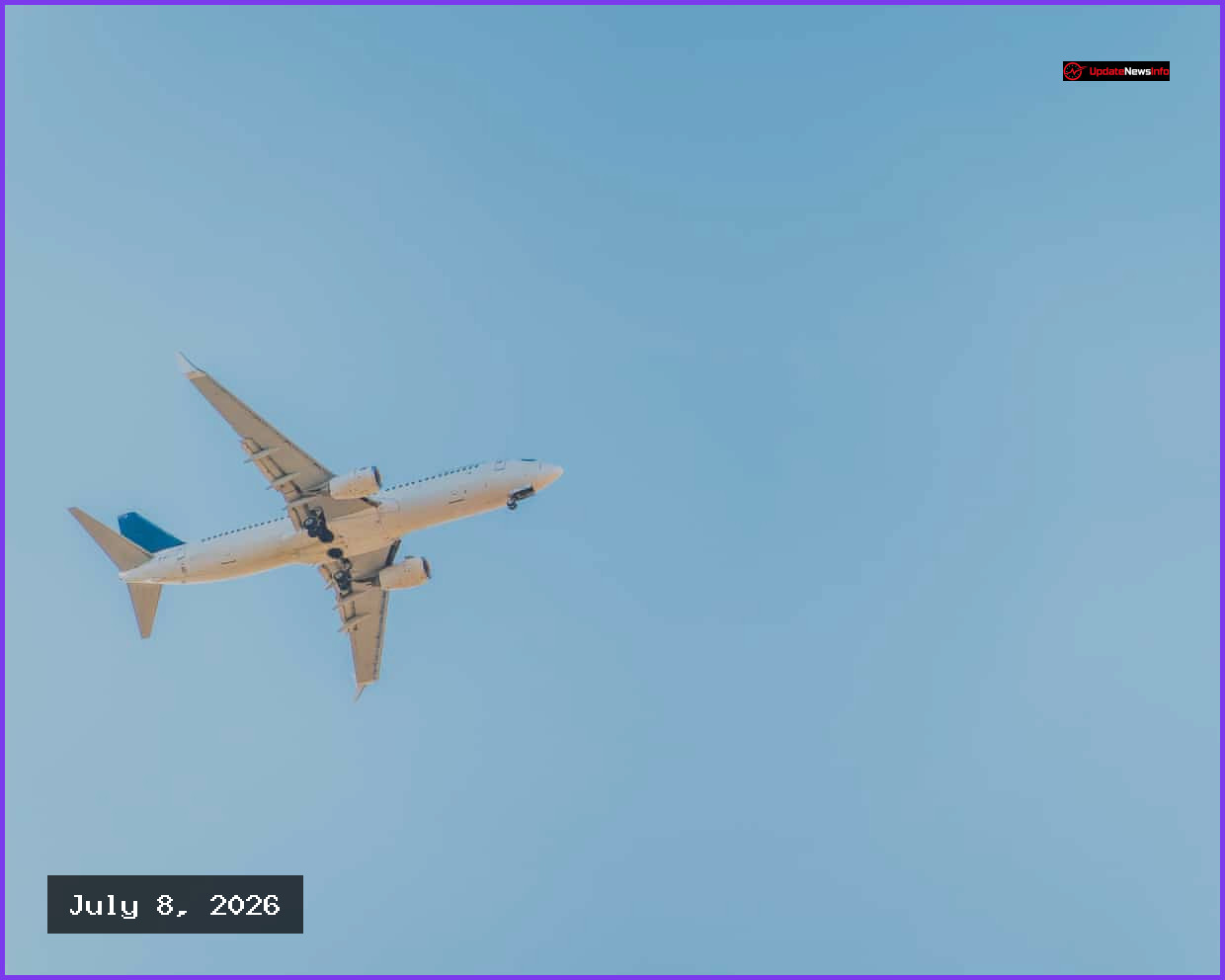
A coordinated search-and-rescue operation is currently under way at sea to locate a Pakistan-registered Boeing 737 cargo plane that went missing on Tuesday night. The aircraft, operated by Sharjah-based K2 Airways, was carrying five crew members when it lost contact with air traffic control while en route to Karachi.
According to the Pakistan Airports Authority, the crew reported a navigational system problem at 9:18 p.m. Pakistan Standard Time (16:18 GMT). Despite attempts by local air traffic control to provide guidance, communication was severed three minutes later. At the time of the incident, the aircraft was positioned approximately 287 kilometers west of Karachi.
Flight-tracking service Flightradar24 suggests the 27-year-old converted freighter may have crashed into the sea southwest of Karachi. Data indicates the plane experienced a series of sharp altitude changes, including a rapid plunge of about 5,000 feet in under a minute, followed by a surge of 6,000 feet in 30 seconds. The flight then entered a steep descent from 36,550 feet, with the final recorded data point showing an altitude of 1,100 feet and a vertical rate of minus 22,400 feet per minute, roughly 400 kilometers per hour.
Aerospace safety consultant Anthony Brickhouse noted that while such extreme flight data is eye-catching, it is premature to determine the cause without further information. The missing aircraft is a decades-old Boeing 737 model, distinct from the newer 737 MAX series. It served as the sole aircraft for K2 Airways, having entered service with the carrier in 2024 and not flown since June 28.
K2 Airways has confirmed it is working closely with the Pakistan Civil Aviation Authority and other government agencies. In a statement posted to Facebook, the operator expressed its commitment to the search, stating, “We continue to pray, earnestly, for the safety of our colleagues.” Boeing has not yet responded to requests for comment regarding the incident.
“Anytime you see something extreme like that, it catches your eye, but it is too soon to say what any of it means without more information,” said Anthony Brickhouse, an aerospace safety consultant.