The United States military initiated a fresh wave of strikes against Iran at 5 pm ET on Sunday. According to a statement from US Central Command, the operation was intended to continue degrading Iran’s capacity to target civilian mariners and commercial vessels navigating the Strait of Hormuz. In a brief interview with Reuters on Sunday afternoon, President Trump addressed the weekend’s military actions, stating, “We’re beating them up.”
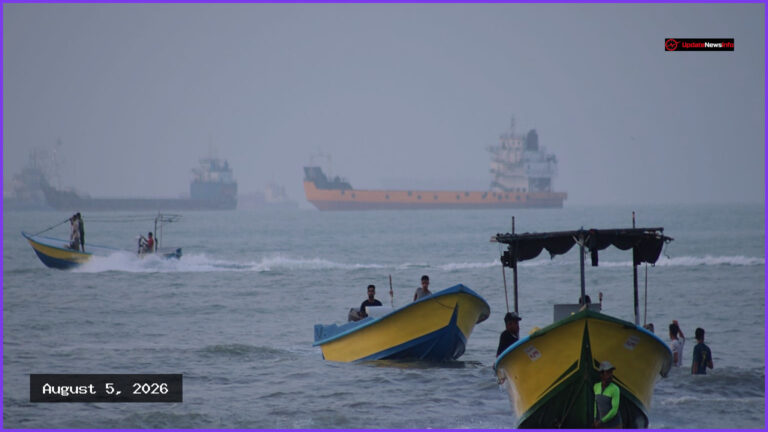
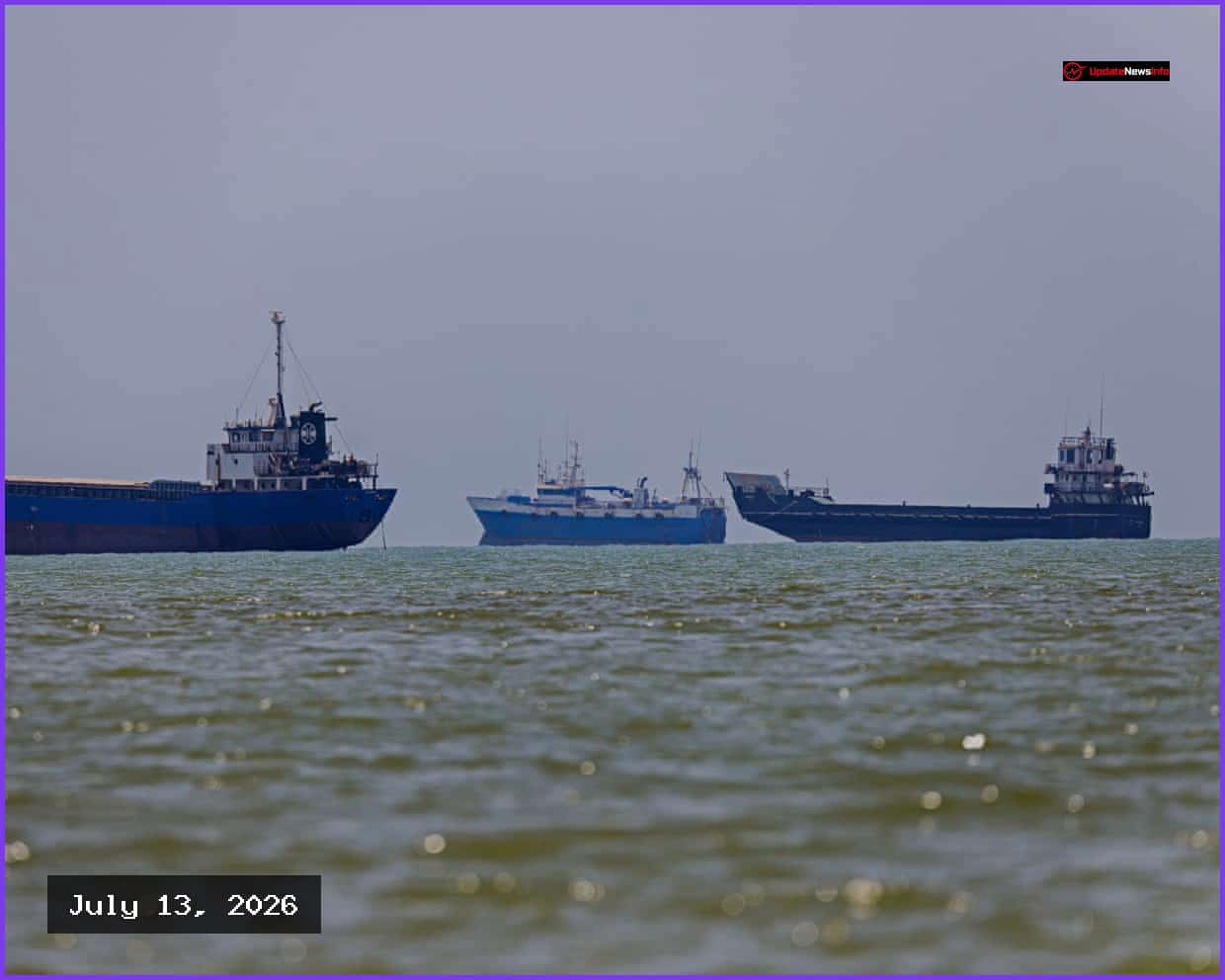
This escalation follows an Iranian attack early Sunday on a commercial ship in the Strait of Hormuz, which forced the crew to abandon the vessel after it caught fire. Following the incident, Iran’s Revolutionary Guards declared that the waterway would remain closed until further notice and until American interventions in the region cease. However, CENTCOM countered this claim on X, asserting that the strait remains open to all vessels seeking lawful transit and that US forces are positioned and prepared to ensure freedom of navigation, adding that Iran does not control the strait. Traffic is flowing.
The regional impact of the weekend’s strikes has been significant. In Qatar, officials reported that three people, including a child, were injured by falling shrapnel, and the nation held Iran “fully legally responsible” for the attack. Meanwhile, Kuwait reported that shortly after, three of its land border posts in the north were damaged in an attack, and that an offshore drilling platform was targeted by a hostile drone, with one person injured. Other regional actors also faced threats: the UAE detected missile activity outside its borders, Bahrain intercepted Iranian aerial attacks, Jordan reported missile strikes, and Oman reported being targeted by drones.
Oman has summoned the Iranian ambassador to protest drone attacks in two regions, while the US embassy in Oman advised its nationals in Duqm and Musandam to shelter in place. Iranian state media also reported that at least 10 projectiles struck Qeshm Island and that strikes on Farur island resulted in the death of a telecommunications worker and injuries to two others.
Iran’s foreign ministry has condemned the US actions as “aggressive.” The ministry stated that previous talks in Muscat regarding transit routes failed due to “overt and covert” US pressure on Oman. Furthermore, an adviser to Iran’s supreme leader claimed on Sunday that control of the waterway is more important than “dozens of atomic bombs.” As violence continues, the future of an interim agreement signed last month—which aimed to reopen the strait and end the conflict within 60 days—remains in doubt, with Tehran claiming the US has rendered diplomacy “futile.”