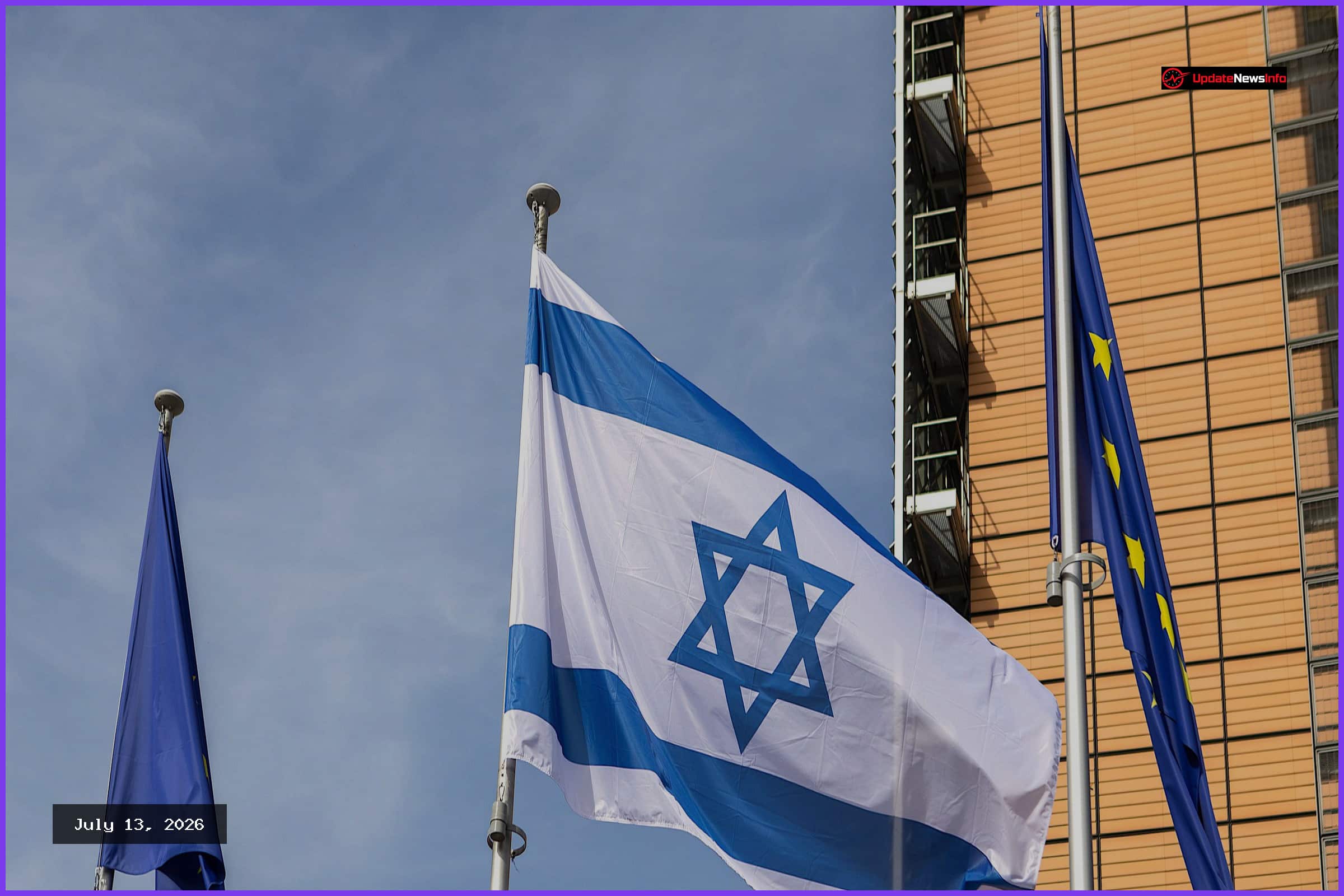
European Union foreign ministers are scheduled to gather in Brussels on Monday, 13 July, but expectations for a concrete decision regarding Israel remain minimal. The current agenda includes a proposal to restrict or ban trade with illegal Israeli settlers. For this measure to pass within the EU Council, it would require a qualified majority, necessitating a shift in position from key nations such as Germany or Italy.
German Foreign Minister Johann Wadephul signaled a reluctance to pursue sanctions, stating on Friday in Berlin that the EU should instead focus on verbal condemnations of settler violence and expansion. Wadephul emphasized that his primary contribution to the meeting would center on the future of Gaza and new peace talks concerning Lebanon. He noted that previous German governments have consistently issued statements condemning settler activities. Meanwhile, Germany’s upper house, the Bundesrat, recently passed legislation that could impose five-year prison sentences on individuals who claim Israel lacks a right to exist, a move critics note stands in contrast to the lack of similar protections regarding Palestinian erasure.
Italy’s stance appears similarly aligned against sanctions. Foreign Minister Antonio Tajani, who recently highlighted Italy’s role in hosting US-brokered Lebanon peace talks in Rome, suggested that EU sanctions could jeopardize these negotiations. Tajani and other allies of Israel, including Czech Foreign Minister Petr Macinka, are expected to provide further justifications for inaction.
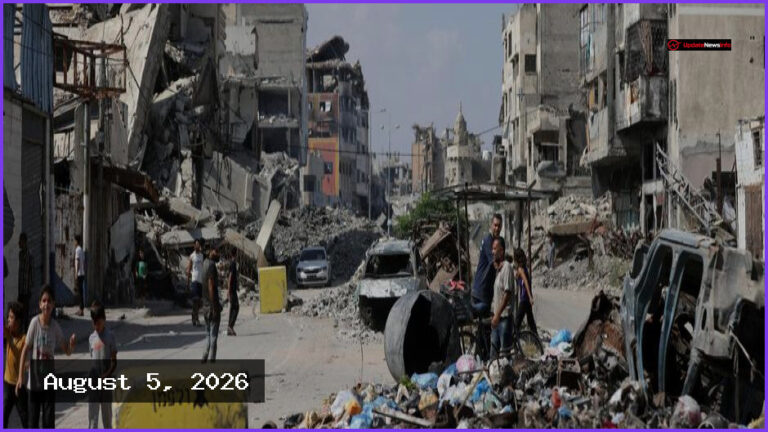
Data from the Jewish People Policy Institute indicates that between 2017 and 2026, the EU issued 895 statements on Israel, with 38 percent being negative. During that same timeframe, the Israeli settler population in the West Bank and East Jerusalem increased from 620,000 to over 750,000, with 47 new settlements established since 2022. Additionally, Israel has occupied 608 square kilometers of Lebanese territory since 2023.
When asked if Israel has a right to exist, one diplomat offered a nuanced perspective: “And my answer is: Yes, of course it does, within its UN-recognised 1967 borders, while giving its Arab population the same rights as Jews, since both are equally human.”
Member states have had access to options for anti-settler sanctions since the European Commission first introduced them in September 2025. Given the ongoing situation, some nations—including France, Ireland, the Netherlands, Spain, and potentially Belgium—may look to form a coalition of the willing to address human rights and rule-of-law concerns outside of the broader EU consensus.
If Israelis freely re-elected genocidal extremists just to stick two fingers up to the EU they needed to be pressured all the more.
And Israeli authorities were, in any case, quite happy to bear the bureaucratic burden of systematically falsifying the origin of settler imports to Europe.