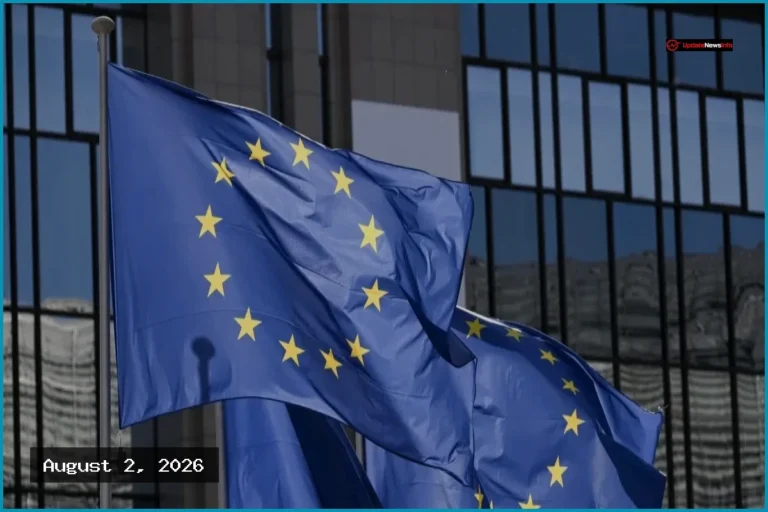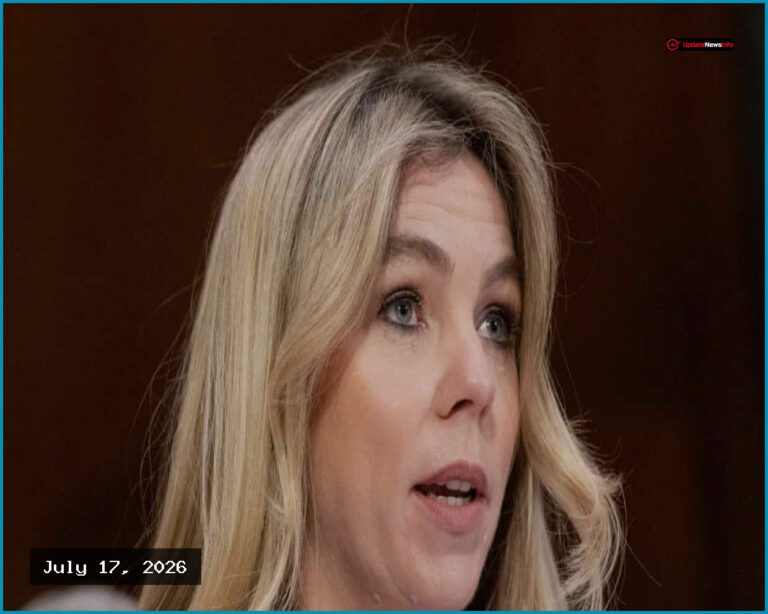
The European Union has issued a directive requiring Google to open its Android operating system to competing artificial intelligence services. EU tech chief Henna Virkkunen stated that these measures are intended to foster emerging alternatives to Google Search and the company's own AI offerings, such as Gemini, ultimately providing users within the EU with a broader range of service options. This mandate is being enforced under the EU’s flagship Digital Markets Act (DMA), which compels the world's largest tech firms to reduce barriers to competition.
A primary example provided by the EU is that Android users should be granted the ability to choose their preferred AI chatbot for voice-activated commands, effectively replacing the standard "Hey Google" feature. While the move aims to increase choice, Google has pushed back against the order. Kent Walker, Google’s head of global affairs, warned that the requirements risk "undermining vital privacy and security guardrails for millions of Europeans." Walker further argued that because AI assistants already maintain access to Android, the mandated sharing of search data could expose private user information to unfamiliar companies without adequate anonymisation or explicit user consent.
In response to these concerns, a senior European official maintained that Brussels took "integrity, security and privacy into utmost account" and asserted that the decision ensures the anonymisation of search data. These measures, which stem from a procedure initiated in January, are legally binding, though they remain separate from formal investigations that could trigger direct financial penalties.
Nevertheless, Google remains under significant regulatory pressure. Sources indicate that the EU may impose a fine as early as next week in a distinct DMA investigation, following reports in the Financial Times. The EU possesses the authority to levy fines reaching up to 10 percent of a firm's total global turnover for DMA violations. This follows a history of significant penalties, including a €2.95 billion antitrust fine in September last year, and a series of fines totaling 8.2 billion euros between 2017 and 2019. Meanwhile, the DMA continues to face criticism from the administration of US President Donald Trump, which has accused Brussels of unfairly targeting American technology companies.