Massive wildfire activity in Canada is currently sending heavy smoke drifting south across the border into the United States. This atmospheric event, which has turned skies yellow and brown from the Great Lakes region to the Northeast as of July 15, is raising significant public health concerns. The situation is further exacerbated by numerous active fires burning in northern Minnesota along the Canadian border.
According to the Centers for Disease Control and Prevention, wildfire smoke is distinct from other air pollution sources because it can travel vast distances and linger in the atmosphere for extended periods. As this smoke remains in the air, it undergoes chemical changes that can increase its toxicity. This process, known as oxidation, involves the smoke combining with trace radicals—molecules with unpaired electrons—to form free radicals. These substances are capable of damaging human cells and tissues.
The composition of the smoke varies based on what is burning, whether it be vegetation, grasslands, trees, or man-made structures. The New York State Department of Health notes that the resulting plume can contain a range of toxic substances, including carbon monoxide, carbon dioxide, nitrogen oxides, sulfur dioxide, acid gases, benzene, toluene, styrene, dioxins, and various metals.
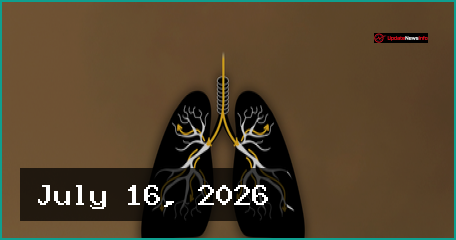
A primary health concern highlighted by the Environmental Protection Agency involves fine particulate matter. These particles are often smaller than the width of a human hair, allowing them to be inhaled deep into the lungs. This exposure can trigger respiratory irritation, shortness of breath, and exacerbate existing conditions such as heart disease and asthma. Furthermore, the smoke can impair macrophage function, which is the ability of white blood cells to protect the immune system and the lungs.
Because the smoke carries such unhealthy matter and can become increasingly toxic over time, authorities emphasize the need for public awareness regarding air quality, particularly for vulnerable populations susceptible to respiratory distress.
Can't see our graphics? Click here to reload the page.