The United States expanded its airstrike campaign against Iran early Friday, July 17, 2026, hitting additional bridges and energy sites and collapsing a tower at a crucial Iranian port. This escalation followed President Donald Trump’s threats to target infrastructure to pressure Tehran into easing its control over the Strait of Hormuz, a vital waterway for global energy supplies.
In response, Iran launched missiles into several U.S.-allied nations across the Middle East. Among the targets were Qatar, a mediator in the ongoing conflict, and Kuwait, where one of the desert nation’s primary water desalination plants sustained damage. The attacks signal a collapse of the interim ceasefire agreed to last month, with the region now enduring days of reciprocal assaults as both the U.S. and Iran vie for control of the strait.
U.S. airstrikes overnight into Friday specifically targeted bridges in Iran’s southern Hormozgan province, with Iranian state television reporting at least seven fatalities. The attacks struck Bandar Khamir, a city located on Iran’s coast along the Strait of Hormuz. These highway and railway bridge strikes appeared designed to sever Bandar Abbas, Iran’s main port, from key roads leading into the Islamic Republic’s central region and onward to the capital, Tehran. While other routes remain open, the U.S. strikes could intensify, potentially disrupting the movement of both military materiel and essential goods for Iran’s 90 million citizens.
For the first time on Friday, Iran acknowledged “attacks on power infrastructure” during the U.S. airstrike campaign. Its Energy Ministry issued a public appeal for reduced power consumption in southern provinces experiencing extreme heat, though it did not specify whether power plants, transmission lines, or other equipment had been hit.
Additionally, U.S. strikes collapsed a tower at Iran’s Chabahar port on the Gulf of Oman, a critical trade route for landlocked Afghanistan. The state-run IRNA news agency initially reported the incident, which the U.S. military later confirmed. While Iran stated the tower oversaw commercial traffic into the port, Central Command asserted it was part of a maritime surveillance network utilized by Iran’s paramilitary Revolutionary Guard to “track and target” commercial vessels in the strait. Central Command stated in a social media post Friday morning that “The destruction of the tower directly degrades (the paramilitary’s) ability to coordinate attacks on innocent civilian crew members.” Chabahar port, which Iran had been operating with support from India, has been a repeated target of American airstrikes.
The U.S. also intensified its naval blockade against Iran. American forces redirected three commercial vessels attempting to breach the blockade, disabled one vessel that failed to comply, and boarded another to ensure full adherence to the ongoing restrictions.
Iranian Health Ministry spokesperson Hossein Kermanpour reported that as of 6 a.m. Friday, U.S. strikes had resulted in at least 38 deaths and wounded more than 400 people in Iran, with new casualties reported throughout the day.
On Friday, Qatar issued two public warnings for residents to seek shelter as a barrage of Iranian missiles targeted the nation. Explosions were heard overhead as air defenses intercepted the incoming missiles, and Qatar’s Interior Ministry confirmed that falling debris wounded a child. Qatar, alongside Pakistan, plays a crucial role as a mediator in efforts to end the war.
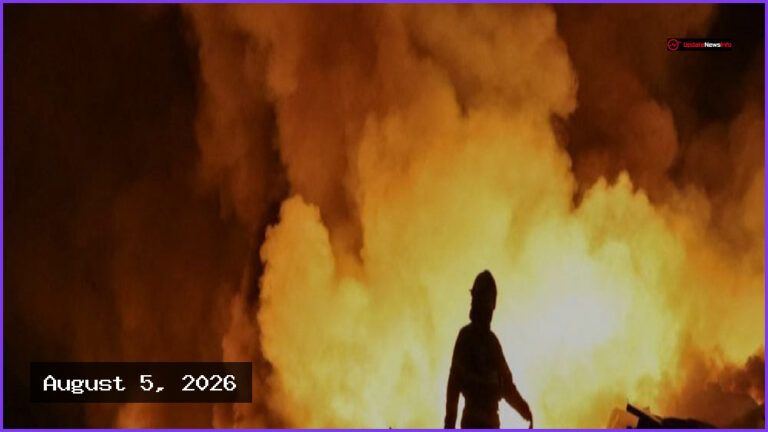
Iran also targeted Bahrain and Kuwait early Friday. In Kuwait, authorities reported that an attack on a power and water desalination plant caused widespread damage to the facility. Approximately 90% of Kuwait’s drinking water is sourced from desalination. Kuwaiti officials stated they had extinguished the resulting blaze and were working to assess the damage and restore the station to operation.
Jordan’s military announced it had intercepted three incoming missiles launched by Iran on Friday morning. Explosions were also heard Friday morning in Irbil and Sulaymaniyah in northern Iraq’s semiautonomous Kurdish region, as air defenses engaged incoming fire. This attack reportedly targeted the Iranian Kurdish dissident group Komala, killing at least nine people and wounding others, according to an official who spoke anonymously for security reasons. Iran did not immediately claim responsibility for this attack but has targeted Komala in the past.
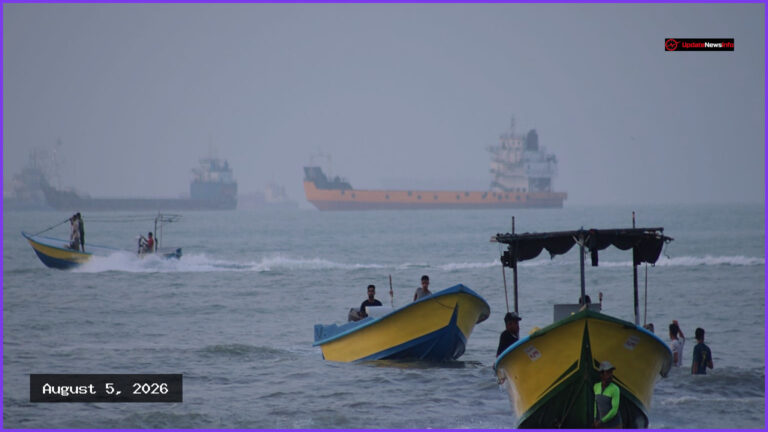
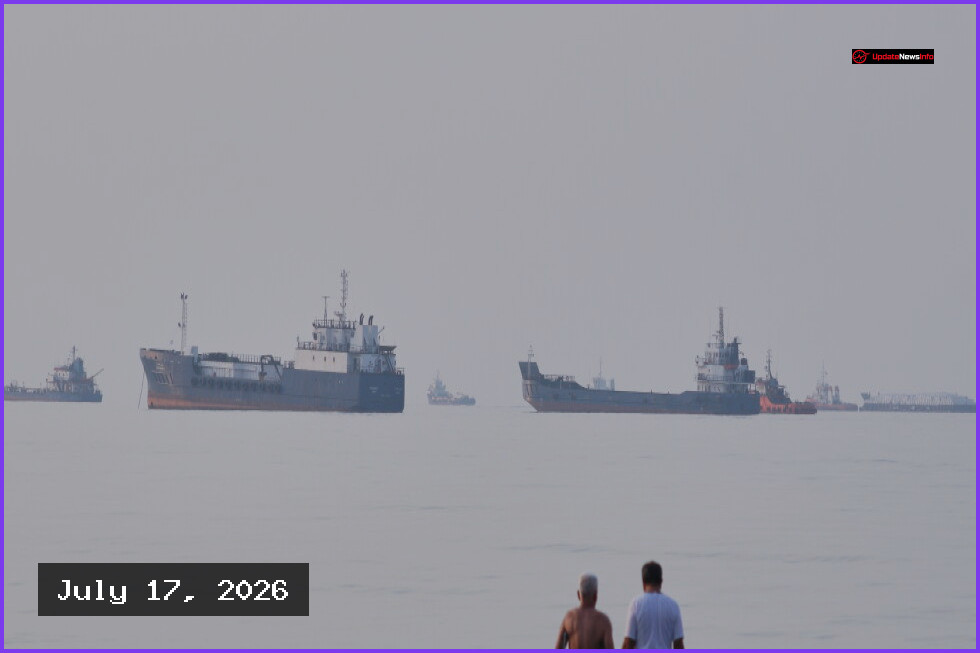
Separately on Friday, a tanker traveling through the Strait of Hormuz, using the route closest to Oman, came under attack, as reported by the British military. The United Kingdom Maritime Trade Operations center indicated the ship sustained minor damage, with no crew members injured. Iran did not immediately acknowledge this attack, though it has openly targeted ships using this route in recent days, a route overseen by the U.S. military and intended to be outside Tehran’s control.
Since the U.S. and Israel launched the war on Iran on February 28, Tehran effectively closed the strait to shipping traffic, a move that caused oil prices to soar and gave Iran significant leverage in negotiations. Crossings through the strait have fallen to a three-week low, according to an international shipping tracker, with the price of oil rising above $86 a barrel on Friday, nearing its highest level in a month. MarineTraffic.com reported only eight vessels crossed the strait on Thursday, with seven using an Iran-operated route and none using the route closest to Oman. While a growing amount of the region’s energy is now shipped via pipelines, it is not nearly enough to offset the decline in shipping through the strait, which once carried about a fifth of all oil and natural gas traded in peacetime.
In an address to the American public on Thursday, President Trump maintained that the war was progressing favorably. “We are likewise winning big in Iran, and you will see the fruits of that labor very, very shortly,” he stated. Before the war began, the U.S. had been engaged in talks with Iran regarding its nuclear program. Trump now faces political pressure to conclude the conflict and avoid the kind of prolonged Middle East engagement he had campaigned against.