International aid agencies have raised the alarm after reports emerged that more than 500 people are feared dead following the capsizing of two boats in the Bay of Bengal. The vessels were carrying members of Myanmar’s persecuted Rohingya minority, according to a joint statement released Thursday by the International Organization for Migration (IOM) and the United Nations High Commissioner for Refugees (UNHCR).
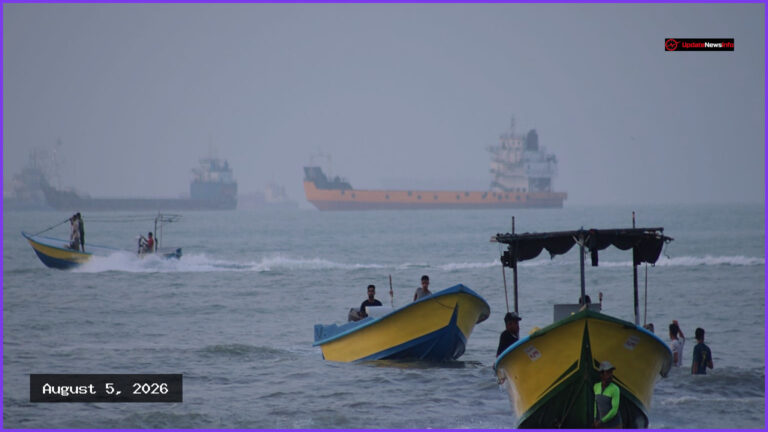
Preliminary reports suggest the two boats departed from Myanmar’s western Rakhine state in late June. The passengers included individuals who had traveled from overcrowded refugee camps located across the border in Bangladesh. One of the vessels, believed to be carrying approximately 250 people, lost contact shortly after its departure. A second boat, which was reportedly carrying 280 people, is believed to have sunk off the coast of Myanmar’s Ayeyarwady region on July 8.
While the IOM and UNHCR stated that the specific casualty figures and the exact circumstances of the incidents have yet to be officially confirmed, they expressed grave concern over the potentially devastating loss of life. Attempts to reach Myanmar officials for comment were largely unsuccessful. Acting police Brig. Gen. Soe Lin Aung, the spokesperson for the Ministry of Home Affairs, declined to comment, while spokespeople for the president and the Ayeyarwady regional government did not respond to requests for information.
The Rohingya typically avoid such maritime journeys during this time of year due to the high frequency of monsoons and dangerous sea conditions. However, the UN agencies noted that recent torrential rains and widespread flooding across the region would have made these specific journeys exceptionally risky. Currently, about 1.2 million stateless, predominantly Muslim Rohingya remain trapped in squalid, overcrowded refugee camps in Bangladesh after fleeing waves of violence by Myanmar’s security forces.
The refugees face a desperate situation, as they have no safe path to return to Myanmar. The military, which the United States declared responsible for genocide against the Rohingya in 2017, remains in power. Those who remain in Myanmar face severe restrictions and are often confined to internment camps. Furthermore, recent steep cuts to foreign aid from the U.S. and other nations have led to reduced food rations in the Bangladesh camps, while ongoing fighting between the ruling military and an ethnic armed organization in Rakhine has further destabilized the region.
These factors have driven an increasing number of Rohingya to attempt the perilous ocean crossing to Malaysia on rickety boats. Thousands have perished during these journeys, including infants, children, and pregnant women, often while local maritime authorities ignore distress reports or abandon them at sea. The UNHCR noted that 2025 has become the deadliest year on record for Rohingya attempting to flee by boat, with over 6,500 people fleeing and nearly 900 reported dead or missing. This route currently holds the highest mortality rate of any major refugee and migrant sea journey in the world.
In response to the tragedy, the IOM and UNHCR are calling for urgent regional and international action. The agencies emphasized that stronger efforts are required to prevent further loss of life, including enhanced search and rescue operations, improved access to asylum and protection, and decisive actions against the smuggling and trafficking networks that facilitate these dangerous crossings.