With the rising cost of petrol and flight tickets, many people in Germany are opting to travel by train for a summer staycation. It is a good time to travel by rail in the country, as sitting back and watching the views out the window on a calm train ride is the perfect start to a holiday. Beyond the relaxing experience, there is a clear financial incentive to choose the tracks over the road or the sky. During the summer holiday weeks across German states, which span from late June to mid-September, up to five people can travel to and from their holiday destination on long-distance trains for a total of €99.99, provided that at least one child is travelling in the group. Deutsche Bahn has calculated that a journey by car from Hamburg to Munich currently costs over €200, which is more than twice as much as this family holiday ticket.
For those looking to use local transport, the humble Deutschlandticket remains a popular option. Costing €63 per month, it allows people in Germany to use all local transport networks. While the pass is not valid for travel on high-speed trains such as ICE, IC, or EC services, it remains a viable way to get around the country using the regional train network or for travel once you arrive at your destination. Germany offers a mix of breathtaking scenery, from mountains to freshwater lakes, alongside cities packed with culture and history, making it an ideal place to explore this summer.
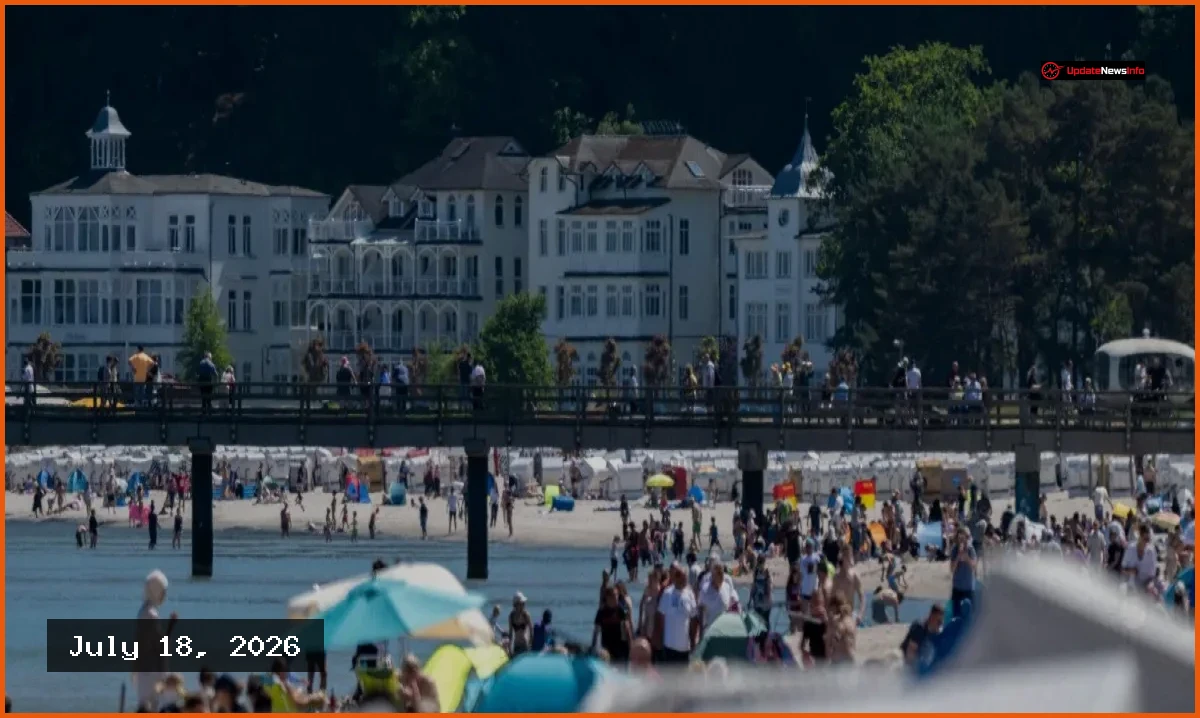
The island of Rügen is a diverse destination featuring a mix of Baltic Sea beaches, cliffs, forests, and historic seaside resorts. Visitors can explore the famous chalk cliffs in Jasmund National Park or relax in towns like Binz, Sellin, and Göhren, which are known for their charming architecture and promenades. Once on the island, you can get around by bike or take a ride on the Rasender Roland, the historic steam-powered narrow-gauge railway. Rügen is easy to reach by train via Bergen auf Rügen station or directly to Binz. There are regular ICE and IC connections from cities including Berlin and Hamburg, with some seasonal services running directly onto the island without changes. The journey across the Stralsund-Rügen causeway is considered one of the scenic highlights of the trip, and regional trains and buses connect the main towns and beaches once you arrive.
Trier, considered Germany's oldest city, lies right on the Moselle river. Roman monuments such as the Porta Nigra, the Imperial Baths, and the Amphitheatre are UNESCO World Heritage Sites that are well worth exploring. The Old Town is easy to navigate on foot, with plenty of cafes and wine bars to enjoy. The surrounding landscape is a major draw for rail travellers, as the route from Koblenz to Trier is widely considered one of Germany’s most scenic train journeys, following the Moselle through vineyards, riverside villages, and steep valley slopes. From Koblenz, regional trains run regularly through the Moselle Valley, while IC and RE services also connect Trier directly with cities including Cologne, Luxembourg, and Mannheim.
The eastern German city of Weimar is a highlight for anyone who loves culture and history. The city, which was once home to Goethe, Schiller, and Bauhaus founder Walter Gropius, provides a blend of classicism and modernism that gives it a special charm. Museums, theatres, and green spaces like the Park an der Ilm are all great for visiting whether it is a long weekend or part of a wider tour of the area. Weimar sits on the rail line between Erfurt and Leipzig, with both ICE and regional train connections from cities including Berlin, Frankfurt, and Dresden. Depending on the route, some ICE journeys may require a change in Erfurt or Leipzig.
Located close to the Austrian border, Mittenwald is an ideal destination for anyone who enjoys spending time in the mountains. The town is known for its painted houses, long tradition of violin making, and impressive Alpine scenery. It is also a great base for outdoor activities such as hiking, biking, and cross-country skiing in winter. Those who prefer a more leisurely pace can stroll through the historic town centre or take the Karwendelbahn up nearly 2,300 metres for views over the Isar Valley. The rail route from Munich via Garmisch-Partenkirchen to Mittenwald is regarded as one of Germany’s most scenic journeys. Regional trains run several times a day directly to the town centre, passing lakes, forests, and mountain scenery along the way. The line also continues onward to Innsbruck, making it easy to combine with a trip to Austria.
Finally, Sylt is one of the country's best-known holiday destinations and a favourite of Germany's rich and famous. Anyone heading there should make time to try local specialities, from fresh Fischbrötchen by the harbour to fine dining restaurants. From Hamburg, regular Regional-Express services run directly to Westerland without transfers. The journey takes around three hours, with the final stretch across the Hindenburgdamm railway causeway offering spectacular North Sea views.
READ ALSO: The major airlines in Germany cancelling flights and adding extra charges
READ ALSO: Germany ranked among the best places to live in the world in 2026